


Ever stopped to calculate the true cost of the “disposable” boxes and pallets leaving the warehouse? While single-use packaging might seem like a convenient line item, it often masks a cycle of recurring expenses, mounting waste, and missed operational efficiencies.
Moving through 2026, a structural shift is occurring in global logistics. The returnable packaging market, once a niche sustainability initiative, has evolved into a mainstream powerhouse of cost optimization. Estimated at approximately USD 128.91 billion in 2025, this sector is projected to surge toward USD 206.18 billion by 2033, growing at a steady compound annual growth rate (CAGR) of 6.5% from 2025 to 2033.
What is Driving the Returnable Packaging Market Growth?
The transition to reusable transport packaging (RTP) isn’t just about “being green.” It is a strategic response to a volatile global economy. Several key factors are accelerating the adoption of returnable systems:
1. The Circular Economy & Regulatory Pressure
Governments worldwide are tightening the noose on single-use plastics. From the EU’s Packaging and Packaging Waste Regulation (PPWR) to strict waste management mandates in North America, companies are now legally incentivized to adopt closed-loop packaging systems. By moving to returnable assets, businesses can sidestep rising disposal taxes and meet ambitious ESG (Environmental, Social, and Governance) targets. During late 2025 and early 2026, DS Smith shifted its R&D focus toward “Compact & Connected” packaging. Their latest designs for 2026 allow for 25% more packs per pallet, directly helping retailers meet new legislative carbon-reduction targets.
2. E-commerce and Automated Warehousing
The explosion of e-commerce has led to a massive increase in “internal” logistics. Within automated fulfillment centers, standardized returnable plastic crates and pallets are essential. They provide the dimensional consistency that robotic arms and high-speed conveyors require, reducing the risk of system jams caused by crushed or irregular corrugated boxes. For instance, on February 03, 2025, ORBIS opened a massive 660,000 sq. ft. state-of-the-art manufacturing and warehouse facility in Greenville, Texas, dedicated entirely to reusable totes and pallets to meet the surging demand in the Southern U.S. and Mexico.
3. Economic Resilience and ROI
While the initial capital expenditure (CAPEX) for returnable containers is higher than single-use alternatives, the cost-per-trip is significantly lower. Durable materials like High-Density Polyethylene (HDPE) and metal can withstand over 50 to 100 cycles. Over the lifespan of the asset, businesses often see a reduction in total packaging spend by 40% or more.
Key Market Trends to Watch in 2026
The market is no longer just about “sturdier boxes.” Innovation is turning packaging into a data-driven asset.
The Rise of “Smart” Packaging
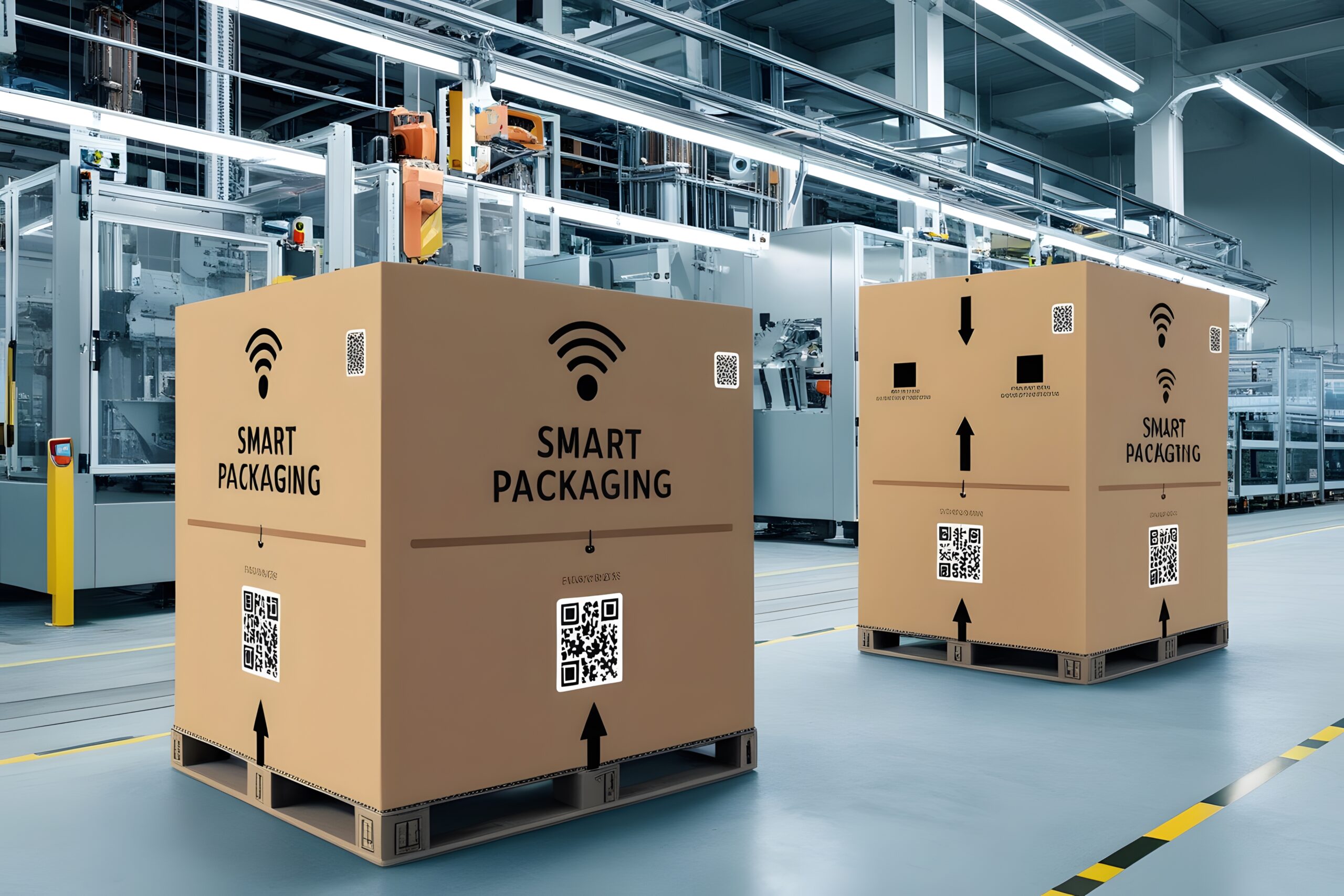
The integration of IoT and RFID has revolutionized returnable packaging by eliminating asset loss through real-time visibility. Modern systems utilize GPS-enabled tags and BLE gateways to monitor crate location, temperature, and impact history, providing full supply chain transparency. A major milestone occurred on November 12, 2025, with the launch of IFCO Digital. This “Tracking-as-a-Service” model employs plug-and-play BLE and GPS trackers directly on crates, removing the need for costly warehouse infrastructure. By offering insights into hygiene and location without customer-side investment, these advancements transform traditional “black holes” into data-driven, highly efficient logistics networks.
Growth in Asset Pooling and Leasing
The “Packaging as a Service” (PaaS) model, championed by asset-pooling leaders like IFCO, has democratized sustainable logistics by handling the cleaning and maintenance of returnables. This shift allows smaller firms to bypass the complexities of reverse logistics entirely. On February 19, 2026, Brambles (CHEP) advanced this trend by announcing the success of its “Effortless Service Offer.” Leveraging AI and its “Serialization” program, CHEP has automated pallet reconciliation, effectively ending the need for manual audits and declarations. By removing this significant administrative friction, the model enables even the smallest companies to adopt high-efficiency pooled assets without a heavy operational burden.
Material Innovation: Beyond Basic Plastic
While plastic remains the dominant material due to its weight-to-strength ratio, 2026 is seeing a rise in recycled composites and metal hybrids. Aluminum pallets are gaining traction in heavy-duty industries like automotive and aerospace, while food-grade, antimicrobial plastics are becoming the standard for the healthcare and pharmaceutical sectors. On March 31, 2025, Tetra Pak & Schoeller Allibert partnered to launch a new line of transport crates made from PolyAl, a material recovered from recycled beverage cartons. This marks a major step in upcycling complex waste streams into durable logistics assets.
The Benefits: Why Switch Now?
- Superior Product Protection: Returnable containers are engineered for impact resistance. This leads to a measurable decrease in “damaged in transit” claims compared to single-use cardboard.
- Operational Efficiency: Standardized sizes allow for better “stackability” and cube utilization in trucks. Fewer trips mean lower fuel costs and a smaller carbon footprint.
- Enhanced Brand Reputation: Modern consumers are hyper-aware of packaging waste. Using returnable systems demonstrates a tangible commitment to the circular economy, which can be a powerful marketing differentiator.
- For Instance: Schoeller Allibert confirmed they have already surpassed their goal of using 35% recycled plastic across their entire product range, with some manufacturing sites hitting nearly 50% recycled content in early 2026.
Challenges to Overcome
It’s not all smooth sailing. The primary hurdles remain reverse logistics and the complexity of managing the “return trip.” However, with the 2026 advancements in AI-driven route optimization, the cost of bringing empty containers back is being minimized through “backhauling” strategies, filling return trucks with empty assets to ensure no mile is wasted.
Final Thoughts: The Future is Circular The returnable packaging market is no longer a futuristic concept; it is a prerequisite for a resilient, 21st-century supply chain. As technology lowers the barriers to tracking and logistics, the “take-make-waste” model is being retired in favor of systems that treat packaging as a long-term investment rather than a disposable cost.