



- Custom packaging is enhancing protection, customer engagement, and premium unboxing experiences.
- In healthcare, tailored packaging improves safety, regulatory compliance, and patient satisfaction with features like tamper-evidence and traceability.
- Advanced custom packaging supports cold-chain integrity for biologics and personalized medicine, reducing risk and strengthening supply chains.
Once, brands used to compete mainly on product features. Today, they also compete on the moment a customer first touches the box because the first impression counts. Custom packaging is that first handshake. It protects, educates, and sells, all before a product is unwrapped.
Although it may involve higher upfront costs than off-the-shelf options, custom packaging is positioned as a strategic investment that can strengthen brand recognition and encourage repeat purchases through a more engaging and premium unboxing experience.
Apart from all these, it becomes a necessity in healthcare. Drug packaging is tailored product packaging designed specifically to match a brand’s product requirements and visual identity, rather than using standard, generic boxes. It goes beyond protection by helping businesses communicate their brand values, create a strong first impression, and enhance the overall customer experience. The global custom packaging market stood at $37.89 billion in 2024, and the healthcare end-use segment is expected to grow at the fastest CAGR of 5.7% from 2025 to 2033.
Benefits of Custom Packaging in Healthcare
- Reduced Operational and Logistics Costs: Product-specific packaging cuts down freight volume, lowers waste, and minimizes damage claims. Tailored designs reduce the need for excess protective materials, which lowers the total cost of ownership (TCO) for manufacturers and distributors. According to estimates, optimized pharma packaging can reduce costs by 7-9%.
- Higher Patient Satisfaction: Patient experience is now a brand metric in pharma and smart medical device markets. Packaging that emphasizes personalization and digital engagement increases satisfaction, boosts adherence rates, and differentiates brands in crowded categories.
- Enhanced Safety: Features such as tamper-evident seals, RFID authentication, and serialization help prevent counterfeiting. These are a major risk in global pharma supply chains. Reducing counterfeits improves patient safety and protects brand reputation, which can otherwise cost billions in lost trust and liability risks.
- Sustainability and Regulatory Alignment: Eco-designed solutions, recyclable materials, or minimalist formats address both environmental goals and compliance. Sustainable packaging reduces the environmental footprint of healthcare products and meets institutional procurement mandates.
Why Custom Packaging is Essential in Healthcare
- Regulatory Compliance and Traceability: Pharmaceutical regulations, such as serialization requirements under EU FMD and U.S. DSCSA, mean packaging must support unique identification and track-and-trace functionality. Smart packaging elements now help brands meet these obligations while reducing recall risks. Generic packaging simply doesn’t meet these sophisticated regulatory needs anymore.
- Rise of Personalized Medicine: Personalized and targeted therapies, including gene therapies and niche oncology drugs, require packaging that matches product specificity, dosing profiles, and administration workflows. For instance, personalized blister packs with patient instructions are becoming common for small population therapies.
- Cold-Chain Integrity for Biologics: With biologics and mRNA-based treatments constituting a growing share of the pharma pipeline, maintaining temperature sensitivity has become mission-critical. Custom cold chain packaging with advanced internal materials and smart monitoring ensures products arrive intact from manufacturing to administration.
- Patient Safety and Medication Adherence: Pharmapackaging is required to be intuitive, include clear labeling, and incorporate tamper-evident features. Patient errors or improper opening of devices directly impact outcomes and costs. This is especially true for pediatric and geriatric populations, where usability directly ties to health results.
How Healthcare Players Are Applying Custom Packaging Today
Pharmaceutical companies are accelerating clinical trials globally. It leads to an uptick in bespoke packaging kits that ensure regulatory compliance and patient safety. These include patient-specific blister cards, multi-component dosing kits, and sterile trays with individualized supports for devices. This level of customization reduces clinical errors and improves trial data integrity. Innovative packaging designs now often integrate digital features, such as QR codes and NFC tags for patient guidance or tracking trial materials.
Medical devices such as catheters, surgical trays, and diagnostic kits require sterile barrier systems (SBS), critical and engineered packaging that maintains sterility until the point of use. Recent trends highlight multi-layer films and advanced sealing techniques that provide better microbial protection while being easier to open for clinicians.
Moreover, since healthcare is shifting toward patient serviced environments such as telehealth follow-ups and at-home testing, custom packaging for these formats includes clear step-by-step printed instructions, tamper-evident seals, and size-optimized compartments to minimize waste and errors.
The Bottom Line
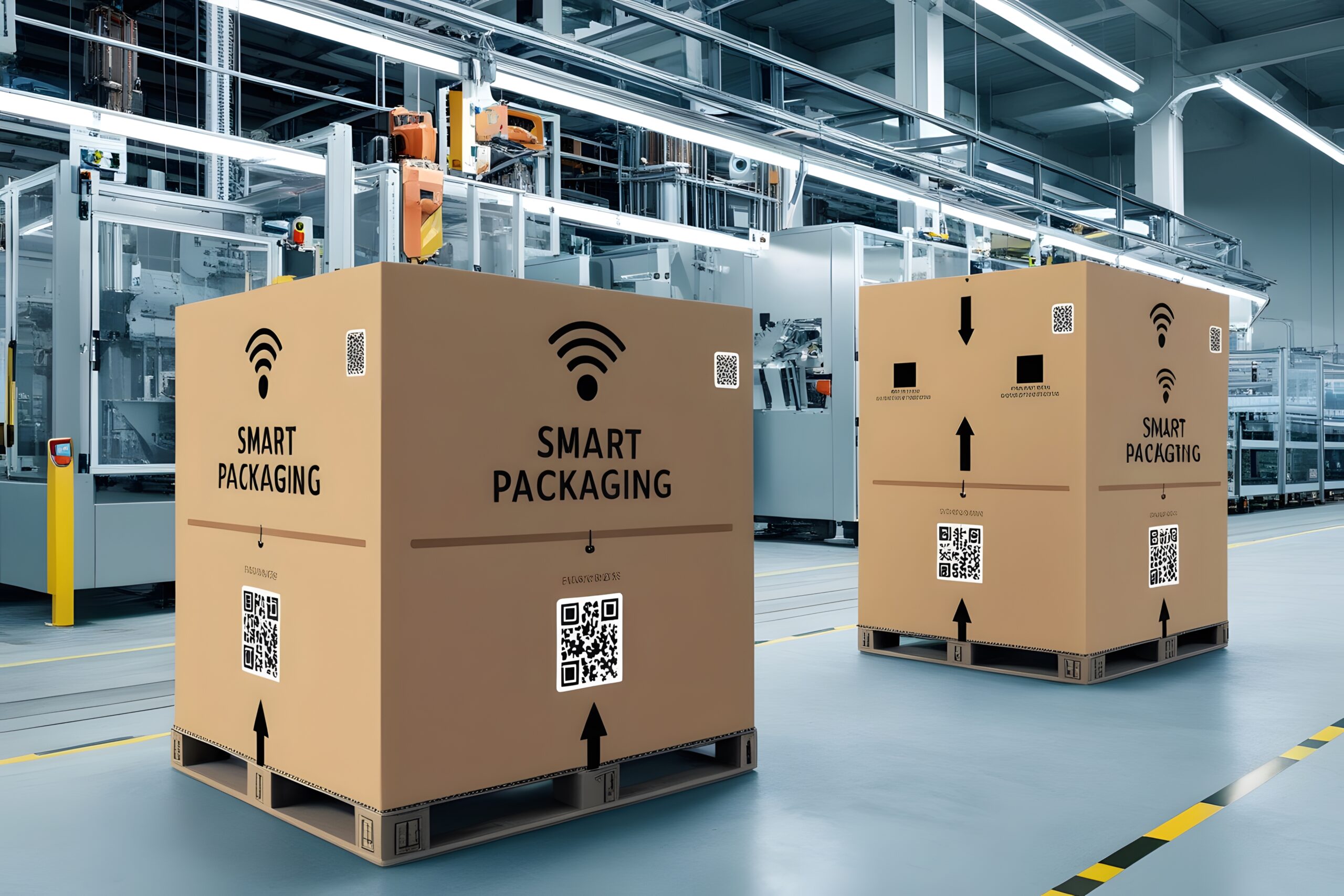
Custom packaging raises margins, shrinks risk, and unlocks new revenue pathways. With embedded sensors, temperature and humidity monitors, RFID and QR code systems, companies are enabling real-time condition monitoring and authentication. These are critical for high-value biologics, vaccines, and cold-chain products. These innovations not only ensure safety but also strengthen the supply chain as a competitive differentiator.