




Key Highlights
- SPF is becoming a daily skincare habit in the UK, not just a seasonal purchase.
- 70% of UK consumers plan sun care purchases in advance.
- Ingredient transparency and proven efficacy matter more than influencer marketing.
- Women prioritize skin health, while men increasingly view sun care as grooming.
- Vaseline leads brand awareness with a 52% share, but conversion and repeat purchase remain the key challenge.
Sun care in the UK is not just defined by holidays, summer weather, or short-lived heatwaves anymore. Consumers are increasingly incorporating SPF products into their everyday skincare routines with greater awareness and consistency, redefining how the category should be marketed, priced, and positioned.
However, many brands continue to treat sun care as a seasonal, reactive purchase category. In reality, today’s UK sun care product consumer behaves differently. These consumers, referred to as the Skin-Equity Seekers, are health-conscious and informed buyers who view sun protection as an essential part of their daily skincare regimen rather than an occasional summer necessity.
Before buying, they carefully evaluate product ingredients, seek proven efficacy, and prioritize transparency and product performance over advertising claims or brand-led messaging. Their purchasing decisions are increasingly intentional and research-driven.
Insights from Grand View Research’s Voice of Consumer highlight a broader structural transition from seasonal sun care consumption to long-term skin health investment. The findings reveal how consumer usage patterns, purchasing motivations, and brand expectations are evolving, and outline the implications for brands competing in the UK sun care market today.
The Everyday Skincare Routine
One of the clearest findings is that sun care usage in the UK is no longer limited to outdoor activities or peak summer periods.
“53% of UK consumers use sun care products at least once a week, while 23% apply them daily, multiple times a week, or several times throughout the day.”
This reflects a broader structural shift in how UK consumers approach sun care. SPF is increasingly being viewed as an essential part of daily skincare, alongside products such as moisturisers and cleansers, rather than something used only during holidays or periods of high sun exposure.
The most common usage occasion, reported by more than 40% of consumers, is applying sun care products throughout the day as needed. Morning application before leaving home is also becoming a more established routine.
This growing frequency and consistency of usage carry important implications for brands, particularly in areas such as pack sizing, product formats, and pricing strategies. Consumers using SPF daily are less likely to view small-format products with premium holiday-style pricing as practical or cost-effective for routine use.
Consumer Motivations Differ by Gender, But Brand Messaging Often Does Not
The data highlight a clear difference in the motivations driving sun care usage among men and women in the UK. For women, maintaining long-term skin health is the primary reason for using sun care products. Among men, personal grooming and hygiene emerge as the leading motivators.
These motivations are not entirely separate. Men also associate sun care with skin health benefits, while women consider grooming-related factors as part of their purchase decisions. However, the dominant motivation differs by gender, and this distinction is important when shaping brand communication and positioning strategies.
Despite these differing priorities, many brands continue to rely on broad, one-size-fits-all messaging. As consumer expectations become more nuanced, brands that tailor their communication to reflect these distinct motivations are likely to build stronger relevance and engagement across audience segments.
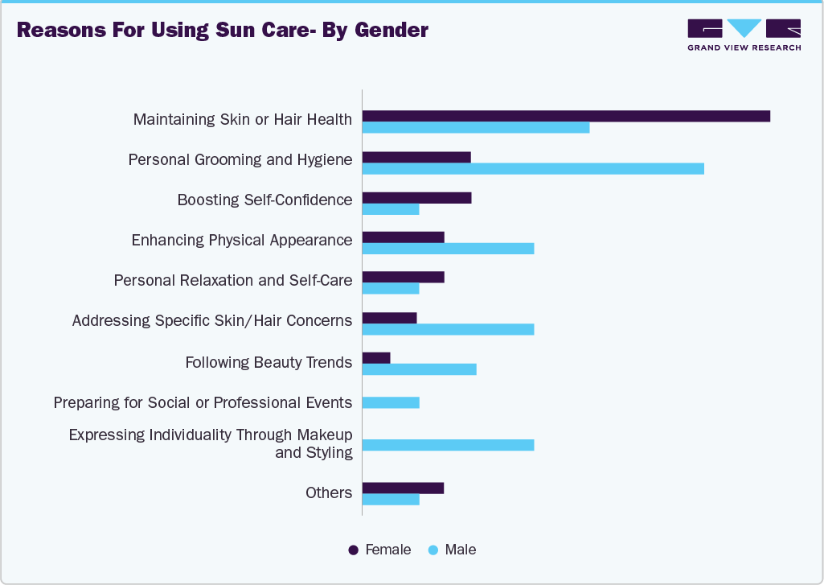
Most sun care communication in the UK targets female consumers, with messaging focused on skin protection and anti-ageing. Men remain underrepresented in both product development and brand communication. Consumers who view sun care as part of grooming and hygiene routines require different positioning and messaging.
Brands using audience-specific communication strategies instead of a single mass-market message are better positioned to increase penetration across both consumer groups.
Purchase Decisions Are Planned and Ingredient-Focused
The UK sun care products purchase journey is highly deliberate. Around 7 out of 10 consumers plan their sun care purchases in advance, while 55% say they always plan their purchases before entering a store or shopping online. In contrast, only 13% describe their purchases as spontaneous.
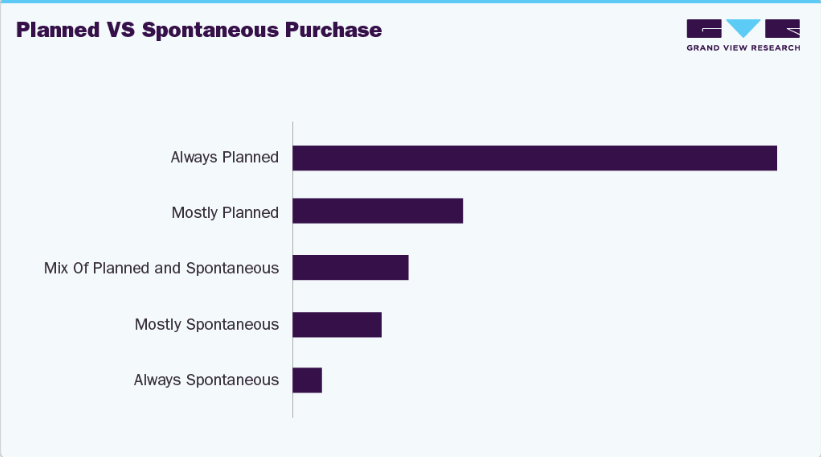
Sun care is a highly considered category in the UK. Consumers research products before purchasing, compare claims, review ingredient lists, and form preferences before reaching the shelf or product page. As a result, in-store promotions and point-of-sale activity have limited influence on consumers who have already decided what to buy.
According to GVR consumer insights, price and discounts are the leading purchase drivers, followed closely by ingredient quality and product safety. Celebrity endorsements, however, show a much weaker influence on actual purchase decisions. While influencer activity may support awareness, it does not consistently translate into conversion.
This highlights the importance of influencing consumers during the research stage rather than only at the point of sale. Ingredient transparency, SPF credentials, and formula efficacy need to be clearly communicated across web search, product pages, and editorial content before consumers begin shopping.
Brand Awareness Is High, but Conversion Remains the Key Challenge
Grand View Research’s Voice of Consumer data shows that awareness levels for major sun care brands in the UK are already high across the category. Vaseline leads brand awareness with a 52% share, while Nivea Sun, Soltan, Garnier Ambre Solaire, and Piz Buin also maintain strong consumer recognition.
High brand awareness does not necessarily translate into strong market performance. The more important insight lies in the transition from awareness to consideration, and from consideration to product trial.
Nivea Sun demonstrates strong repeat purchase behaviour, suggesting high consumer satisfaction after initial use. However, similar to most brands in the category, it still experiences a decline between awareness and consideration.
For challenger brands, this creates a significant opportunity. Competing on awareness alone is not essential. The greater advantage lies in improving conversion from consumer interest to first-time purchase.
Key Priorities Emerging in the UK Sun Care Products
- Price vs. Value: UK consumers increasingly expect proven efficacy, tested formulations, and transparent product claims rather than marketing-led promises.
- Daily SPF Usage: Sun care is shifting from a seasonal purchase to a year-round skincare habit, requiring brands to adapt portfolios, formats, and campaign strategies for consistent daily use.
- Ingredient Transparency: Clear, accessible, and easy-to-understand ingredient information is now a basic consumer expectation across the category.
- Men’s Sun Care Opportunity: Grooming-led usage among men is increasing, creating opportunities for products and messaging tailored specifically to male routines and preferences.
Daily Usage, Not Seasonal Peaks, Is Reshaping UK Sun Care
The UK sun care brands are witnessing a structural shift. Consumers are already using SPF more frequently, integrating it into daily routines, and making more informed purchase decisions. The challenge for brands is whether their products, pricing, and communication strategies are evolving at the same pace.
Today’s consumers do not need to be convinced about the importance of sun protection. Instead, they expect stronger product credibility, transparent formulations, practical formats for everyday use, and messaging that reflects their specific needs and motivations.
The GVR Voice of Consumer Insights on UK Sun Care Products offers detailed data into brand-level purchase funnel performance, NPS rankings, generational channel preferences, and usage behaviours across consumer segments. The findings offer a clearer view of where consumer expectations are shifting and which brands are best positioned to respond.