




Key Highlights
- 8 in 10 UK PC consumers plan their purchase in advance, with only 8% buying on impulse
- Price and affordability influence 58% of purchase decisions, while 52% buy to replace old devices
- PC replacement cycles extend to nearly a decade, increasing the value of each conversion
- AI capabilities are shifting from premium features to baseline expectations
- Purchase behavior differs by generation, with Millennials favoring online research and Gen X preferring in-store buying
The Shift Toward Deliberate Purchasing
The UK personal computer category is not declining. It is becoming more deliberate. Demand remains steady, but the purchase journey is longer, more considered, and increasingly selective. The challenge for brands is no longer awareness. It is a conversion.
A majority of UK consumers plan their PC purchases in advance. With only a small fraction buying on impulse, the category is defined by research-led decision-making. Consumers are evaluating options across comparison platforms, reviews, and content channels well before engaging with brands directly.
This shift fundamentally changes how brands must approach the category. Visibility at the point of sale is no longer sufficient. Consideration is built much earlier in the journey.
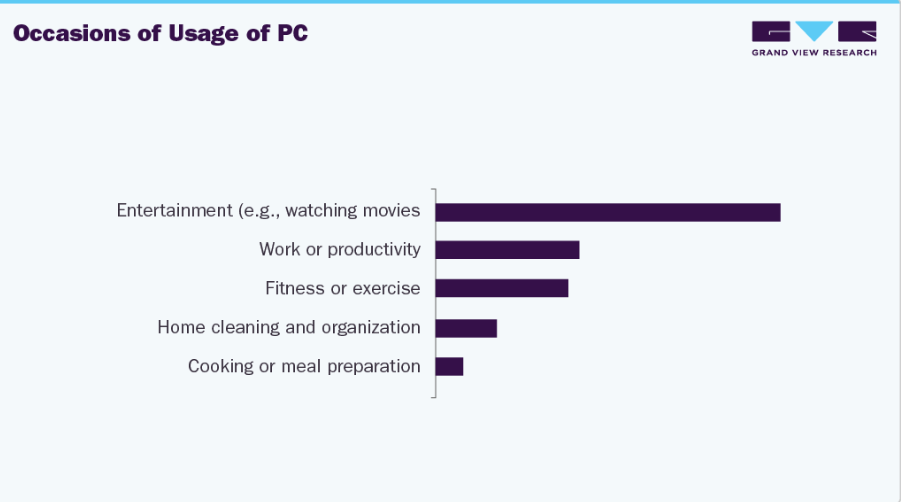
A Long Replacement Cycle Reshaping Strategy
UK consumers typically purchase a PC once every ten years. This extended replacement cycle elevates the importance of each transaction.
Unlike high-frequency categories, the PC segment does not benefit from repeated engagement or habitual purchasing. Each sale represents long-term value, while each missed opportunity extends beyond immediate revenue loss.
As a result, marketing strategies built on short-term conversion tactics or seasonal campaigns risk underperforming in a category where consumers spend significant time researching before committing.
Value-Led Decision Making Dominates
Price and affordability remain the most influential purchase drivers, cited by 58% of consumers. Additionally, 52% of buyers are motivated by the need to replace or upgrade an existing device.
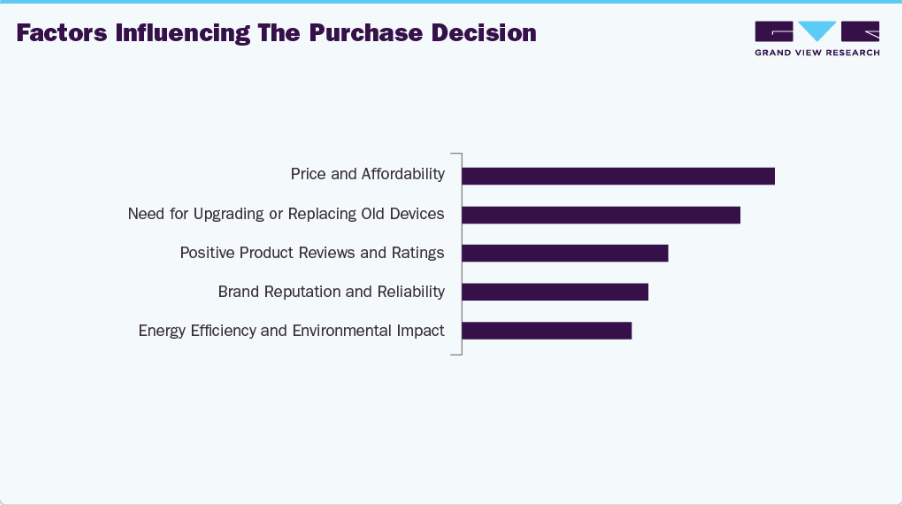
These factors highlight a pragmatic consumer mindset. UK PC buyers prioritize functionality and value over aspirational positioning. They are focused on securing the best possible performance within their budget constraints.
Rising living costs have further reinforced this behavior, with younger consumers increasingly opting for refurbished or used devices. The UK has emerged as a leading market for second-hand PC sales, reflecting a growing acceptance of alternative purchase options.
Grand View Research’s Voice of Consumer UK personal computer consumer insights highlight that brands without a strong value proposition or entry-level offerings risk losing relevance early in the consideration phase.
AI Becomes a Baseline Expectation
Artificial intelligence is increasingly shaping the PC category. Features such as adaptive performance, real-time language translation, enhanced security, and automation are transitioning from premium differentiators to expected capabilities.
This shift is particularly visible among business and education users, where performance efficiency and productivity enhancements are critical.
As AI adoption accelerates, brands without a clear integration strategy face the risk of competing primarily on price. The opportunity to position AI as a differentiator is narrowing, as consumer expectations continue to evolve.
Channel Preferences Reflect Generational Behavior
Purchase behavior varies significantly across age groups. Millennials primarily rely on online channels, comparing prices, reading reviews, and consuming digital content before making a decision. In contrast, Gen X consumers prefer in-store experiences, valuing physical interaction with products and immediate purchase.
These behaviors are not transitional. They represent established patterns that are likely to persist in future purchase cycles.
A dual-channel strategy that supports both digital research and physical retail engagement is essential to capture demand across segments.
Product reviews also play a critical role, influencing 39% of purchase decisions. In a research-driven category, review ecosystems directly impact conversion outcomes.
Competitive Landscape and Brand Positioning
HP leads brand awareness in the UK PC category, with strong performance across the purchase funnel and the highest Net Promoter Score among measured brands. Dell, Apple MacBook, Lenovo, and ASUS follow, each occupying distinct positions within the category.
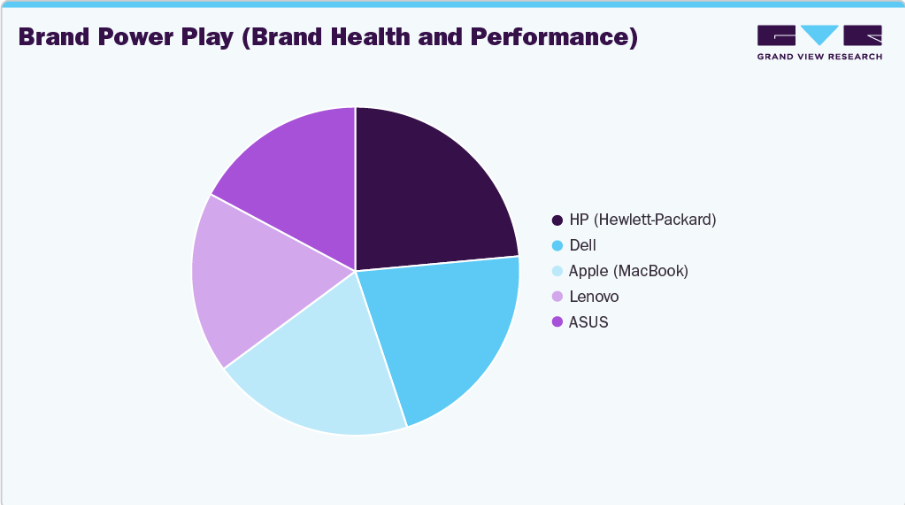
Dell is associated with enterprise reliability and build quality. Lenovo is recognized for value in business and education segments. ASUS holds a strong position in gaming and innovation. Apple maintains a premium positioning supported by ecosystem loyalty.
Despite high awareness levels, brands face significant drop-offs during the consideration phase. In a category defined by extended research cycles, unclear or overlapping positioning can weaken conversion.
The Cost of Strategic Inaction
The UK PC category rewards informed consumers and challenges brands that fail to adapt. Without a clear value narrative, defined positioning, and alignment with evolving consumer expectations, brands risk losing relevance during the research phase itself.
Each missed opportunity extends beyond a single transaction, given the long replacement cycle. As consumer behavior continues to shift toward deliberate decision-making, the importance of early-stage engagement becomes increasingly critical.
The data indicates a structural change in how PCs are purchased, requiring brands to rethink how they approach visibility, value communication, and channel strategy.