



Key Highlights
- A large share of U.S. consumers use cosmetics daily, yet most purchases happen only once a year or as needed
- Cosmetic products often last for months, leading to long replacement cycles and fewer purchase occasions
- Performance and product quality matter more than trend-driven appeal in decision-making
- Price influences timing, but trust and past experience drive repeat purchases
- High brand awareness exists, but conversion depends on perceived value and clarity
Cosmetics in the U.S. Are Now Part of Everyday Life
Cosmetics are not just reserved for occasional use. Across the U.S., they are embedded in daily routines, spanning work, social interactions, and personal care.
Insights from Grand View Research’s Voice of Consumer show that while usage is frequent, purchasing remains deliberate, value-conscious, and influenced by trust in product performance.
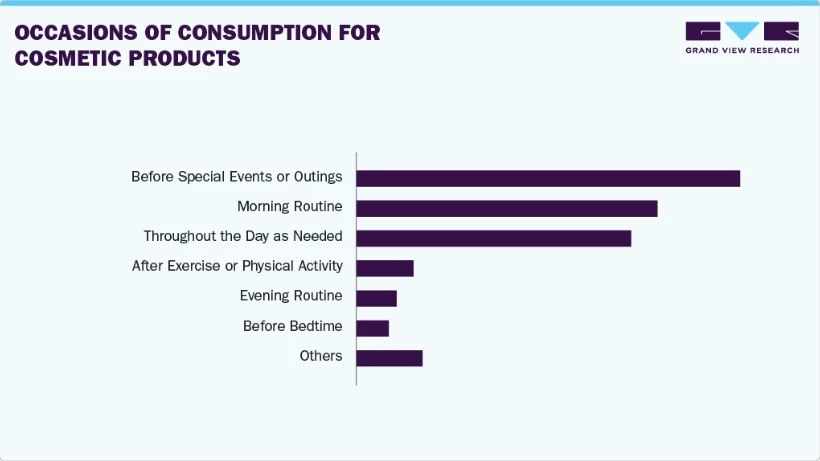
Cosmetic products are mostly used before special events and outings, as mentioned by about 5 out of 10 U.S. consumers.
High Usage, Low Purchase Frequency
A significant share of U.S. consumers use cosmetics every day. However, this does not translate into frequent buying. Most products are used in small quantities and last for several months or longer.
As a result, consumers typically purchase cosmetics once a year or only when required. This makes the first purchase experience and consistent product performance critical for brands aiming to retain customers.
Cosmetics are also rarely shared, reinforcing individual ownership and steady personal demand.
Confidence and Appearance Continue to Influence U.S. Cosmetics Demand
Consumers rely on cosmetics to enhance appearance and build confidence. For some, it supports professional presentation. For others, it enables personal identity and creativity.
At the same time, buying decisions are shaped by product credibility. When quality does not meet expectations or pricing feels unjustified, trust declines.
This creates a balance where aspiration must be supported by realistic and reliable product outcomes.
Planned Purchases Define Consumer Behavior
Cosmetic purchases are largely planned. Consumers research options, compare products, and evaluate pricing before making a decision.
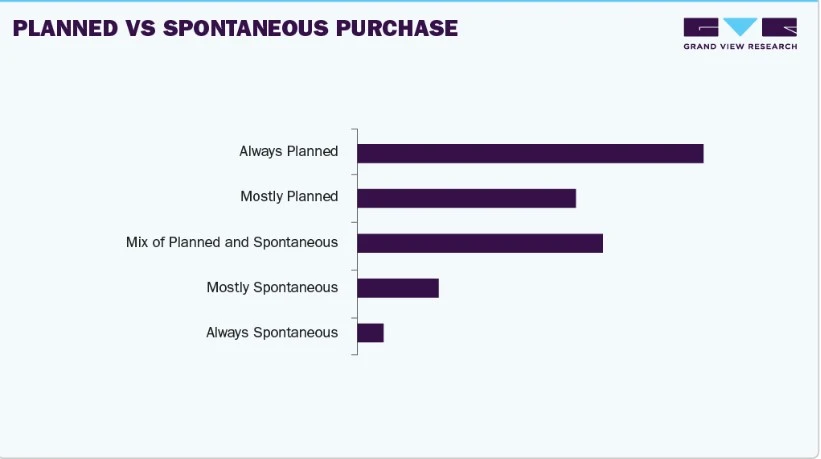
Because products last longer, repeat purchases are less frequent. This increases the importance of delivering a reliable experience that encourages consumers to return to the same brand.
Promotions Influence Timing, Not Loyalty
Discounts and promotional offers can encourage consumers to buy sooner. However, they do not create long-term loyalty.
Repeat purchases are driven by prior satisfaction and consistent product performance. Once trust is established, consumers are more likely to repurchase without hesitation.
Strong Awareness, Selective Conversion
The U.S. cosmetics market includes both legacy and emerging brands. Well-known names like Maybelline, L’Oréal Paris, Estée Lauder, Clinique, and Sephora Collection maintain strong awareness.
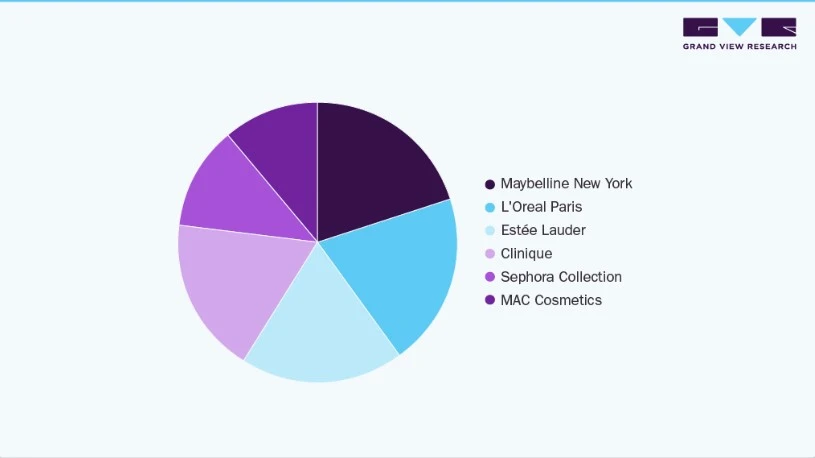
However, awareness alone does not guarantee purchase. Conversion improves when brands clearly communicate performance, maintain price-value alignment, and build confidence through transparency.
Younger consumers often discover products through digital platforms, but still expect clarity and reassurance before making a final decision.
What Shapes Cosmetic Preferences in the U.S.
- Performance and effectiveness outweigh trend-driven appeal
- Pricing must feel justified relative to quality and longevity
- Brand trust supports repeat purchases
- Ingredient awareness influences consideration
- Clear communication drives better engagement than complex messaging
What This Means for American Cosmetic Brands and Retailers
The U.S. cosmetics category is shaped by deliberate decision-making, long product lifecycles, and rising expectations around value.
Consumers look for products that fit seamlessly into daily routines, deliver consistent results, and justify their cost.
For brands, the focus needs to shift toward sustained relevance through performance clarity, transparent pricing, and trust-building.
Final Takeaway
The U.S. cosmetics category is shaped by deliberate purchase behavior, extended product lifecycles, and increasing expectations around value. Consumers prioritize products that integrate seamlessly into daily routines, deliver consistent performance, and justify their price. As a result, decision-making is becoming more credibility-driven, with reduced responsiveness to broad promotional noise.
For brands, this necessitates a shift from short-term attention strategies to building sustained relevance in the consideration set. Clear articulation of product performance, pricing transparency, and consistent trust signals will be critical to supporting long-term growth.
Assess what is sustaining repeat purchase and what is impacting long-term brand loyalty.