



Key Highlights
- 8 in 10 U.S. console users cite entertainment as their primary use case
- 15% of U.S. consumers now use consoles for fitness and movement-based experiences
- 71% of console buyers plan and research before purchasing, with an average five-year upgrade cycle
- 44% of purchases, even planned ones, are ultimately triggered by promotions or discounts
- Price remains the single largest barrier to console adoption across all three major brands
For over a decade, the battle for the living room has been intensifying, and the stakes have never been higher. Gaming in the United States has evolved far beyond mere entertainment into a deeply embedded lifestyle experience, reshaping how millions of Americans spend their time, money, and attention.
Yet the brands quietly dominating this space are no longer competing on hardware alone. They are architecting entire ecosystems of games, subscriptions, social communities, and increasingly, wellness experiences that turn a one-time purchase into a lifetime relationship.
A stubborn paradox persists beneath the growth narrative. Most U.S. consumers still do not use a gaming console daily. Penetration is lower than the industry suggests, price sensitivity is higher than brands admit, and the journey from awareness to purchase is riddled with friction points most brands have not fully mapped.
The brands that will dominate the next decade of gaming aren’t asking “How do we sell more consoles?” They are asking “How do we become indispensable to our consumers’ daily lives?”
Grand View Research’s Voice of Consumer Survey reveals exactly what U.S. gaming console consumers think, feel, and do, and what it means for every brand competing in this space.
The Console Is No Longer Just a Gaming Device
Gaming consoles today function as digital lifestyle infrastructure inside American homes. They shape how consumers engage with media, connect socially, and structure leisure time.
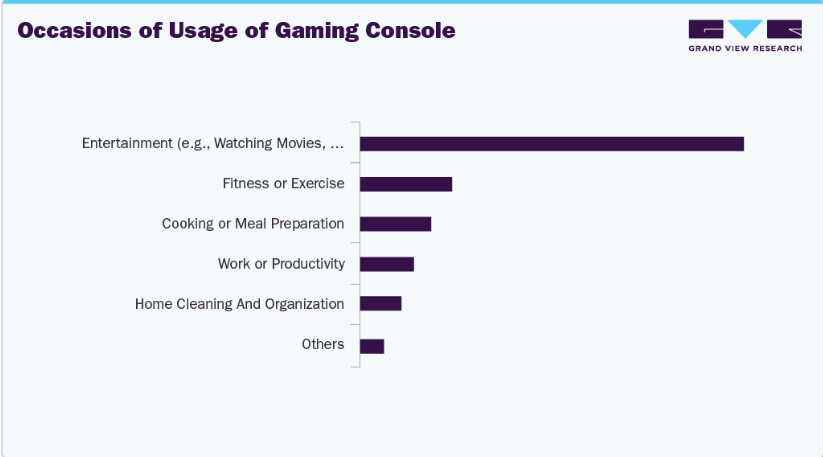
Entertainment remains the dominant use case, with roughly 8 in 10 users citing it as their primary reason for picking up a controller. But beneath that headline, a more telling shift is underway.
15% of U.S. consumers now turn to consoles for fitness and movement-based experiences. In a market of millions of households, even incremental behavioral shifts translate into meaningful strategic opportunities. Competing on graphics alone is no longer sufficient. The console is now an ecosystem blending entertainment, connectivity, and lifestyle utility.
What Drives Preference and Where Sentiment Breaks Down
Sentiment toward gaming consoles is anchored in three primary components:
- Entertainment enjoyment: Consoles provide escape, storytelling, and gameplay experiences that appeal across age groups.
- Social engagement: Gaming with others, coordinating through voice channels, or competing together make consoles extensions of social life and connection.
- Value expectation: High performance consoles are seen as investments, not impulse buys, especially given their cost and long lifespan.
However, price remains the single largest barrier. Consumers express hesitation not just about the upfront cost, but about paying for features they may not fully utilize ultra-high-resolution outputs on older televisions, premium subscription tiers, or higher storage configurations that feel unnecessary.
This hesitation is rational. Buyers want clarity. They want visible value. And they want reassurance that innovation translates into tangible everyday benefits.
Notably, 44% of purchases, even planned ones, are ultimately triggered by promotions or discounts. Emotion may spark interest, but visible value closes the deal.
What Actually Drives the U.S. Gaming Console Purchase
The U.S. console buyer is deliberate.
Approximately 71% of consumers plan and research before purchasing, with an average five-year upgrade cycle. Each buying decision becomes a high-stakes moment. Three criteria consistently lead the decision:
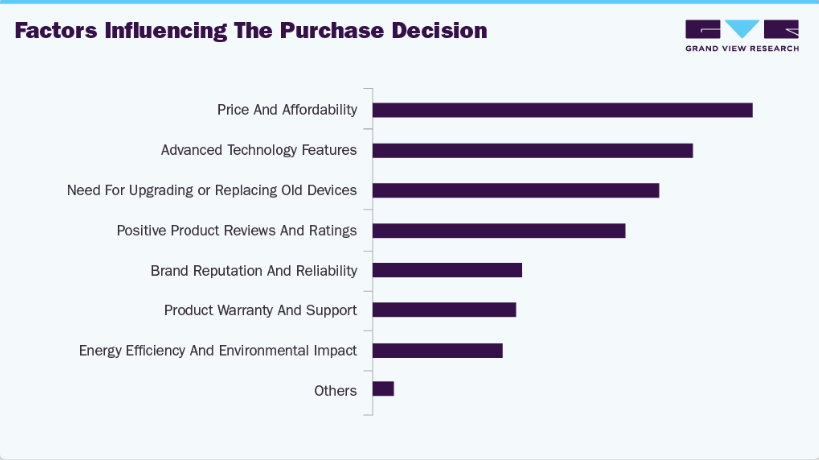
Performance and reliability rank first, not as technical specifications, but as trust signals. Value for money comes second, where lifetime utility matters more than sticker price. Technological innovation ranks third, but only when consumers can clearly perceive the difference in their daily experience.
Brands that communicate performance credibility and long-term value consistently outperform those focused on feature messaging alone.
Who Is Winning and Where the Cracks Are
Sony PlayStation leads in aided awareness, supported by exclusive titles and deep brand equity. Microsoft Xbox counters with strong ecosystem integration and subscription-driven value. Nintendo maintains distinctive loyalty and differentiated audience appeal.
Yet across all three, one pattern is consistent. Awareness does not guarantee conversion. The real competition is happening mid-funnel, where price justification, ecosystem value, and perceived reliability determine the outcome. The brands closing that gap are compounding their advantage quietly.
Where Consoles Are Bought and Why It Matters
E-commerce dominates overall, but brand-owned channels are gaining relevance, particularly among younger buyers seeking direct engagement, trade-in clarity, and post-purchase reassurance.
The consumer journey is increasingly multi-channel. Research begins on social platforms, comparison happens online, and the final purchase is often triggered by a single promotional moment.
Brands investing in direct-to-consumer infrastructure today are building tomorrow’s loyalty base.
What This Category Signals Moving Forward
Gaming consoles are firmly embedded in U.S. entertainment consumption and household leisure planning. As streaming services, cloud gaming, and integrated ecosystems expand, consoles continue evolving from hardware devices into central digital platforms.
Consumers are signaling clear expectations:
- Seamless performance
- Transparent value
- Social connectivity
- Innovation that enhances lived experience
Brands that focus exclusively on hardware risk commoditization. Brands that build ecosystems and communicate their value clearly build resilience. The console war may have defined the past. The ecosystem war will define the next decade.