

What if the difference between a life-saving medical intervention and a clinical error was just a few hours of immersive, digital training? In an era where medical knowledge doubles every 73 days, the traditional “see one, do one, teach one” model is no longer enough. The healthcare e-learning services market is not just growing; it is undergoing a radical digital transformation that is reshaping how physicians, nurses, and administrative staff stay at the cutting edge of care.
By 2026, the global market is projected to soar to approximately USD 24.45 billion, driven by a desperate need to bridge the global healthcare worker shortage and the rapid adoption of AI-driven tools.
The Current State of the Healthcare e-Learning Services Market
The demand for digital education in medicine has shifted from a “luxury” to a “necessity.” According to recent industry data, the broader e-learning market is expanding at a CAGR of over 14.50%, with healthcare standing out as one of its most vital segments.
The primary drivers for this surge include:
- Workforce Shortages: With an aging global population, the pressure to train new professionals quickly and efficiently has never been higher. On February 03, 2026, Coursera launched a new suite of Professional Certificates specifically for AI in healthcare (partnering with organizations like AI Certs). These courses focus on AI-powered diagnostics and nursing workflows, bridging the gap between tech literacy and bedside care.
- Regulatory Compliance: Healthcare is one of the most heavily regulated industries. E-learning platforms provide a scalable way to ensure staff are updated on the latest HIPAA, GDPR, and clinical safety protocols. Leading Healthcare Learning Management Systems (LMS) like Relias and HealthStream launched “Mobile-Native” compliance trackers in January 2026. These platforms now use AI auto-mapping to instantly update training modules whenever federal regulations (like HIPAA or OSHA) change, ensuring hospitals have “zero lapse” in compliance.
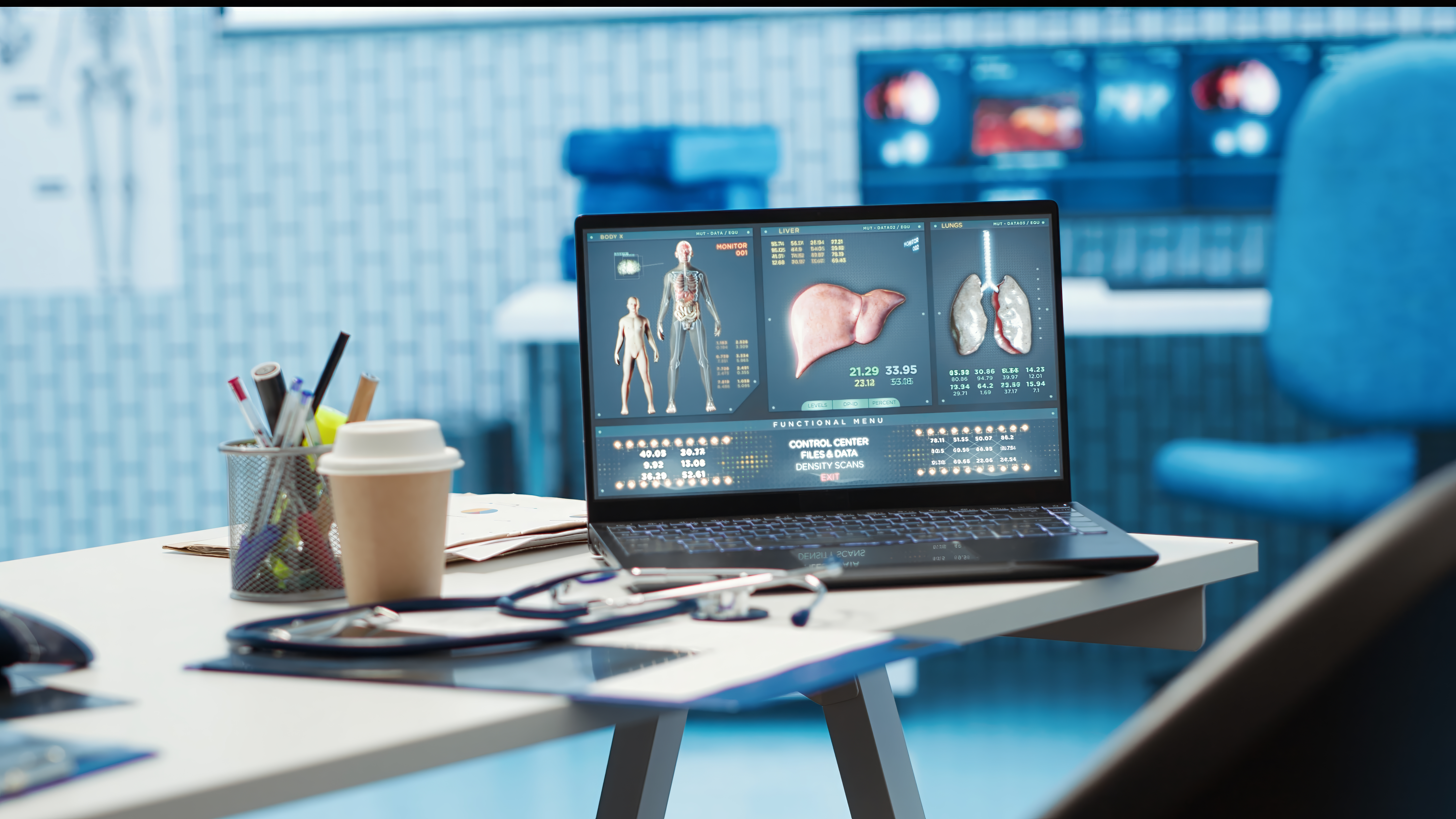
- Technological Literacy: As hospitals integrate “Ambient AI” and complex Electronic Health Record (EHR) systems, the need for continuous software training has skyrocketed. In late 2025, Elsevier fully integrated ClinicalKey AI into its student platforms. It allows medical students to ask complex, conversational questions during “point-of-care” simulations, helping them move from rote memorization to “thinking like a resident” by early 2026.
Top Market Trends Shaping 2026 and Beyond
The landscape of healthcare education is no longer confined to dry PDFs and monotonous webinars. Here are the trends defining the healthcare e-learning services market today:
1. AI-Powered Hyper-Personalization
Artificial Intelligence is the “engine” of modern medical education. AI algorithms now analyze a learner’s performance in real-time, identifying “knowledge gaps” and adjusting the curriculum on the fly. This prevents “cognitive overload” for experienced surgeons while providing extra foundational support for residents. On January 14, 2026, Docebo introduced new AI-based adaptive paths that automatically customize training for nurses and surgeons on a role-by-role basis, reducing “time-to-proficiency” by filtering out irrelevant data based on the user’s live performance metrics.
2. Immersive Simulations (VR and AR)
Virtual Reality (VR) and Augmented Reality (AR) have moved from gaming into the operating room. Surgeons can now practice complex procedures in a risk-free, 3D environment before ever touching a patient. These simulations increase decision-making accuracy and have been shown to improve knowledge retention by up to 26% compared to traditional methods. In a major move to solve the healthcare workforce training challenge, Relias acquired InceptionXR, a provider of assessment-based VR. This allows Relias to offer high-fidelity simulations where clinicians’ skills are assessed in real-time within a virtual environment.
3. Gamification for Engagement
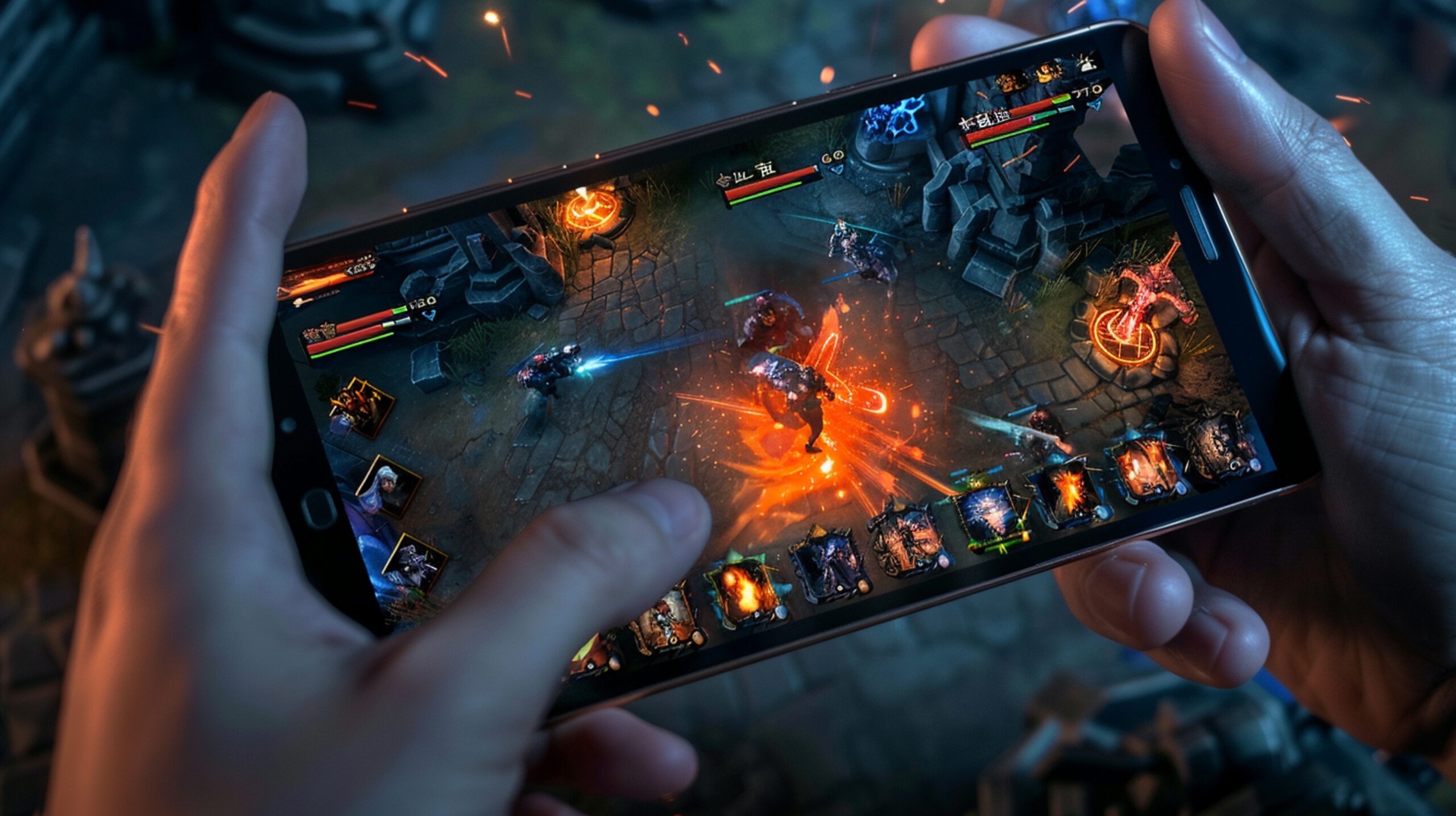
Who says medical compliance training has to be boring? By integrating leaderboards, badges, and narrative-driven branching scenarios, healthcare providers are seeing record-high completion rates. Gamification turns a mandatory task into an engaging challenge, fostering a culture of continuous improvement. In early 2026, Skillsoft updated its CAISY (Customer Assistant Intelligent Synergist) to use Generative AI for high-stakes roleplay. Healthcare staff now engage in “Micro Missions” where they must de-escalate emotional patient scenarios, with the AI adapting the difficulty based on the learner’s empathy levels.
4. Microlearning in the “Flow of Work”
To accommodate the high-pressure demands of hospital environments, microlearning provides clinicians with essential knowledge “in the flow of work” via 3-to-5-minute mobile modules. This strategy ensures information, from ventilator refreshers to protocol updates, is accessible at the point of need rather than in a classroom. Notably, HealthStream ’s acquisition of Virsys12 on October 8, 2025, enhanced this capability by integrating “Knowledge Nudges” directly into clinical workflows. These brief, automated prompts deliver credentialing and decision support tailored to the specific patient case a provider is viewing, effectively bridging the gap between education and real-time care
Why Healthcare e-Learning is Vital for ROI
Beyond clinical outcomes, there is a strong financial case for digital learning. Organizations that leverage advanced e-learning services report:
- 50% Higher Productivity: As reported by IBM, digital training tools significantly reduce the time spent away from patient care.
- Reduced Training Costs: Moving away from physical seminars eliminates travel, venue, and printed material expenses.
- Better Patient Outcomes: Higher retention of safety protocols directly correlates to a reduction in medical errors and hospital readmissions.
The Human-AI Synergy: A Glimpse into the Future
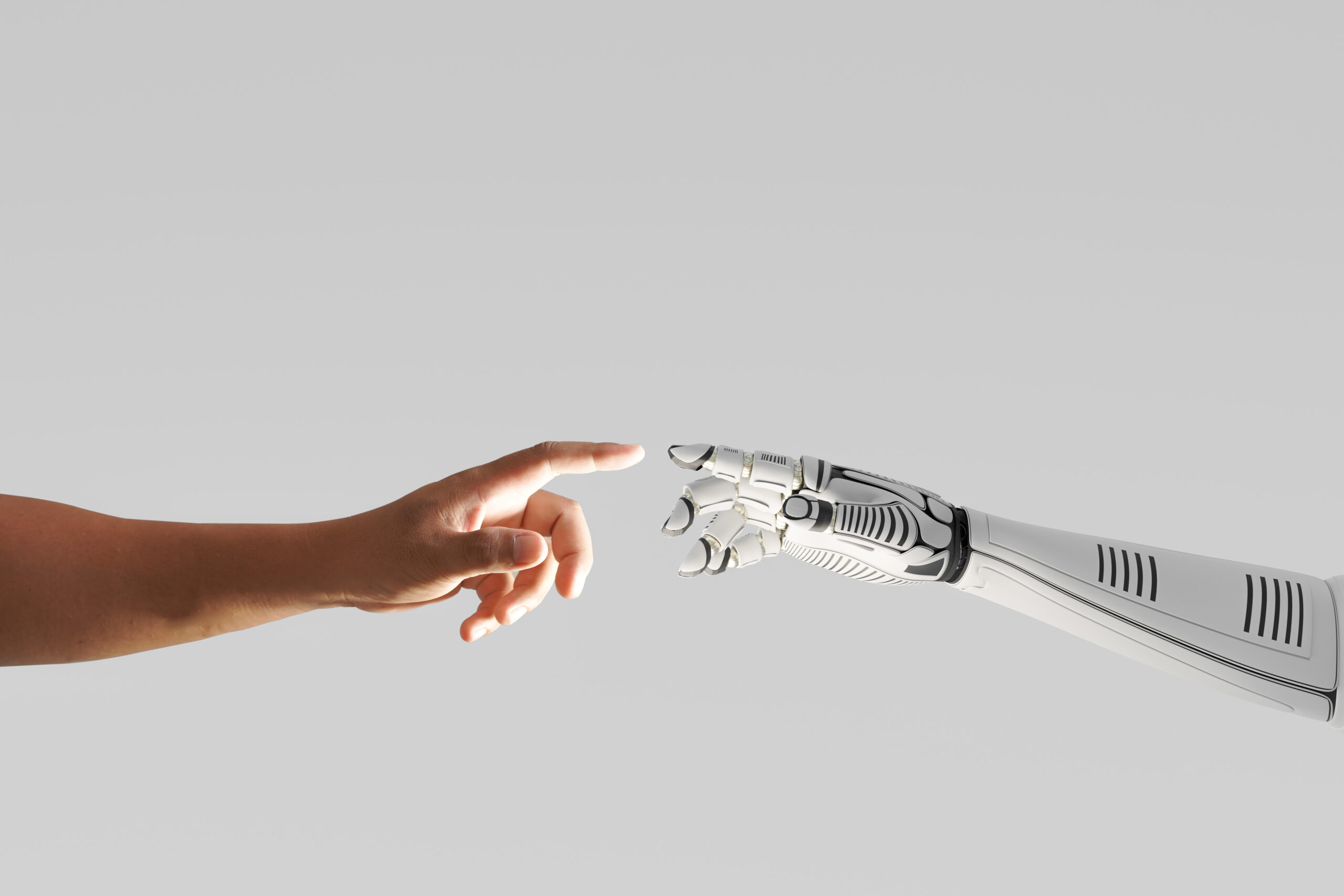
Looking towards the end of the decade, the focus is shifting toward a hybrid model. While AI handles the data and the “what” of learning, human connection remains the “why.” The most successful platforms in 2026 are those that combine technological autonomy with spaces for mentoring and social learning.
The market is no longer just about delivering content; it’s about building a “knowledge ecosystem” that supports the lifelong journey of a healthcare professional.
Conclusion: Are You Ready for the Digital Shift?
The evolution of medical education is moving faster than ever. From VR-guided surgeries to AI-tutors that know the strengths and weaknesses, the digital frontier is here to stay. For healthcare organizations, the choice is clear: adapt to these e-learning innovations or risk falling behind in a competitive, fast-paced industry.