



Packaging is no longer just about protection; it has become a statement of brand values and environmental responsibility. In today’s conscious consumer landscape, the flexible packaging market is undergoing a profound transformation, driven by demands for lighter footprints, greater transparency, and genuine commitment to the circular economy.
From AI-powered manufacturing optimization to RFID-enabled supply chain traceability, the flexible packaging industry is evolving beyond traditional plastic-focused approaches into a sophisticated ecosystem of intelligent, sustainable solutions. What once seemed like distant innovations, compostable sachets, mono-material recyclables, and AI-driven production efficiency are now mainstream competitive requirements shaping market dynamics globally.
According to Grand View Research, the global flexible packaging market is projected to reach USD 440.88 billion by 2033, with food & beverages commanding the largest share and the Asia Pacific leading the global market. This expansion reflects both macro trends, e-commerce penetration, urbanization, rising disposable incomes, and micro innovations reshaping how brands package, protect, and engage with consumers.
Why AI-Powered Manufacturing is Revolutionizing the Flexible Packaging Market
Generative AI and machine learning are redefining packaging production efficiency at an unprecedented scale. Leading manufacturers are deploying AI-powered systems that optimize material use, predict equipment failures before they occur, and automatically adjust production parameters in real time. This technological shift addresses critical industry challenges: manufacturing waste reduction (15-20%), faster product changeovers (40% improvement), and enhanced quality consistency across millions of units.
The impact extends beyond operational metrics. AI-driven design systems generate thousands of packaging variations in hours, whereas previously they required weeks of prototyping and creative iteration. Brands can now test multiple design concepts using AI simulations to predict consumer response before committing to physical production. For manufacturers serving diverse customer bases from global brands to regional players, this capability transforms competitive positioning.
Machine learning algorithms now predict which packaging designs will perform best in specific markets by analyzing historical sales data, social media sentiment, and consumer behavior patterns. This predictive analysis eliminates guesswork from marketing investments while accelerating time-to-market for trend-responsive products. For FMCG brands operating in fast-moving categories like snacks, beverages, and personal care, this advantage proves decisive.
From Design Studio to Retail Shelf: How AI Transforms Consumer Packaging Intelligence
Generative AI is transforming packaging by combining design creativity with consumer intelligence. By analyzing data such as social media sentiment, buying behavior, trends, and regional preferences, Artificial Intelligence predicts which designs will perform best before production. It can generate multiple design variations from simple prompts, helping brands test ideas faster, stay consistent, and launch customized or limited-edition packaging that stands out on crowded retail shelves. This is how AI transforms consumer packaging intelligence:
- Trend prediction through behavioral analysis: Automatically identifies emerging color preferences, design styles, and aesthetic directions based on social media data, enabling brands to stay ahead of market shifts.
- Personalization at scale: Generates unique packaging variations for different consumer segments, regions, or campaigns in hours rather than weeks, enabling hyper-customized brand experiences.
- Design concept acceleration: Reduces prototyping cycles from weeks to days through AI-generated structural options and artwork generation, enabling rapid response to market opportunities.
- Consumer preference prediction: Analyzes purchase data and feedback to forecast which design elements will drive conversion, guiding investment decisions with data-driven confidence.
- Digital-to-physical integration: Creates seamless workflows from AI-generated concepts through digital printing and automated finishing, enabling small-batch customization and mass personalization simultaneously.
Eco-Friendly Flexible Packaging: Innovations for a Greener Future
As environmental concerns grow, both businesses and consumers are looking for greener options. Eco-friendly flexible packaging is an effective way to lower the impact of packaging on the environment. Unlike traditional packaging, which relies on non-renewable materials, this type uses recyclable, biodegradable, or compostable materials to reduce waste and pollution.
Innovations in the field have led to the development of plant-based plastics and recyclable films, making it easier to minimize environmental damage. This recyclable packaging aims to significantly reduce its environmental impact by cutting carbon emissions, conserving water, and using renewable energy during recycling.
These innovations help brands meet consumer demand for sustainable products while following stricter packaging waste guidelines. Lighter solutions also cut transport costs and carbon emissions, making flexible packaging eco-friendly without losing efficiency.
The Stand-Up Pouch Revolution: Why Formats Matter More Than Ever
Stand-up pouches have fundamentally altered retail shelf dynamics and consumer purchasing behavior. These self-supporting formats account for 46% of the flexible packaging market volume, with sachets and stick packs emerging as the fastest-growing segments in the Asia Pacific, where portion control, affordability, and convenience drive adoption.
In food & beverages, stand-up pouches deliver compelling consumer value propositions. They occupy less shelf space than rigid containers, provide superior shelf visibility through premium printing surfaces, and offer distinctive unboxing experiences critical to direct-to-consumer success. For brands, this format enables storytelling previously impossible with traditional rigid packaging, full-surface printing canvases, interactive design elements, and premium brand positioning.
Sachets deliver even more compelling economics in emerging markets. Single-serve portion control reduces waste, lower material consumption decreases costs, and convenient formats appeal to budget-conscious consumers across India, Southeast Asia, and Africa, where packaged food penetration is expanding rapidly. The pharmaceutical and personal care industries leverage sachets for precise dosing, single-dose medications, travel-size beauty products, and premium trial formats that drive consumer engagement and trial conversion.
Beyond the Shelf: How Format Innovation Drives Consumer Wellness and Brand Loyalty
Flexible packaging is evolving from simple containers into wellness enablers, driven by the adoption of GLP-1 and the “Better-For-You” movement. Formats like stand-up pouches, sachets, and resealable packs support mindful consumption through portion control, transparency, and convenience, aligning with modern snacking habits and meal-prep lifestyles. For brands, this shift turns packaging into a tool for wellness, loyalty, and premium positioning. Here’s how format innovation strengthens consumer health outcomes and long-term brand loyalty:
- Portion-controlled formats: Enable mindful consumption by pre-defining serving sizes, supporting GLP-1 and BFY dietary preferences for health-focused consumers.
- Trial and discovery formats: Single-serve sachets reduce hesitation for premium or new products, encouraging adoption among Gen Z and millennials engaged in wellness journeys.
- Resealable stand-up pouches: Extend product use across multiple occasions, reinforcing portion control while building repeated brand interactions and loyalty.
- Functional packaging design: Communicates nutrition, sourcing, and health claims through premium formats, elevating brand perception beyond commodity offerings.
- E-commerce-ready formats: Lightweight, resealable packaging supports subscriptions and online wellness channels, aligning with fast-growing digital retail models.
Flexible Packaging for E-Commerce: Adaptability in Fast-Paced Markets
As online shopping continues to grow, so does the demand for packaging solutions that meet the unique needs of e-commerce. Flexible packaging is a great fit for B2C e-commerce, offering adaptability for products of different shapes and sizes. It provides a lightweight, protective, and cost-effective option, unlike rigid packaging that adds bulk and weight.
Flexible packaging makes shipping easier, reduces costs, and improves efficiency. It can also include branding elements to enhance customer experience. With fast delivery and eco-friendly practices being important in e-commerce, flexible packaging stands out as an effective and sustainable solution.
Smart Labeling and Traceability: Rebuilding Consumer Trust in the Flexible Packaging Market
Consumer trust in sustainability claims is weakening, with many doubting “recyclable” labels given limited real-world recycling outcomes. This credibility gap is pushing brands to move beyond vague claims and adopt transparent, verifiable supply chain practices that directly address skepticism and rebuild confidence.
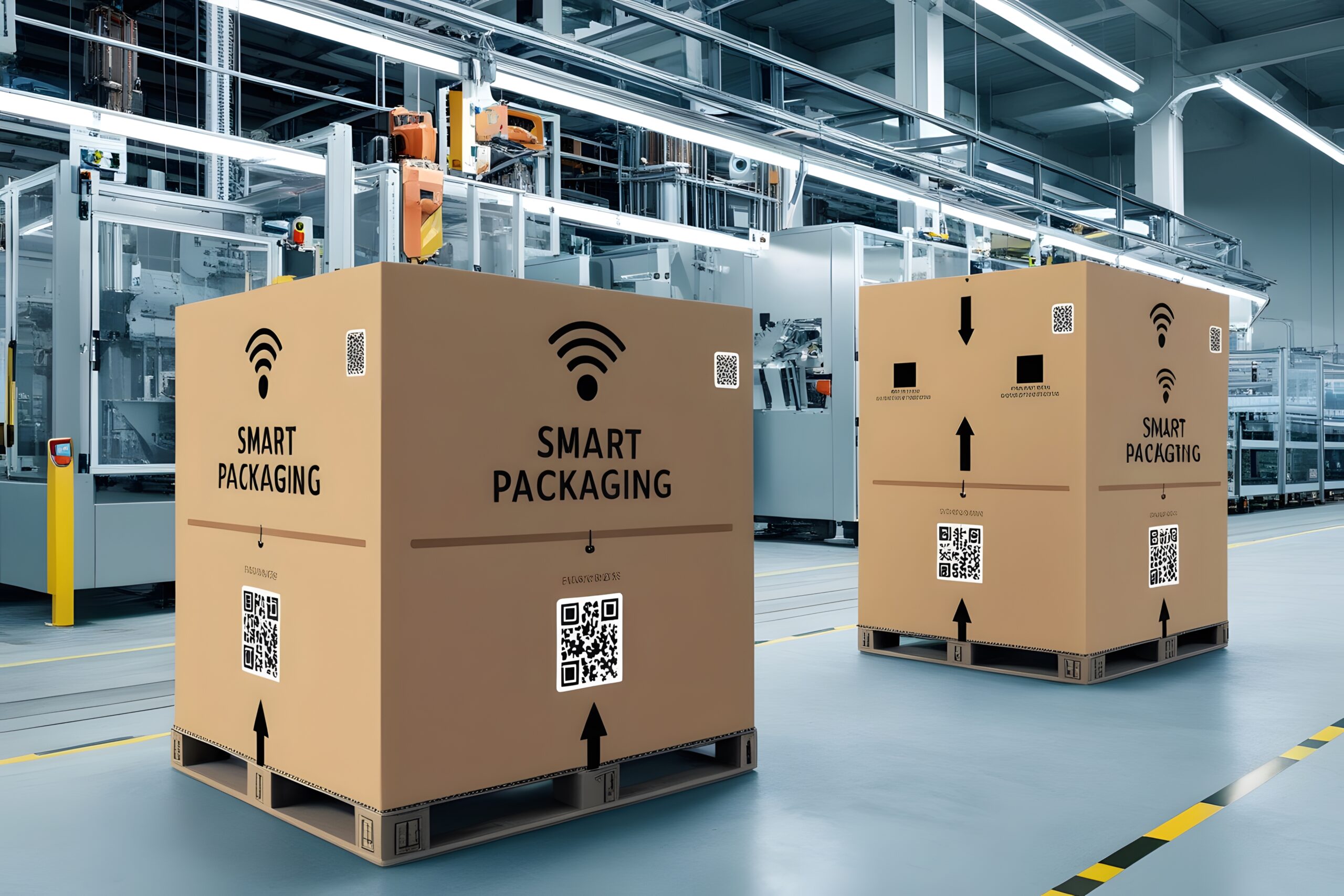
Smart labeling technologies such as QR codes, NFC, and RFID are reshaping the flexible packaging market by enabling real-time traceability and access to authenticated product data. These tools allow consumers to view sourcing details, environmental impact metrics, and certifications, while helping brands meet food safety and pharmaceutical traceability regulations, prevent counterfeiting, and strengthen long-term consumer trust.
Conclusion
The flexible packaging market is rapidly evolving, combining sustainability with innovation from AI-driven manufacturing and smart traceability, to format innovation and genuine circular solutions. As recycling myths fade, brands that commit to transparency, technology, and authentic sustainability will shape future market leadership. Flexible packaging is no longer just about protection or cost efficiency, but about delivering intelligent, trusted, and truly circular solutions consumers prefer.