


Key Highlights:
- The AI assistant market is undergoing a major transformation driven by generative AI, multimodal capabilities, and autonomous agents.
- AI assistants are evolving from simple voice tools to intelligent digital partners capable of reasoning, creating, analyzing, and executing tasks.
- According to Grand View Research, the global AI assistant market size is projected to reach USD 73.80 billion by 2033.
- Popular AI assistants like ChatGPT, Gemini, Microsoft Copilot, Alexa, Siri, Galaxy AI, Qwen, and Perplexity are shaping global user experiences.
- AI agents represent the next phase of evolution, offering autonomous task execution and workflow management across digital ecosystems.
The AI Assistant Market is moving through a historic transformation. What began as simple voice-controlled tools has now evolved into highly intelligent, context-aware, and multimodal systems capable of reasoning, creating, analyzing, and acting. AI assistants today are not just digital conveniences; they are becoming essential productivity partners in both personal and professional environments.
As global demand for automation increases, industries are rapidly integrating AI assistants into devices, platforms, and business workflows. Smartphones, smart homes, enterprises, and even automobiles now rely on intelligent assistants to deliver seamless user experiences.
According to Grand View Research, the global AI assistant market size is projected to reach USD 73.80 billion by 2033, driven by the rapid advancement of generative AI, large language models, and emerging multimodal capabilities that are transforming human–machine interactions. With AI assistants becoming more accurate, autonomous, and integrated, they are shaping the future of the digital ecosystem.
A New Chapter of Intelligence Dawns in the AI Assistant Market
The AI assistant industry is entering a new era defined by assistants that can see, hear, speak, interpret, and act across multiple environments. These systems are becoming smarter, more intuitive, and more personalized than ever before. With enhanced reasoning abilities, they can now process complex user requests, provide meaningful insights, and execute tasks across apps and devices.
Types of AI Assistants Used Across Different Ecosystems
AI assistants now operate across diverse ecosystems, each designed to serve specific purposes and meet the needs of users. In the evolving AI assistant market, these intelligent systems handle data processing, task automation, predictive analysis, and creative generation across industries, making them essential for modern digital workflows. Here are the main types of AI assistants across global ecosystems:
- Voice Assistants: Tools like Alexa, Google Assistant, and Siri enable hands-free control in smart homes, vehicles, and wearables, making everyday tasks easier and more intuitive.
- Enterprise AI Assistants: Integrated into workplaces, assistants such as Microsoft Copilot and Slack AI improve productivity by automating documentation, scheduling, and workflow management.
- Mobile AI Assistants: Embedded in smartphones, Galaxy AI or Apple Intelligence provides on-device intelligence for tasks like messaging, translation, image editing, and personalized recommendations.
- AI Chatbots: Platforms like ChatGPT, Claude, and Grok facilitate conversational problem-solving, content generation, and customer support, providing highly interactive experiences.
- Industry-Specific AI Assistants: Designed for sectors like healthcare, finance, retail, and education, these assistants optimize operations, enhance customer engagement, and streamline processes.
This diverse range of AI assistants underscores the market’s expansion from simple Q&A tools to sophisticated, cross-industry solutions that drive both efficiency and innovation.
The Rise of Autonomous Digital Partners: AI Assistants Evolving into AI Agents
AI assistants are now transitioning into AI agents, systems capable of performing multi-step tasks autonomously. Instead of waiting for commands, AI agents can observe patterns, predict user needs, and take autonomous actions to achieve their objectives. This shift represents a major technological leap in the AI assistant market.
AI Agents vs. AI Assistants: Understanding the Key Differences
AI agents and AI assistants both serve as digital helpers; however, their intelligence levels differ significantly. Traditional assistants respond to prompts, while AI agents use reasoning, planning, and tool execution to complete missions without constant supervision. Here’s how they differ:
| Feature | AI Assistants | AI Agents |
| Role | Respond to queries | Act independently |
| Task Nature | Simple or guided | Complex and multi-step |
| Control | User-driven | Goal-driven |
| Example | Siri responding to commands | Agents automating an entire workflow |
AI agents represent the next evolution of the AI assistant market, driving automation across industries.
The Search for Accuracy: How Reliability Is Redefining the AI Assistant Market
Accuracy has become the defining factor for AI assistants today. Powered by generative AI, these systems are taking on complex tasks such as content creation, data analysis, coding, and decision-making, where even small errors can impact trust and effectiveness. Users now demand systems that consistently deliver precise, reliable, and context-aware results.
To meet these expectations, companies are focusing on real-time fact-checking, continuous model improvement, and integrating multimodal data for smarter outputs. This focus on reliability is shaping the growth of the AI assistant market, ensuring that AI assistants not only generate creative solutions but also with confidence and accuracy.
From Apps to Ecosystems: The Expanding Landscape of AI Assistant Applications
AI assistants are no longer standalone tools; they now power interconnected digital ecosystems. Modern assistants link mobile apps, IoT devices, cloud systems, and enterprise tools to create unified user experiences. This shift has enabled the development of advanced applications in productivity, entertainment, education, and business operations.
Top 5 Leading AI Assistant Apps
AI assistants today differ significantly in their performance, whether it is advanced reasoning, natural voice interaction, workflow automation, or generative intelligence. The following eight apps have the most substantial impact on the global AI assistant market.
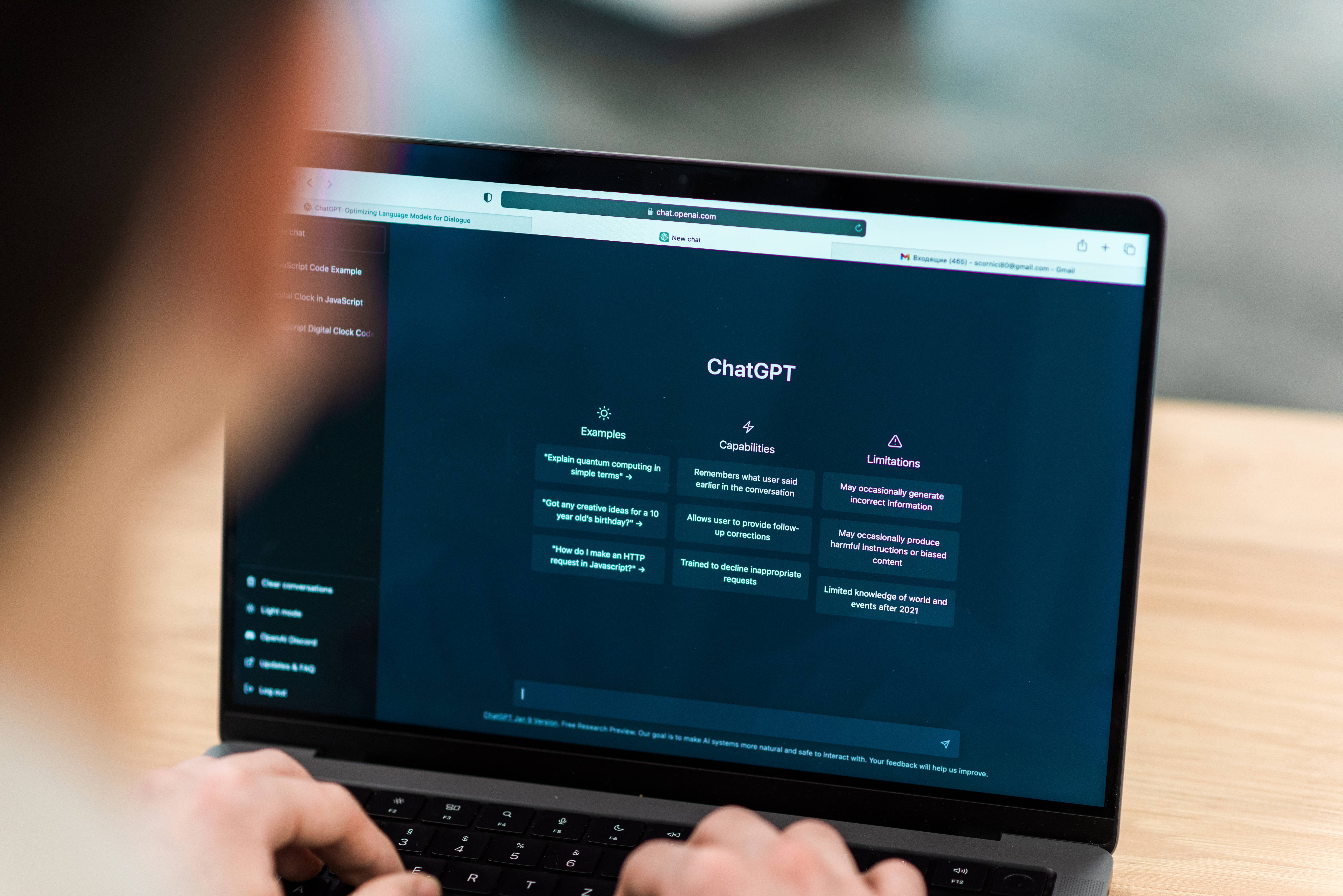
- ChatGPT: Known as one of the most advanced generative AI assistants, ChatGPT offers strong reasoning, creativity, and conversational depth. It can draft content, write code, analyze data, and function as a personal or professional productivity partner. Its multimodal capabilities make it a leading tool across industries.
- Google Gemini: Integrated deeply into Google’s ecosystem, Gemini powers Android devices, Google Workspace, and consumer applications. It delivers strong multimodal vision, contextual understanding, and advanced reasoning, helping users with visual insights, data interpretation, and search-driven intelligence.
- Microsoft Copilot: Transforming enterprise productivity, Microsoft Copilot works seamlessly across Windows, Office 365, and business applications. It supports document creation, email drafting, reporting, and data analysis, making it one of the most influential assistants in corporate environments.
- Siri / Apple Intelligence: This assistant remains a top mobile AI assistant software because of Apple’s massive global device base. With the introduction of Apple Intelligence, Siri is gaining more generative, contextual, and multimodal capabilities, making it far smarter and more intuitive for everyday use.
- Amazon Alexa: As the leader in smart home technology, Alexa enables users to control lighting, appliances, entertainment systems, and home automations. Its extensive IoT compatibility and customizable routines position it at the center of the smart-home ecosystem.
These eight assistants are shaping the competitive landscape and future trajectory of the AI assistant industry.
The Road Ahead
The future of the AI assistant market is poised to be shaped by autonomous intelligence, emotional understanding, and seamless multi-device coordination. AI assistants will evolve into everyday digital partners capable of managing personal routines, professional work, and complex decision-making processes. With the acceleration of generative AI and rising global demand, AI assistants are poised to become one of the most significant technologies driving digital transformation worldwide.