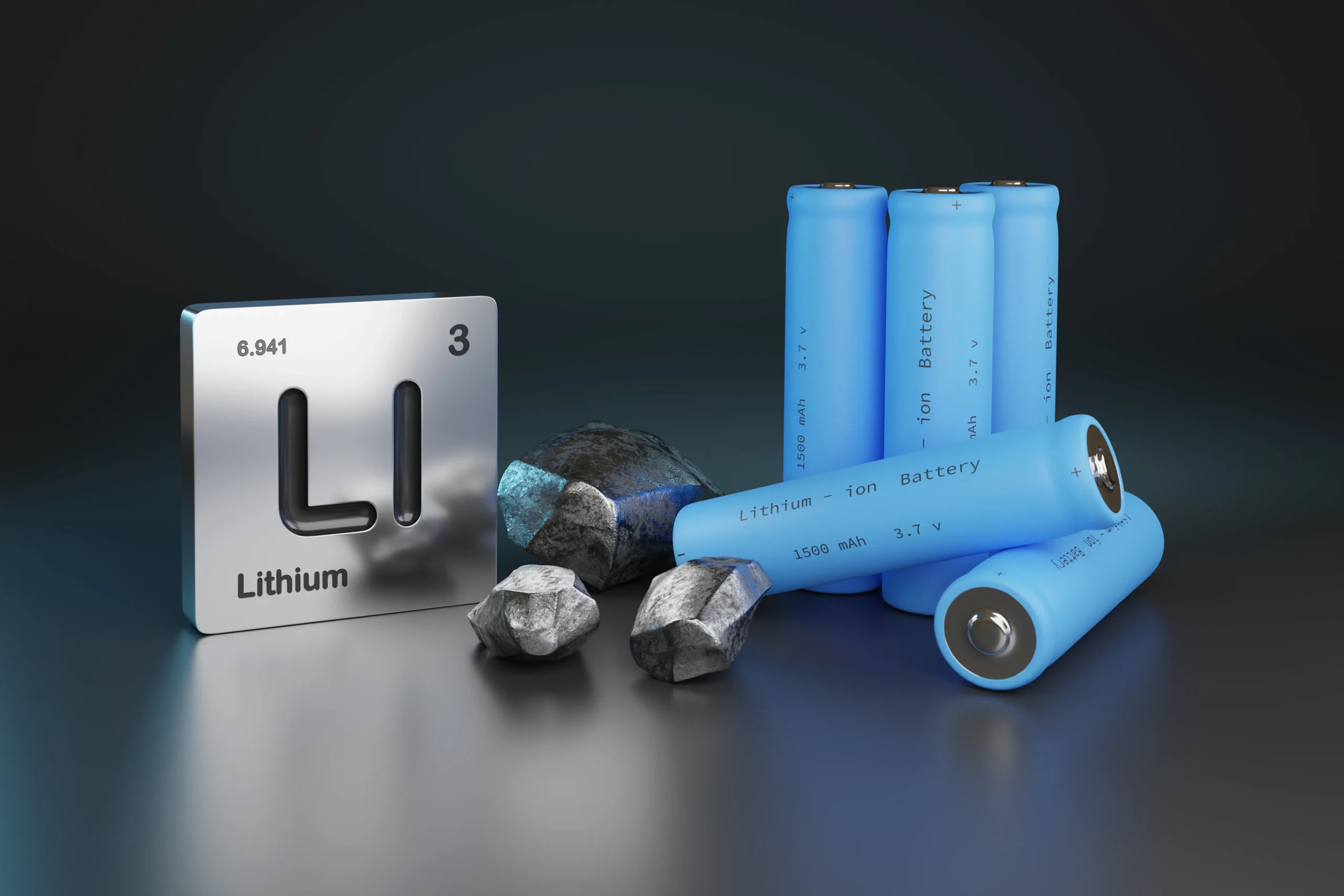



The world is racing toward electrification. Electric vehicles are scaling faster than expected, renewable energy storage is expanding, and lithium-ion batteries are now foundational to the global energy transition. But beneath this progress lies a growing problem that cannot be ignored. What happens to batteries when they reach the end of their life?
Battery recycling has moved from an operational afterthought to a strategic necessity. And at the center of this transformation sits artificial intelligence. AI is not just improving recycling efficiency. It is reshaping how the entire battery lifecycle is managed, optimized, and sustained. According to Grand View Research Inc., the battery recycling market is forecast to cross revenues of over USD 43 billion by 2033 at a staggering CAGR of 37.7%, driven by EV adoption, raw material shortages, and sustainability mandates.
Why Battery Recycling Needs Intelligence, Not Just Infrastructure
Modern batteries are complex. They vary in chemistry, design, size, and condition. Traditional recycling systems were never built to handle this level of variability at scale. Manual sorting struggles to keep up. One incorrect classification can contaminate an entire processing batch. Safety risks increase as volumes rise. Energy costs climb as inefficiencies compound.
This is where AI changes the equation. Instead of treating battery recycling as a linear disposal process, AI turns it into a dynamic, data-driven system that adapts in real time.
How AI Transforms the Battery Recycling Lifecycle
Once artificial intelligence enters the loop, every downstream process becomes more predictable, safer, and economically viable.
AI-Powered Battery Identification and Sorting
Effective recycling begins with accurate sorting. Batteries that appear identical can contain different internal chemistries, and incorrect classification directly impacts recovery efficiency. AI-driven computer vision systems analyze batteries using high-resolution imaging and machine learning models trained on thousands of battery types. These systems identify chemistry, size, and condition in real time and automatically route batteries to the appropriate processing stream.
This results in:
- Cleaner material input streams
- Reduced cross-contamination
- Higher-quality recycled outputs
- Faster throughput with minimal manual intervention
Leading recyclers use AI sorting to significantly improve material yield and operational consistency.
Intelligent Automation for Safe Disassembly
Manual battery disassembly exposes workers to electrical hazards, fire risks, and toxic materials. AI-guided robotics reduce these risks by automating pack disassembly and module separation.
Robotic systems powered by AI can:
- Detect battery architecture and fastener placement
- Adapt to different pack designs dynamically
- Perform repetitive tasks with high precision
- Reduce human exposure to dangerous environments
Automation improves safety while increasing processing speed and standardizing output quality across large volumes.
Predictive Maintenance and Process Stability
Battery recycling facilities operate under extreme thermal, chemical, and mechanical conditions. Equipment downtime can quickly disrupt operations and inflate costs. AI-enabled predictive maintenance systems analyze sensor data from shredders, furnaces, conveyors, and reactors to detect early signs of wear or failure. Maintenance teams receive actionable insights before breakdowns occur.
Benefits include:
- Reduced unplanned downtime
- Lower maintenance costs
- Extended equipment lifespan
- Improved operational reliability
This shift from reactive to predictive maintenance is critical for large-scale recycling operations.
Energy Optimization Through Machine Learning
Recycling processes such as hydrometallurgical extraction consume significant energy. AI models continuously monitor energy usage and adjust process parameters to minimize waste.
Machine learning systems optimize:
- Temperature control
- Chemical dosing
- Processing duration
- Load balancing across systems
Facilities using AI-driven energy optimization report lower operational costs and reduced carbon footprints, aligning economic efficiency with sustainability goals.
Smarter Black Mass Processing and Material Recovery
Black mass contains valuable elements such as lithium, cobalt, nickel, and graphite, but its composition varies widely. AI models analyze black mass characteristics in real time and guide separation techniques to maximize purity and yield.
This enables recyclers to:
- Improve lithium and metal recovery rates
- Deliver battery-grade materials
- Reduce downstream refining requirements
- Increase profitability per unit processed
Over time, AI systems continuously learn from operational data, further refining recovery efficiency.
Digital Traceability Across the Battery Recycling Supply Chain
As regulators and manufacturers demand greater transparency, AI-powered traceability systems are becoming essential. By combining AI with digital tracking technologies, recyclers can monitor materials from collection through reintegration into new batteries.
This ensures:
- Regulatory compliance
- Ethical sourcing verification
- Supply chain transparency
- Stronger trust with OEMs and energy storage manufacturers
Traceability transforms recycling into a strategic supply chain function rather than a disposal activity.
Real-World Adoption: How Industry Leaders Use AI
AI-powered battery recycling is already reshaping the industry:
Redwood Materials uses intelligent sorting and processing to recover battery-grade lithium, cobalt, and copper for reuse.
Li-Cycle applies AI analytics to optimize its spoke-and-hub recycling model.
Umicore integrates AI-driven process control with advanced metallurgy.
American Battery Technology Company leverages data-driven hydrometallurgical systems to recover critical minerals domestically.
These examples demonstrate how AI is moving from pilot projects to industrial-scale deployment.
Why AI-Driven Battery Recycling Is a Strategic Imperative
The global battery recycling market is projected to grow exponentially over the next decade. Companies that adopt AI early gain a competitive edge through higher efficiency, better margins, and stronger supply chain control.
AI transforms battery recycling into:
- A scalable industrial operation
- A reliable source of critical materials
- A cornerstone of the circular energy economy
Charging Up Ahead
AI is not simply enhancing battery recycling. It is redefining how the industry operates. From intelligent sorting and robotic disassembly to predictive maintenance and transparent supply chains, AI enables a future where battery materials circulate continuously with minimal waste. As electrification accelerates, AI-powered battery recycling will play a decisive role in building resilient, sustainable energy systems worldwide.