



Key Highlights
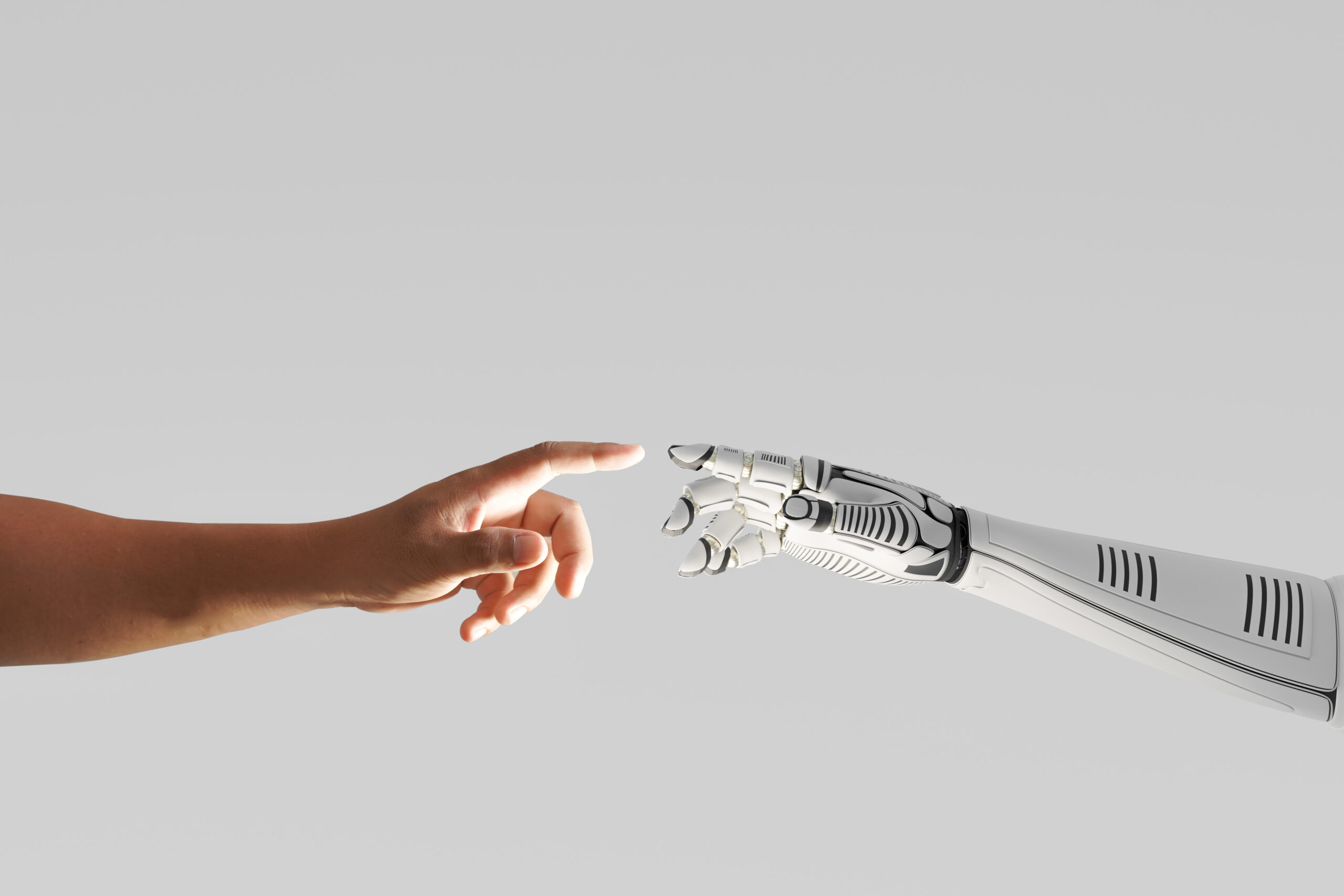
- AI assistants are transitioning from reactive tools to proactive systems that manage workflows, analyze data, and personalize user experiences.
- Growth is driven by enterprise adoption, smart device integration, and rising demand for automation across industries.
- According to Grand View Research, the global AI assistant software market size is projected to reach USD 35,720.6 million by 2033.
- Leading players include ChatGPT, Microsoft Copilot, Google Gemini, Amazon Alexa, Google Assistant, and Meta AI.
- The future of the AI assistant software market will focus on trust, transparency, and emotion-aware AI as intelligent assistants become central to digital ecosystems.
“Hey Siri, what’s next?” that question, once a playful novelty, has become a symbol of how the AI Assistant Software Market is reshaping the way we work, live, and communicate. From scheduling meetings to generating reports, AI assistants are now a cornerstone of modern productivity.
The industry is witnessing rapid transformation as large language models, generative AI, and multimodal capabilities redefine digital interaction. What began as voice-activated convenience has evolved into an intelligent ecosystem of proactive, context-aware systems operating across devices, industries, and workflows.
According to Grand View Research, the global AI assistant software market is projected to reach USD 35,720.6 million by 2033, driven by enterprise adoption, the spread of smart devices, and growing reliance on automation for everyday decision-making.
Why the AI Assistant Software Market Is Expanding Rapidly
The rise of the AI assistant software industry has been rapid and highly visible, with its presence now evident in homes, offices, phones, and cars. This widespread presence is the result of demand for personalization, efficiency, and always-on support. Assistants are no longer optional features but integral components of both personal life and business operations. Some of the key drivers behind this ubiquity include:
- Hybrid work models increasing dependence on scheduling and summarization tools.
- E-commerce and customer service platforms leveraging AI for instant responses.
- Smart devices and IoT systems are integrating assistants into connected ecosystems.
- Advancements in AI models are improving accuracy, tone, and conversational flow.
What started as a supporting feature has now become essential infrastructure for both personal and enterprise-level productivity.
5 Ways the AI Assistant Software Market Is Redefining Digital Productivity
The AI assistant software market is rapidly transforming how individuals and businesses manage time, communication, and decision-making. What used to be a simple task automation has evolved into intelligent, context-aware assistance that adapts to user needs. As demand for smarter workflows grows, the AI assistant software industry is shaping a new era of productivity where digital helpers become proactive partners rather than passive tools.
Here are the top five ways this transformation is unfolding:
- Smarter Decision Support
Modern AI assistants analyze patterns, predict user needs, and offer data-backed suggestions, helping teams plan better, reduce errors, and accelerate strategic decision-making. - Frictionless Task Automation
From scheduling meetings to summarizing conversations, AI assistants automate repetitive tasks, allowing users to refocus their time on work that actually matters. - Natural, Human-Like Interactions
Advancements in natural language processing make AI assistants far more conversational, enabling smoother voice commands, better contextual understanding, and more intuitive user experiences. - Personalized Workflow Optimization
AI tools now learn individual preferences over time, adjusting reminders, recommending productivity habits, and creating custom workflows aligned with personal working styles. - Seamless Integration Across Ecosystems
Today’s AI assistants integrate across email, CRM systems, collaboration tools, and cloud platforms, creating a unified digital experience that boosts efficiency across the entire organization.
From Siri to Superintelligence: The Evolution of AI Assistants Software
The evolution of AI assistant software traces the journey from basic voice commands to advanced generative capabilities. Early assistants, such as Siri and Google Assistant, handled simple tasks. Amazon Alexa then popularized home automation and interactive communication.
The next leap came with ChatGPT, which demonstrated the potential of the AI Assistant Software Market to create, analyze, and generate, extending assistants into content creation, coding, and idea generation. Now, technologies like Google Gemini and Microsoft Copilot are setting new benchmarks with multimodal intelligence, enabling assistants to understand context, visuals, and data simultaneously.
This shift marks the transition toward superintelligence, where assistants not only respond but also act, automate, and learn continuously.
Where Work Meets AI: The Enterprise Shift in AI Assistant Software Market
In enterprises, AI assistants are evolving into strategic growth enablers. Organizations are embedding assistants into workflows to improve efficiency, reduce costs, and accelerate innovation. The following are the key enterprise applications reshaping modern workplaces:
- Productivity Gains: Microsoft Copilot enables faster reporting, data analysis, and meeting summaries, revolutionizing daily work.
- Customer Experience: AI assistants personalize interactions and provide instant resolutions, strengthening customer loyalty.
- Decision Support: With access to large datasets, assistants generate real-time insights that help leadership make data-driven decisions.
- Employee Training: Intelligent assistants streamline onboarding and enable continuous learning, increasing workforce agility.
As enterprise adoption deepens, the AI assistant software market continues to redefine how organizations collaborate, communicate, and compete in the digital era.
From Hype to Trust: Tackling Privacy and Transparency Challenges
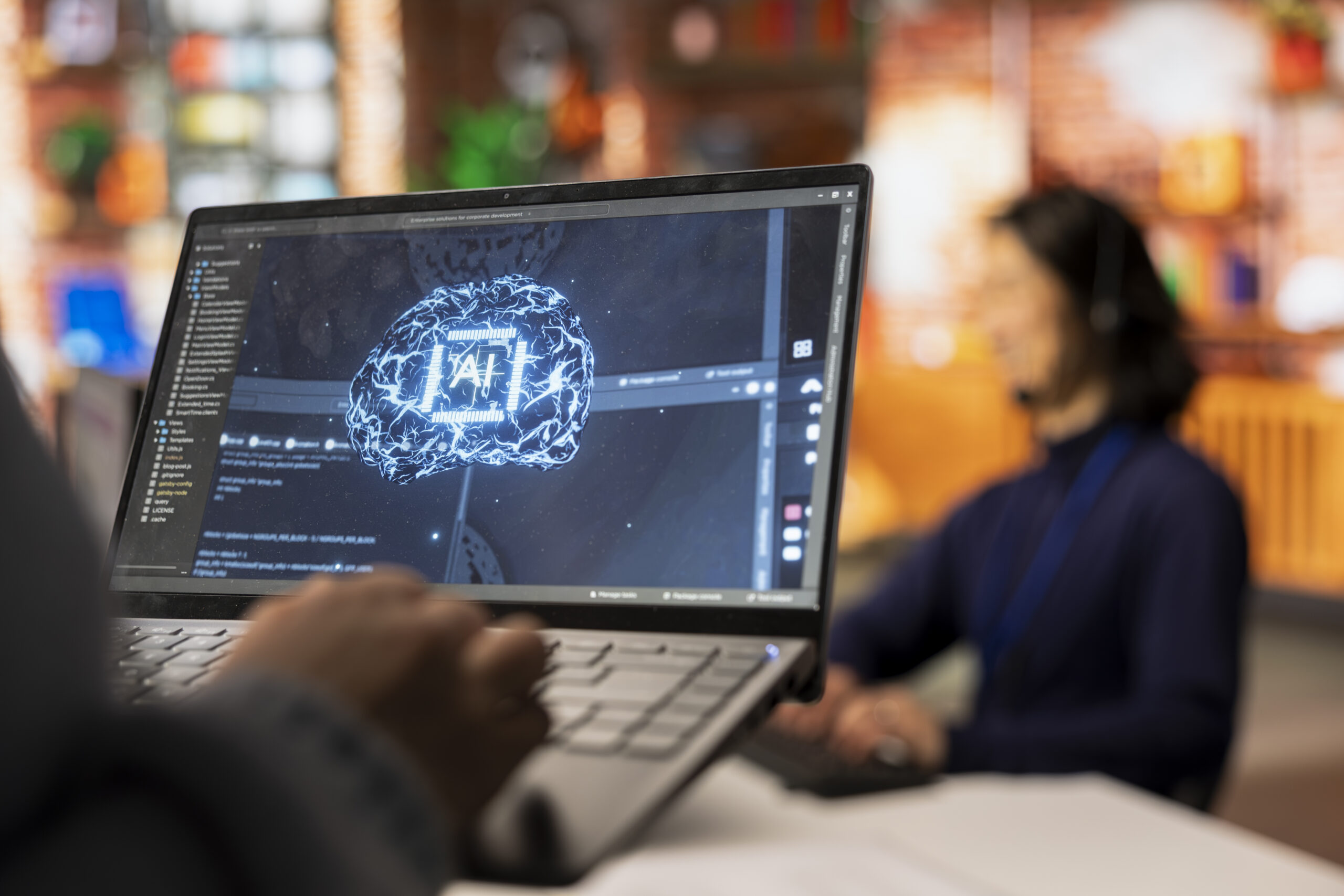
As adoption accelerates, the AI assistant software market faces growing scrutiny around data security, ethical integrity, and transparency. With assistants handling sensitive information and user interactions, establishing trust has become as vital as technological advancement itself. Key challenges shaping the market include:
- Data Protection: Managing sensitive conversations demands strong encryption, compliance, and security frameworks.
- Accuracy and Bias: Inaccurate or biased outputs can damage credibility and erode user confidence.
- Transparency: Users expect explainable Artificial Intelligence, with clear reasoning behind automated decisions.
- Over-Reliance: Excessive delegation to assistants may raise accountability and ethical concerns.
Leading Platforms Shaping the AI Assistant Software Market
The AI assistant software industry is largely defined by six dominant platforms, each setting benchmarks for capability and adoption. These solutions are not simply popular, they establish the direction of the industry.
- ChatGPT: The conversational pioneer, enabling content creation, coding, and problem-solving.
- Microsoft Copilot: The enterprise specialist, reshaping workplace productivity.
- Google Gemini: The multimodal innovator, handling text, visuals, and audio seamlessly.
- Amazon Alexa: The smart home leader, now advancing toward more natural conversational flows.
- Google Assistant: The global companion, embedded across billions of connected devices.
- Meta AI: The social connector, integrated into WhatsApp, Messenger, and Instagram.
Conclusion
The AI assistant software market has advanced far beyond its origins as simple voice helpers. With ChatGPT, Gemini, Copilot, Alexa, Google Assistant, and Meta AI at the forefront, assistants are now established as indispensable assets in business, home, and social ecosystems. Sustained leadership in this space will rely not only on technological breakthroughs but also on the ability to balance innovation with trust and transparency. As assistants grow more proactive and adaptive, they are set to evolve from being categorized as tools to becoming partners in shaping how people work, live, and connect. The future is no longer a distant vision, it is already here.