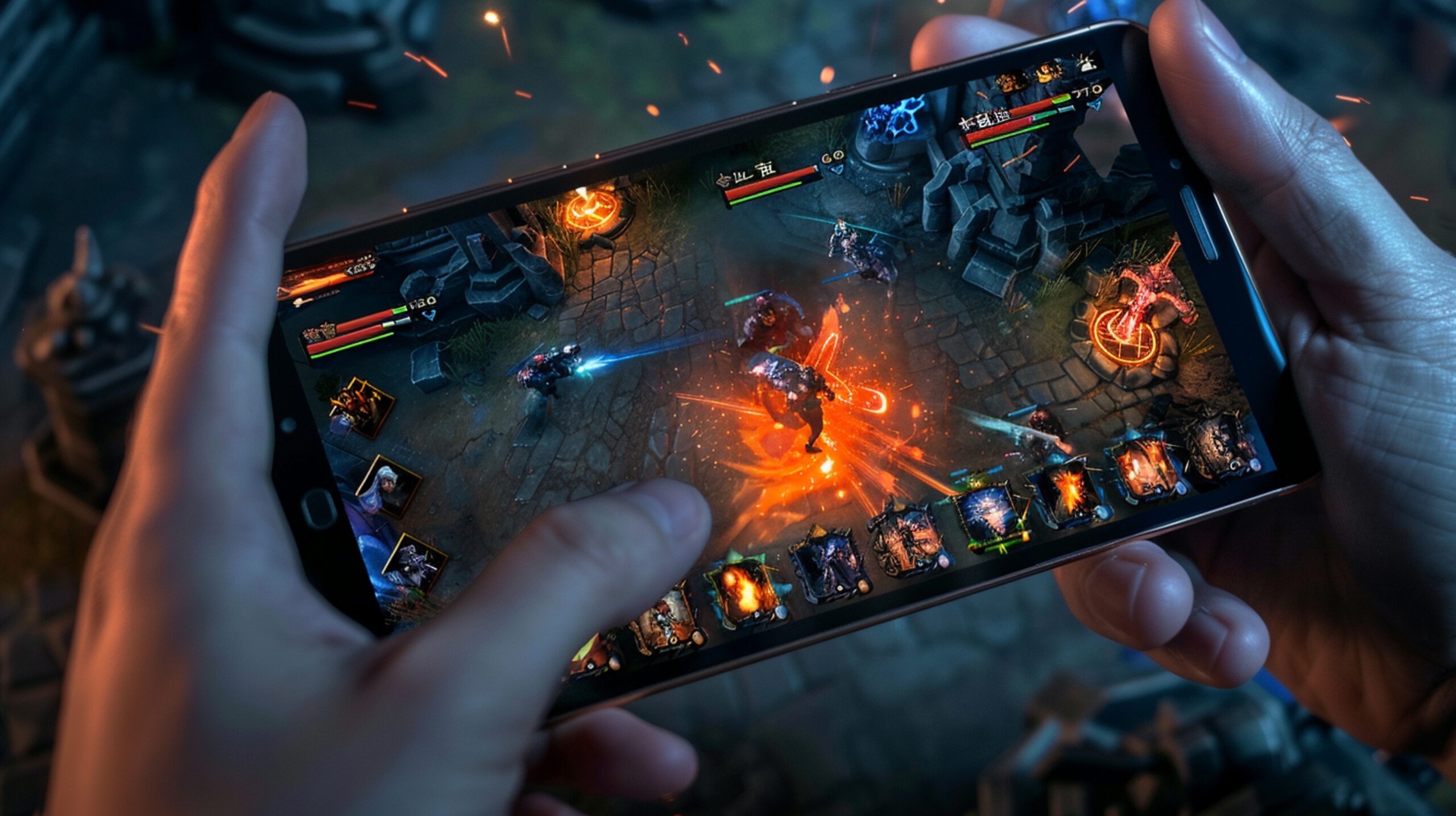




Artificial Intelligence (AI) has moved from being a background algorithm on social platforms to becoming the main driver of how we connect, share, and consume content.
AI has quietly been influencing social media platforms for over a decade, from Facebook’s early facial recognition in photos to TikTok’s now-famous recommendation algorithm. What began as simple automated tagging has evolved into a sophisticated web of machine learning models, real-time analytics, and content generation tools that are redefining how we create, consume, and engage online.
Today, AI is no longer just a background algorithm deciding which posts you see. It is a core driver of personalization, engagement, and even business growth strategies on platforms. From automatically generating captions to moderating billions of posts for harmful content, AI is at the center of the social media revolution.
According to Grand View Research, the global AI in social media market is projected to reach USD 48.18 billion by 2030, driven by advancements in natural language processing, generative AI models, computer vision, and predictive analytics. This growth reflects the rising demand for hyper-personalized experiences, faster content delivery, and enhanced platform security.
Role of AI in Transforming Social Media
AI has emerged as the invisible architect of today’s social media experience, quietly shaping what users see, interact with, and respond to. It strikes a careful balance between delivering content that aligns with individual preferences and fulfilling platform objectives such as engagement, retention, and monetization. By analyzing billions of user interactions every second, AI has evolved into a decision-making engine that curates highly relevant feeds, ensures timely delivery of content, and predicts what will resonate with audiences before they even search for it.
Beyond personalization, AI is transforming how content is created, moderated, and marketed. It generates automated posts that match a brand’s tone, detects and removes harmful or inappropriate content in real time, and enables highly targeted advertising that reaches the right audience with minimal waste. Moreover, AI-powered chatbots and virtual assistants enhance customer experiences by providing instant, accurate responses. Together, these capabilities make AI not just a tool but a strategic necessity for social media platforms and the brands that rely on them.
A New Era of Social Media Engagement
Social media is entering a phase where AI is no longer a silent assistant; it is becoming the director, editor, and sometimes even the creator of online content. From startups to tech giants, every major platform is integrating AI to make social interactions more engaging, targeted, and profitable.
Personalized Feeds: Beyond the Like Button
Modern users expect more than chronological timelines. AI-powered recommendation engines analyze user behavior, interactions, and preferences to curate content that feels tailor-made. Whether it is Facebook’s “Home” feed or Instagram’s Explore page, AI ensures every scroll is addictive, relevant, and timely. Predictive analytics can now anticipate what users might want to watch or read before they even search for it, creating a highly personalized social experience that keeps them engaged longer.
AI-Generated Content: The Rise of the Machine Creator
Content creation is no longer limited to human hands. AI tools like ChatGPT, Jasper, and DALL·E are enabling brands and influencers to generate high-quality posts, captions, and visuals in seconds. This is transforming how marketing teams approach campaigns, allowing them to produce at scale while maintaining creativity. Expect AI to create soon interactive stories, hyper-personalized ad creatives, and even AI-driven influencer personas that can engage audiences without human intervention.
Moderation and Safety: Keeping Platforms Clean
With billions of posts, comments, and messages shared daily, manual moderation is impossible. AI-powered moderation systems scan content in real-time, detecting hate speech, misinformation, spam, and graphic content before it spreads. Platforms like YouTube and Facebook already use AI to automatically remove millions of policy-violating posts each quarter, ensuring safer communities and protecting brand reputation.
Dynamic Advertising: Smarter Ad Targeting
TheAI in social media market is also redefining digital advertising. AI algorithms match ads with the most relevant audiences based on behavior, demographics, and predicted purchase intent. Dynamic ad creatives change in real time depending on the viewer’s profile, increasing click-through rates and ROI. Meta, LinkedIn, and Twitter (X) now offer advertisers AI-driven campaign optimization, automatically adjusting bids, placements, and creatives to maximize performance.
Strategic Applications of AI in Social Media
For modern businesses, marketers, and content creators, AI is no longer optional, it is a competitive advantage. From improving audience targeting to streamlining workflows, AI offers solutions that boost visibility, efficiency, and return on investment:
- Content Generation: Use AI-driven tools to produce brand-consistent captions, visuals, and videos at scale.
- Influencer Identification: Pinpoint influencers whose audience profiles align with brand objectives.
- Real-Time Trend Monitoring: React to and capitalize on emerging trends before they peak in popularity.
- Ad Budgeting, Bidding, and Testing: Automate ad spend allocation, adjust bidding strategies, and test creatives for optimal performance.
- Customer Service: Implement AI chatbots to deliver instant, 24/7 support with human-like accuracy.
- Image and Video Recognition: Apply computer vision to categorize media, enhance discoverability, and improve ad targeting.
Responsible AI Adoption in Social Media: Key Ethical Imperatives
The growing influence of AI in social media brings immense potential but also significant ethical responsibilities. Protecting user privacy is essential, with platforms needing transparent policies on how personal data is collected, stored, and used. Addressing bias and ensuring fairness through regular audits of AI models is equally important to prevent discriminatory outcomes. Clear accountability for AI-driven decisions, especially in content moderation and ad targeting, is vital to maintain trust.
Safeguarding against manipulation and misinformation is another critical priority. AI systems must be designed to detect and limit the spread of false or harmful narratives, protecting both public discourse and user safety. At the same time, organizations must recognize the societal impact of automation, particularly the risk of job displacement in creative and support roles.
To address these challenges, platforms should commit to the ethical use of data, going beyond legal compliance to uphold fairness, transparency, and respect for user rights. Investing in workforce upskilling and adopting responsible AI governance practices will help ensure that AI serves as a force for positive, equitable engagement in the digital space.
Emerging Horizons: What’s Next for AI in Social Media
The AI in social media market is stepping into a high-growth era, driven by rapid advancements in generative AI, predictive analytics, and machine learning. The next wave of innovation will not only enhance user experience but also redefine how brands engage, market, and measure success on digital platforms. At its core, the future will be defined by greater personalization, operational efficiency, and ethical responsibility. Here’s what to expect:
- Tailored Experiences: Hyper-personalized feeds that adapt to a user’s mood, interests, and location, making every interaction feel unique.
- Automation Advantage: Streamlined post scheduling, performance analytics, and ad management, freeing time for strategic priorities.
- Ethics in Action: Greater industry emphasis on transparency, algorithmic fairness, and responsible handling of user data.
- Vision Intelligence: Advanced image and video recognition to improve content tagging, discovery, and ad placement precision.
- Conversational AI: Chatbots and virtual assistants providing 24/7 customer support with near-human understanding and empathy.
- Influencer Impact: Data-driven influencer selection and performance tracking for maximum marketing effectiveness.
Final Thoughts
AI is transforming social media from a passive content hub into an active, intelligent ecosystem that shapes what we see, say, and share. For marketers, creators, and tech companies, the AI in the social media market is not just a technological upgrade; it is a strategic imperative. Those who embrace AI early will be able to engage audiences with unprecedented precision, creativity, and efficiency, shaping the next era of social connection.