



Key Highlights
- Saudi Aramco increased November HSFO tender allocations to eight cargoes.
- Middle East naphtha flows are recovering through alternative logistics.
- European energy costs have forced three Hull chemical plants to idle.
- Chinese acetic acid prices rose 17.4% in mid-September.
- Sulphur supply constraints are complicating phosphoric acid production.
In this article
Chemical Markets Are Being Reshaped by Connected Supply Risks
Aramco’s November Cargo Tenders Put Feedstock Economics in FocusAlternative Naphtha Routes Offer Relief, but Not Certainty
European Energy Costs Push Chemical Production Offline
China’s Chemical Price Movements Reveal Diverging Market Conditions
Sulphur Constraints Add Pressure to Inorganic Chemicals
Chemical Markets Are Being Reshaped by Connected Supply Risks
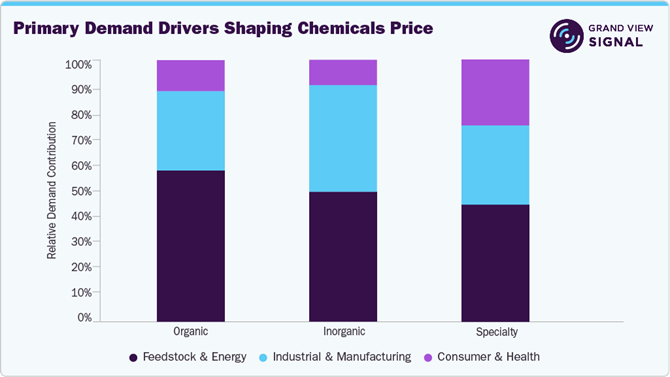
Chemical pricing is increasingly influenced by the interaction of energy economics, feedstock availability, production costs, and regional logistics. A change in fuel oil allocations in Saudi Arabia can affect refining decisions, while disruptions to European manufacturing can shift buyers toward imports. Meanwhile, price movements across Chinese chemical markets reveal how differently individual products respond to supply conditions and downstream demand.
For procurement teams, these developments highlight why monitoring individual price assessments is not enough. Understanding the forces connecting feedstocks, production, and regional trade is essential to evaluating purchasing risks and sourcing alternatives.
Aramco’s November Cargo Tenders Put Feedstock Economics in Focus
Saudi Aramco increased its high-sulphur fuel oil (HSFO) spot tender allocations for November to eight cargoes, compared with six in October. Each cargo is expected to range from 80,000 to 100,000 metric tons, with five cargoes allocated from Jubail and three from Ras Tanura.
The higher allocation matters beyond the fuel oil market. Refiners continually assess the economics of fuel production against alternative processing and chemical feedstock opportunities. Changes in HSFO availability can therefore influence refining spreads, cracker feedstock economics, and decisions about fuel-versus-chemical production yields.
For chemical buyers, the development is a reminder that energy-related supply decisions can affect the broader petrochemical cost structure. Procurement teams should monitor feedstock availability and regional price movements together rather than interpreting fuel market changes in isolation.
Alternative Naphtha Routes Offer Relief, but Not Certainty
Naphtha exports from the United Arab Emirates and Kuwait to Asian markets are recovering through alternative logistics. Ship-to-ship transfers outside the Strait of Hormuz and expanded loading activity at Fujairah are helping maintain flows despite regional shipping challenges.
However, alternative routes do not eliminate supply risk. Equipment bottlenecks, higher marine insurance premiums, and export volumes that remain below historical year-on-year levels continue to complicate scheduling. Even when material is available, the timing and reliability of delivery can remain uncertain.
This distinction is important for chemical procurement. Buyers need to assess not only quoted feedstock prices but also delivery windows, logistics costs, and the reliability of expected volumes. A lower headline price may offer limited value if shipments arrive late or require more expensive transportation arrangements.
European Energy Costs Push Chemical Production Offline
Europe’s high energy costs and natural gas price premiums are putting pressure on the competitiveness of chemical manufacturing. In the United Kingdom, three plants in Hull producing acetic acid, acetic anhydride, and ethyl acetate have been idled as local production economics deteriorated.
When operating costs make domestic production uneconomic, buyers may become more dependent on imported material. That shift can change sourcing requirements and increase exposure to international availability, freight costs, and regional price differences.
For procurement professionals, the key issue is the relationship between production economics and supply security. Monitoring energy costs alongside chemical prices can help identify where local supply may become less dependable and where alternative sourcing arrangements deserve closer evaluation.
China’s Chemical Price Movements Reveal Diverging Market Conditions
September price movements in China show why chemical markets should not be treated as a single category. Glacial acetic acid prices increased by 17.4% in mid-September, while industrial petroleum benzene prices rose 6.5%.
Other products recorded more restrained gains. Ethyl acetate prices increased by approximately 0.3% late in the month as downstream buyers resisted higher prices. Butyl acetate rose around 1.5%, supported by lower operating rates, although falling n-butanol prices partly offset the upward pressure.
These differences reflect the combined influence of operating rates, feedstock costs, and buyers’ willingness to accept higher prices. Rising costs do not automatically translate into equal price increases across related products. Downstream demand and competing inputs can limit how much producers pass through.
For purchasing teams, product-level monitoring is therefore essential. Broad chemical market indicators may overlook meaningful differences between individual derivatives, even when they operate within connected supply chains.
Get Full Access to Price Trends & Market Drivers.
Sulphur Constraints Add Pressure to Inorganic Chemicals
Inorganic chemicals are also showing divergent conditions. China’s sulphuric acid market weakened during the middle of the month, while caustic soda prices remained unchanged. At the same time, global sulphur supply disruptions constrained phosphoric acid production.
Sulphuric acid is a critical input for wet-process phosphoric acid manufacturing, as well as fertilizer production and industrial applications. Import-dependent phosphate processors in India and Morocco are consequently exposed to changes in sulphur availability and associated input costs. Demand from metals and mineral processing adds another layer of competition for relevant materials.
The result is a supply chain in which an upstream disruption can affect several downstream industries. Buyers should track sulphur availability, sulphuric acid pricing, and phosphoric acid production conditions together to better understand potential sourcing pressure.
Turning Chemical Price Signals Into Procurement Decisions
The latest developments demonstrate that chemical pricing is shaped by more than immediate supply and demand. Fuel oil tender allocations, alternative naphtha routes, European energy costs, Chinese product-level movements, and sulphur supply constraints all influence market conditions through different channels.
Procurement teams can respond by comparing regional price assessments, monitoring feedstock and energy developments, reviewing supplier and logistics exposure, and distinguishing temporary price changes from more persistent supply constraints.
Grand View Signal supports this process by tracking more than 200 chemical commodities and energy intermediates, combining regional pricing information, geopolitical scenario modeling, ten years of historical price data, and qualitative market drivers. This integrated view can help businesses connect price movements with the operational developments behind them.
In a market where one disruption can affect multiple products and regions, better visibility into connected price signals can support more informed sourcing, budgeting, and risk-management decisions.
Frequently Asked Questions
1. What factors are influencing global chemical prices?
Energy costs, feedstock availability, production rates, logistics constraints, and regional supply disruptions are among the key influences.
2. Why do Saudi Aramco’s HSFO tenders matter to chemical buyers?
Changes in fuel oil allocations can affect refining economics, cracker feedstock considerations, and decisions about fuel-versus-chemical production.
3. Why are European chemical plants being idled?
High energy costs and natural gas price premiums have made some local production uneconomic, increasing reliance on imports.
4. Why do chemical prices move differently within China?
Products face different operating rates, input costs, supply conditions, and levels of downstream buyer resistance, resulting in varied price movements.
5. How can chemical pricing intelligence help procurement teams?
It can connect regional prices with feedstock, energy, logistics, and geopolitical developments to support sourcing and risk assessment.