


The current global energy landscape is a study in stark contrasts: a volatile Middle East conflict has throttled oil supplies, yet this very chaos has provided an unexpected sanctuary for the once-struggling giants of the electric vehicle (EV) market. The oil crisis has become an ideal sales pitch for EV companies.
The never-ending queues at gas stations and fuel-purchase limits across the Asia Pacific region have become the silver lining for the zero-emission movement. Inevitably, EV showrooms are witnessing a rush of customers.
As a writer who has spent more than a decade chronicling the tectonic shifts of global industry, I see this not merely as a market correction but as a profound pivot point in energy history. While the West grapples with the doomsday option of strikes on oil infrastructure and the literal blockage of the Strait of Hormuz, Asia’s decades-long bet on electrification is transitioning from a risky domestic strategy into a global life raft.
The Electric Altar: Finding Solace in the Shock
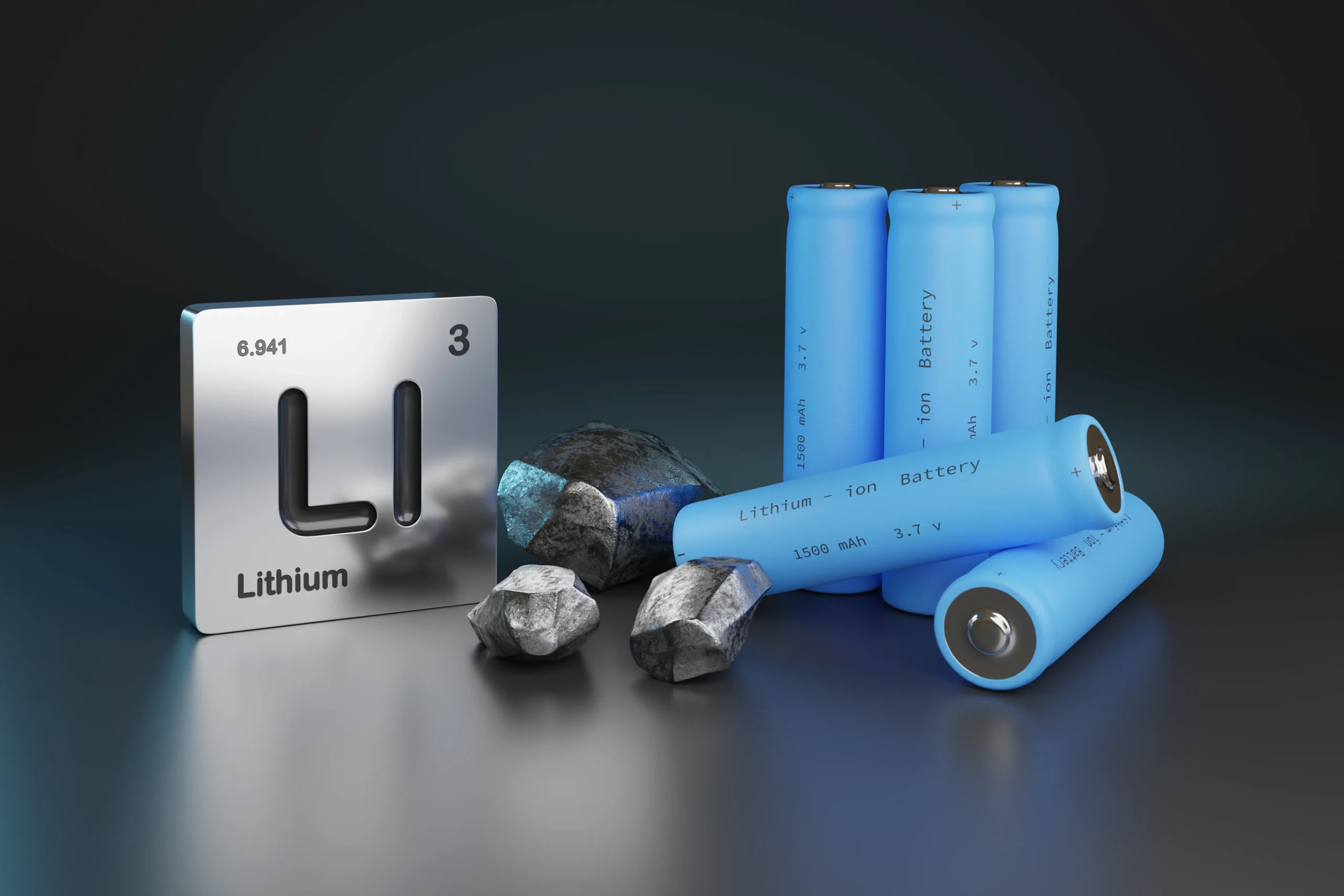
Silent, swift, and strangely secure, the electric engines of the East are humming a new tune of defiance. For years, the critics called them overcapacity; today, the world calls them an opportunity. While the black blood of the old world—crude oil—pulses fitfully through the constricted veins of the Strait of Hormuz, the lithium-ion heart of the new world beats with a steady, rhythmic reassurance.
Because the pumps are parched, the world is watching. Because the prices are punishing, the world is pivoting. Because the past is perilous, the world is pushing toward a plug. A plug that is targeting EV business models.
For the Asian EV titans, this oil shock is not a specter of ruin, but a sanctuary of necessity. They have spent years in the wilderness of cutthroat domestic price wars, battling for a “cake” that seemed too small to feed them all. Now, the geopolitical wildfire has cleared the brush. The overcapacity that once threatened to choke these manufacturers has become a strategic stockpile—a reservoir of ready-made solutions for a planet suddenly desperate to divorce itself from the volatility of the barrel.
The EV market has found its solace in the storm. It is the anchor in an ocean of oil-slicked uncertainty; it is the shield forged in the fires of a fossil-fuel crisis. For the commuter in Bangkok or the delivery driver in Berlin, electric cars are no longer just a green choice, it is a financial fortress. After all, every cent added to the price of a gallon is a brick in the wall of the EV’s dominance.
Oil Crisis Breeds Clarity
We are witnessing the “fool me twice” moment of global energy. Nations that once hesitated at the high entry cost of charging infrastructure now view those costs as a small premium for an insurance policy against history.
Developing countries in Asia have almost emptied their coffers to import oil and crude products. China, once the world’s most voracious importer of oil, has built itself a digital lighthouse. By cutting its own oil consumption by nearly 10% through electrification, it hasn’t just cleaned its air; it has cauterized its vulnerability.
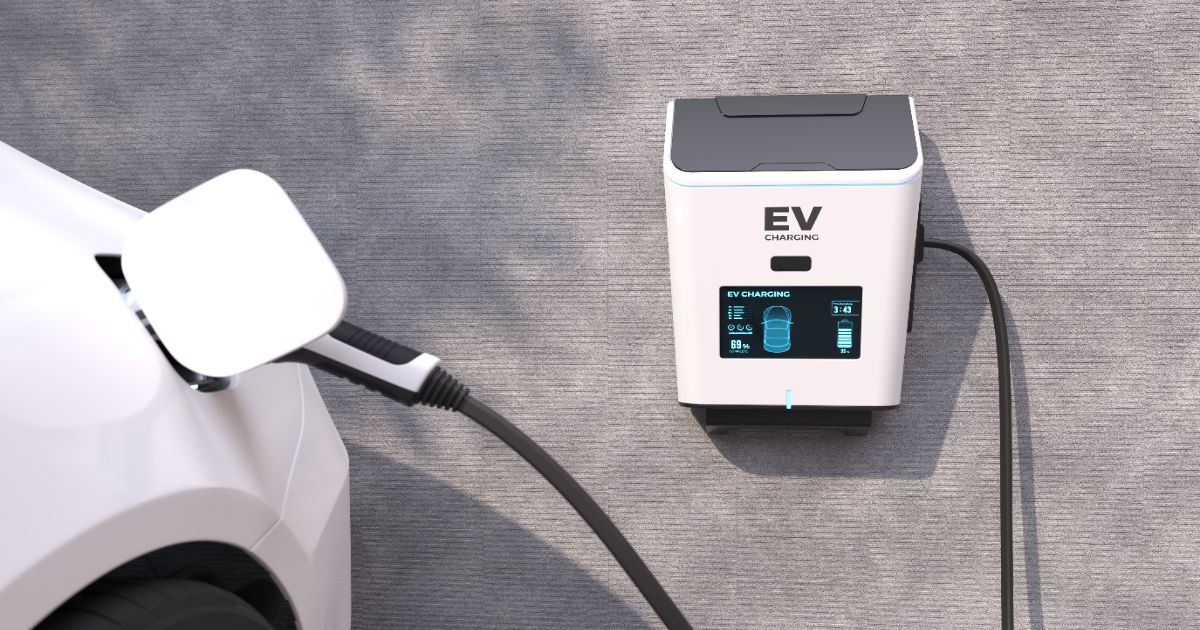
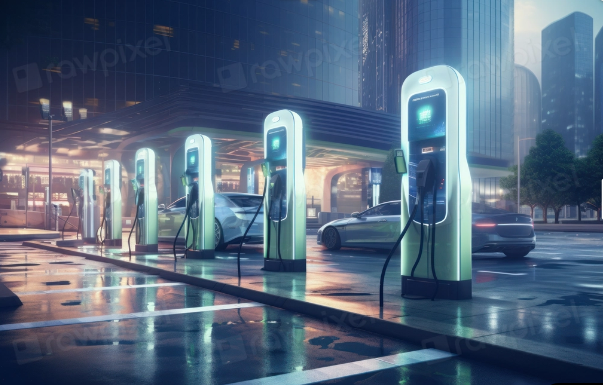
Governments need to make the hay by bolstering decarbonization efforts, investing in battery-swapping stations, and expanding charging infrastructure.
The solace found today is not a quiet peace, but the grim satisfaction of a long-term architect watching their storm-walls hold while the old city floods. The electric revolution didn’t just arrive; it was invited in by the very ghosts of the oil age it seeks to replace.
- Sales of gasoline-powered bikes in China have nosedived around 60% since 2009.
- Vietnam’s VinFast reportedly sold 250 EVs in the three weeks since the Iran war began (twice the average rate in 2025).
- In Laos, the government has reduced EV registration and service fees by 30% against the backdrop of soaring oil prices.
- In New Zealand, the number of fully electric and hybrid vehicles sold on March 14 was quadruple the usual amount for a Saturday.
- Southeast Asian countries have EV adoption rates of around 40%.
- On March 27, in the Hong Kong stock market, BYD COMPANY (01211.HK) was up nearly 3%, marking an accumulated increase of over 11% since March.