




Key Highlights:
- UK skincare consumers have shifted from chasing trends to building science-backed routines, prioritizing skin health, barrier repair, and long-term results over cosmetic promises.
- Around 44% of UK consumers now engage with skincare as a daily habit, placing it alongside wellness routines.
- 8 out of 10 UK skincare consumers plan their purchases in advance, relying on reviews, peer recommendations, and brand content.
- Brand awareness is concentrated among a handful of players, with Nivea leading at 56% recognition, but high awareness no longer guarantees loyalty or relevance.
- Consumers are simplifying their routines and actively cutting out products that lack a clear purpose. Brands that overclaim or add complexity risk losing trust.
UK skincare is undergoing a fundamental shift. Consumers are no longer navigating the category based on trends or cosmetic promises. The core question has changed. Instead of asking, “Will this make me look younger?” they now ask, “Will this improve my skin health?”
This transition from cosmetic aspiration to functional trust is redefining the category. A new segment of “skintellectual” consumers is emerging, individuals who seek scientifically backed formulations and evidence-based results. These consumers are not chasing trends. They are building consistent routines, questioning claims, and aligning purchases with long-term wellbeing.
This highlights a critical inflection point for brands competing in the UK skincare space. Consumer Insights from Grand View Research indicate that traditional strategies centered on aesthetic promises and rapid product launches are losing effectiveness. Consumers now define value through consistency, transparency, and relevance to everyday life.
Why This Shift Matters Now
Nearly 44% of UK consumers now treat skincare as a daily habit rather than an occasional indulgence. Usage patterns show regular and consistent application, positioning skincare alongside wellness practices such as nutrition and fitness.
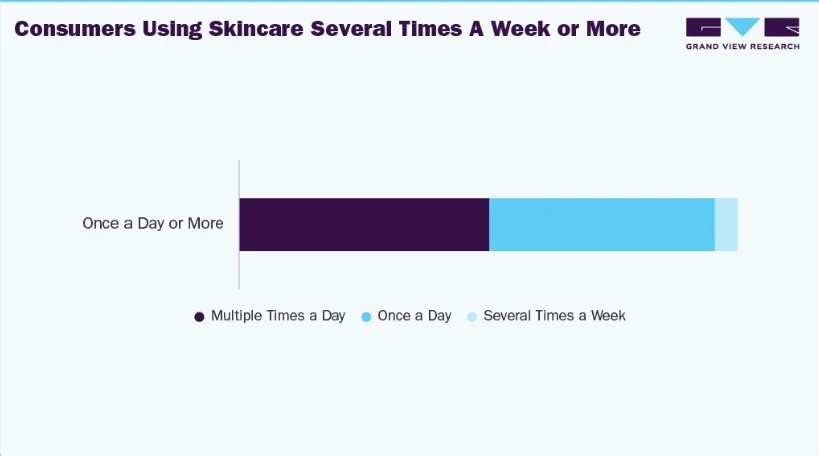
This evolution elevates skincare from a discretionary purchase to a form of preventive self-care.
What This Means for Brand Strategy
- Consumers are simplifying routines and choosing fewer but purpose-driven products
- Proven performance and visible results are more important than trend-led messaging
- Brands that introduce unnecessary complexity risk losing relevance and trust
The Changing Mindset of UK Skincare Consumers
The modern UK skincare consumer is informed, cautious, and emotionally invested. Three key drivers define this mindset:
Skin health over surface appearance
Consumers prioritize hydration, barrier repair, and long-term resilience. Ingredients linked to repair and function are seen as signals of credibility rather than marketing innovation.
Trust through transparency
Consumers want clarity on what goes into products and why it matters. Overpromising and vague claims create skepticism, while straightforward communication builds confidence.
Emotional reassurance
Skincare is closely tied to feelings of control, comfort, and self-confidence. Consumers prefer products that fit easily into their lives and support well-being instead of highlighting imperfections.
How Purchase Behavior Is Evolving in the UK
Skincare purchases in the UK are largely planned and research-driven. Around 8 out of 10 consumers plan their purchases in advance and rely on reviews, peer recommendations, and brand-led content for validation.
Digital platforms play a major role in discovery and education, but visibility alone does not guarantee trust.
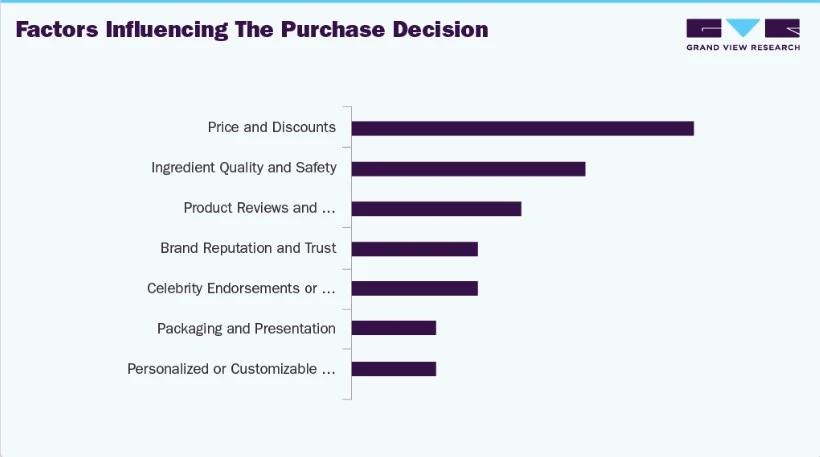
Younger consumers expect brands to guide them through routines rather than push individual products. They value simplicity, clarity, and transparency in decision-making. As a result, content is shifting from promotion to practical decision support.
Price sensitivity still exists, but it is contextual. Consumers are willing to spend more when value is clearly demonstrated through effectiveness, ingredient integrity, and ethical positioning.
Where Legacy Strategies Are Falling Short
Brand awareness in the UK skincare market remains concentrated among a few established players such as Nivea, Aveeno, Estée Lauder, CeraVe, and Clinique. However, high awareness no longer guarantees sustained relevance.
Many legacy brands continue to emphasize product features or trend-driven narratives. This approach is becoming less effective as consumers prioritize what works, fits into their routines, and aligns with their values.
Overcommunication is another challenge. Excessive claims, dense data, and heavy scientific language often overwhelm consumers rather than reassure them. Clarity now matters more than complexity. See what UK consumers are really telling brands.
Strategic Imperatives for UK Skincare Brands
Shift from novelty to proven performance
With most purchases being planned, consumers enter the journey with clear intent. Brands must anchor messaging around efficacy, compatibility, and consistent results rather than chasing trends.
Simplify the value proposition
As routines become more streamlined, brands must clearly communicate why a product deserves a place. Focused benefits and specific use cases perform better than broad positioning.
Build trust through clarity, not volume
Transparency should be precise and easy to understand. Ingredient disclosure and formulation logic must avoid unnecessary complexity.
Integrate purpose into product experience
Sustainability and ethical practices are now baseline expectations. These values must be reflected in both product performance and brand behavior.
Convert awareness into loyalty
Brand familiarity is only a starting point. Long-term success depends on delivering consistent relevance across changing consumer needs and life stages.
What Brands Should Do Next
Position skincare as a long-term journey
Move beyond quick fixes and focus on consistency, care, and long-term results.
Simplify without losing credibility
Offer fewer, smarter solutions that align with minimalist routines while maintaining performance.
Educate with intention
Translate ingredient science into simple, relatable benefits that connect with everyday use.
Use an advisory tone
Consumers respond better to brands that guide and inform rather than aggressively promote.
Looking Ahead
The future of UK skincare will be shaped by brands that truly understand and respond to evolving consumer expectations. As skincare becomes an extension of personal responsibility and self-care, success will depend on aligning product strategy, communication, and experience with real consumer behavior.
This moment is not about reinvention for the sake of it. It is about realignment.
Brands that adapt to this shift will define the next phase of growth. Those that do not may struggle to maintain trust in a market where consumers are more informed and empowered than ever.
Let’s move beyond marketing noise and focus on what truly matters: authentic consumer insights!