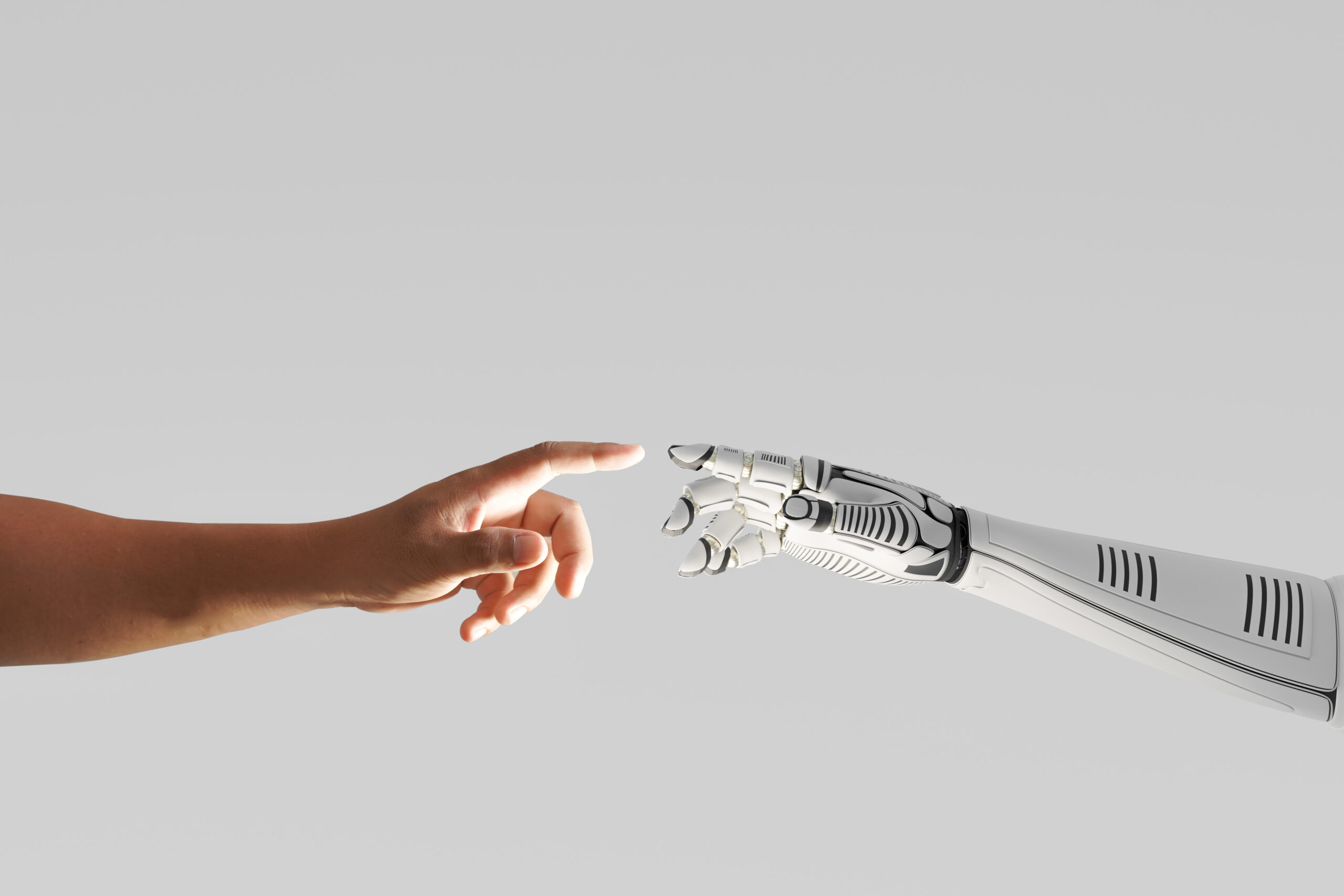




Artificial Intelligence is no longer just about automation, it is about creation.
Once just a concept in science fiction, generative AI is now driving real-world transformation across industries, from marketing and media to healthcare and manufacturing. In the U.S., this revolutionary technology is no longer just experimental. It is practical, profitable, and powering a new wave of productivity.
Generative AI refers to models and algorithms that can create content, text, images, audio, code, video, and even 3D models, based on prompts and patterns. It is mainly due to large language models (LLMs) and advancements in deep learning, these tools are becoming smarter, more accessible, and widely integrated across enterprise workflows.
According to Grand View Research, the U.S. generative AI market is projected to reach USD 33.78 billion by 2030. This surge is driven by rapid innovation in natural language processing (NLP), growing demand for AI-generated content, and widespread enterprise adoption. As companies seek to automate creative and repetitive tasks, generative AI is moving from experimental pilot programs to mainstream deployment.
The Rise of “Create-on-Demand” Intelligence
Just like smartphones changed how we communicate, generative AI is changing how we create. Whether you are a writer using AI to brainstorm ideas, a developer generating code, or a designer crafting visuals with simple text prompts, this tech is enabling faster output without compromising quality.
Tools like ChatGPT, Google Gemini, and Midjourney have made it easier for professionals and amateurs alike to turn imagination into output. The one who is using it needs no advanced skills in design, programming, or video editing; they just need a good prompt. The popularity of generative Ai in the U.S. is due to
- Faster time to market for campaigns, content, and prototypes.
- Cost reduction by automating repetitive creative tasks.
- Customization at scale, enabling companies to generate thousands of personalized versions of the same message.
- Increased accessibility, letting anyone, regardless of technical background, become a creator.
Why U.S. Businesses Are Embracing Generative AI
From startups to Fortune 500 companies, U.S. businesses are actively integrating generative AI into their processes. Here is what’s accelerating the shift:
- Content Creation at Scale: Generative AI is transforming content marketing. Brands now use AI to generate blog posts, ad copy, video scripts, product descriptions, and social media captions in seconds. This allows marketing teams to focus more on strategy and less on manual creation.
- Enhanced Customer Experience: Chatbots and virtual assistants powered by generative AI are offering more natural, human-like interactions. Companies like American Express and Delta are experimenting with generative AI to offer real-time customer support and personalized service.
- Product Design and Prototyping: AI-generated design ideas, blueprints, and simulations are accelerating the R&D process. In industries like automotive and fashion, AI tools are used to explore hundreds of variations instantly, leading to faster decision-making and innovation.
- Code Generation and Software Development: Developers in the U.S. are using AI tools like GitHub, Copilot to write code, detect bugs, and suggest improvements. This drastically reduces development time, especially for repetitive or boilerplate tasks.
Meet the Tools Behind the Boom: Generative AI Platforms Americans Use
Just like Spotify and Audible reshaped the audio industry, several platforms are now leading the generative AI movement in the U.S. Here is a look at the most influential ones:
- OpenAI (ChatGPT, DALL·E, Codex): OpenAI’s models are at the forefront of the generative AI revolution. ChatGPT is widely used in content writing, customer service, tutoring, and brainstorming.
- Google Gemini: With its advanced AI models and integration across Google Workspace, Gemini is helping users automate presentations, emails, spreadsheets, and more.
- Microsoft Copilot: Microsoft is embedding generative AI in everyday productivity tools like Word, Excel, and Teams, making work smarter and faster for millions of professionals.
- Adobe Firefly: Targeted at creatives, Firefly allows users to generate images, fonts, and textures with just a few words. It’s integrated into tools like Photoshop and Illustrator.
- Runway & Synthesia: These platforms are democratizing video production by enabling users to create professional-grade videos using AI avatars and voiceovers—no camera needed.
These platforms are not just tools, they are ecosystems shaping the future of how we work, create, and innovate.
Challenges and Considerations: The Other Side of the AI Boom
While the growth is impressive, the U.S. generative AI market also faces critical challenges:
- Bias and Ethics: AI models often reflect societal biases embedded in their training data. This raises concerns about fairness, misinformation, and harmful outputs.
- Regulatory Uncertainty: There is no clear federal framework yet governing generative AI. Debates are ongoing around IP ownership, data usage rights, and model transparency.
- Job Displacement Vs Augmentation: While AI enhances productivity, it may disrupt jobs in writing, design, and support roles. Striking a balance between augmentation and automation is key.
- Energy and Environmental Impact: Training large models consumes significant energy. Tech companies are now under pressure to make AI more sustainable.
Gen Z, Creators, and the Rise of AI-Native Content
Younger generations, especially Gen Z, are embracing AI-powered creativity tools. With platforms like TikTok, Canva, and ChatGPT, they are producing high-quality videos, music, and content without traditional expertise.
Creators are now curating, editing, and co-creating with AI, often blurring the line between human and machine creativity. In the U.S., this has led to the rise of the “AI-native creator”, a new kind of artist or professional who collaborates with algorithms.
The democratization of generative AI tools means creativity is no longer reserved for those with technical skills. If you can imagine it, AI can help you build it.
Sectors Being Transformed by U.S. Generative AI
Generative AI is reshaping nearly every major sector. Here is a snapshot of where it is making the biggest impact:
- Marketing and Advertising: AI-generated campaigns, personalized ads, and automated A/B testing are cutting time and cost. Brands can now produce content variations tailored to specific customer segments at scale.
- Software and IT: From code generation to system diagnostics, generative AI is speeding up product development and reducing downtime in tech operations.
- Education and eLearning: AI tutors, personalized learning paths, and auto-generated assessments are making education more accessible and customized.
- Healthcare: Generative AI is helping doctors with medical report drafting, radiology image interpretation, and even drug discovery simulations.
- Media and Entertainment: Screenwriters, animators, and music producers are using AI to experiment with plots, visuals, and soundscapes, boosting creative possibilities while lowering production costs.
Conclusion The U.S. generative AI market is more than a tech trend, it is a fundamental shift in how we create, work, and think. From startups building new tools to enterprises transforming entire business models, generative AI is becoming the co-pilot for American innovation. As this space evolves, one thing is clear that in the age of generative AI, imagination has no limits, and the future is being created, one prompt at a time