


Key Highlights:
- The Emotion AI Market is rapidly scaling into a multi-billion-dollar ecosystem, transforming how machines understand and respond to human emotions.
- Ethical and privacy-conscious Emotion AI adoption is becoming a core driver for enterprise trust and consumer engagement.
- According to Grand View Research, the global emotion AI market size is projected to surpass USD 13,397.1 million by 2033, with North America leading adoption.
- Key sectors driving growth include healthcare, automotive, retail, and HR tech, where Emotion AI enhances customer experience and operational efficiency.
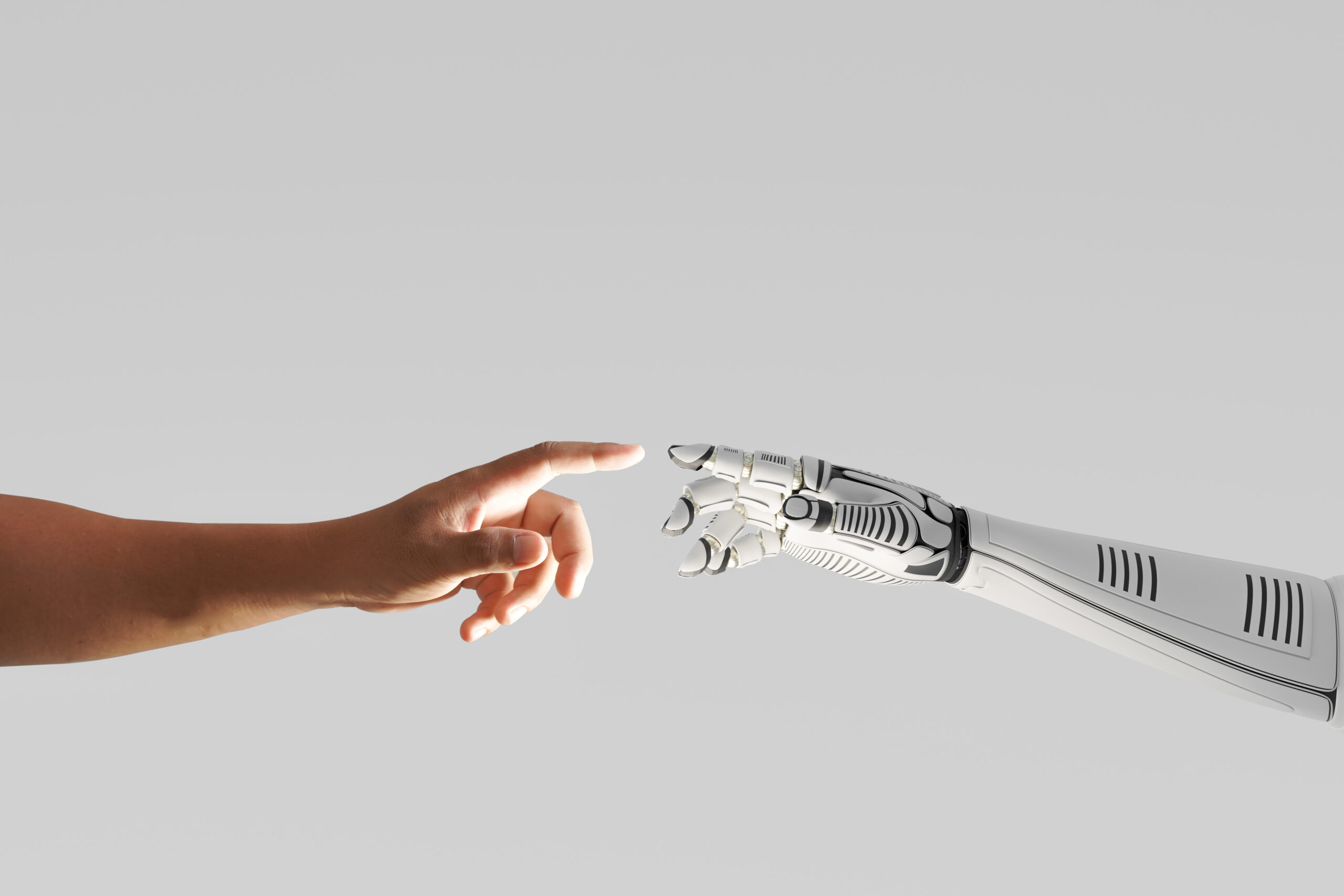
The Emotion AI Market is reshaping the digital world, and not in the chaotic, meme-fueled way we are used to. A quiet revolution is unfolding at the intersection of artificial intelligence and human psychology: the rise of Emotion AI. Once confined to sci-fi storylines and academic labs, Emotion AI is now stepping into boardrooms, call centers, classrooms, and even our living rooms.
Today, the emotion AI industry is no longer a speculative niche; it has become a rapidly scaling, multi-billion-dollar ecosystem redefining how machines understand, respond to, and even anticipate human feelings. This is not about robots shedding tears. It is about building technology that listens, not just to your words, but to your tone, your micro-expressions, your physiological signals, and your behavioral patterns. In a world increasingly hungry for authentic connection, Emotion AI offers something radical: machines that don’t just compute, but comprehend.
According to Grand View Research, the global emotion AI market size is projected to reach USD 13,397.1 million by 2033, with North America leading the adoption across various sectors, including healthcare, automotive, retail, and HR tech. Companies like Affectiva (now part of Smart Eye), Cognite, and Hume AI are pioneering platforms that not only track emotions but also contextualize them, learn from them, and adapt accordingly.
The Emotion AI Market: Where Empathy Meets Enterprise ROI
Far from being a “soft” tech trend, the emotion AI industry is delivering hard business value. In customer service, companies using emotion-aware voice analytics report up to 30% faster resolution times, as agents receive real-time emotional cues to adjust their tone or escalate appropriately.
HR platforms now utilize emotion AI apps during video interviews to assess candidate engagement, confidence, and authenticity, thereby helping to reduce unconscious bias and enhance cultural fit predictions. Retailers are also adopting this technology through smart mirrors and in-store cameras that analyze shopper reactions, enabling dynamic pricing and personalized recommendations driven by real-time emotional feedback.
Even in mental health apps, Emotion AI enables users to track their mood patterns over time and receive timely interventions or mindfulness prompts whenever signs of anxiety or low mood appear. This blend of empathy and automation is driving strong investor interest in the emotion AI market and accelerating adoption across enterprises.
Top 5 Emotion-Driven Apps in the Emotion AI Market
The rapid growth of the emotion AI market has accelerated the development of consumer-facing apps that analyze emotions in real time, making emotional intelligence a practical, everyday tool. These apps are combining psychology, behavioral science, and artificial intelligence to help users manage stress, enhance their well-being, and understand their emotional patterns more effectively. As the emotion AI industry continues to grow, these solutions are becoming more personalized, more accessible, and seamlessly embedded into digital platforms across the globe. Below are five of the leading Emotion AI apps:
- Wysa – An AI mental health companion offering mood tracking, coping exercises, CBT-based tools, and emotional pattern insights.
- Youper – An emotional health assistant that uses conversational AI and psychology frameworks to detect emotional states during chat-based interactions.
- Hume AI Apps – Tools designed for emotion-based voice interaction, enabling empathetic digital communication.
- Earkick – A real-time mental health monitoring app that uses voice, facial cues, and micro-behavioral signals for emotion assessment.
- Replika – An AI companion that adapts to user mood and conversational tone to deliver emotional support and reflective dialogues.
How Emotion AI Is Redefining Customer Understanding and Engagement
For decades, businesses measured engagement through clicks, conversions, and cart abandonment rates. But these metrics reveal only surface-level behavior. What if a user hovered over a “Buy Now” button not out of interest, but out of frustration with hidden fees? What if a customer service call ended politely, yet the caller felt unheard or dissatisfied?
Traditional analytics miss this emotional layer, the invisible driver behind every customer decision. That is where the emotion AI market is making its mark. By combining computer vision, voice analytics, natural language processing, and biometric sensors, this technology decodes real-time emotional responses to provide a deeper understanding of customer intent and experience.
The emotion AI industry enables organizations to detect stress in a customer’s voice, recognize confusion on a user’s face, or gauge enthusiasm during virtual interactions. By translating these insights into data-driven actions, businesses can personalize engagement, enhance satisfaction, and build long-term loyalty.
As adoption grows across industries such as retail, healthcare, automotive, and customer service, the market is not just redefining analytics, it is reshaping how companies connect with human emotion at scale.
Beyond Detection: How the Emotion AI Market is Redefining Human-Machine Trust
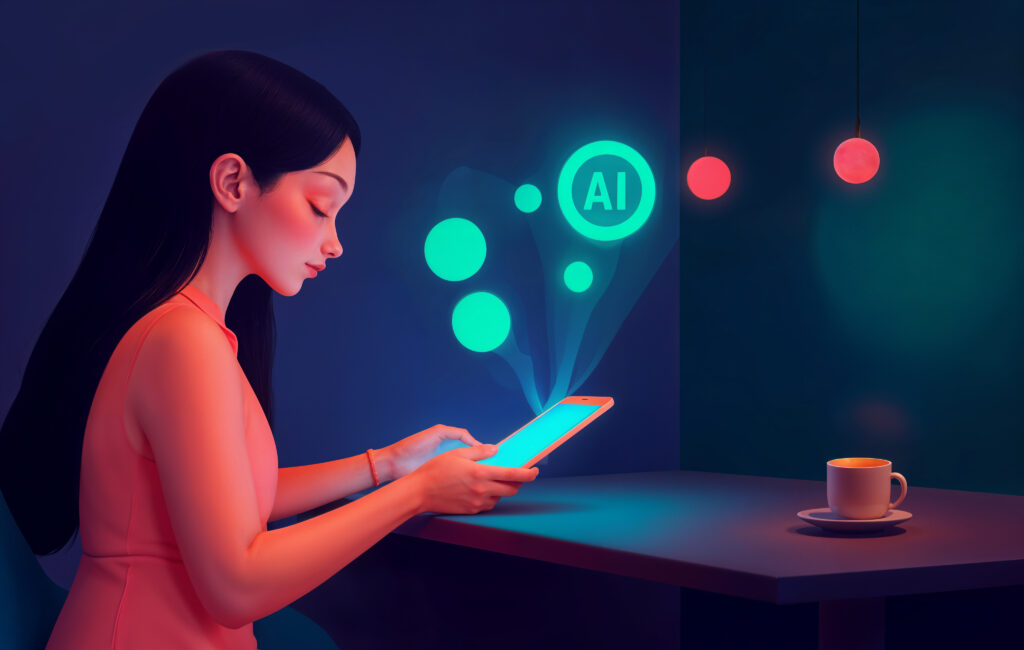
Emotion AI is not just about reading emotions; it is about building trust through responsiveness. When a machine acknowledges your frustration with a calmer interface, or a car senses your fatigue and gently suggests a break, it ceases to feel like a tool. In the evolving emotion AI market, this shift toward emotional awareness is redefining how humans interact with technology.
The next evolution of this technology moves beyond passive observation to adaptive interaction. Imagine a virtual coach that shifts from motivational to supportive based on your stress levels, or a learning platform that detects confusion and re-explains a concept using a different metaphor. These are not sci-fi scenarios; they are active R&D projects emerging from leading innovators in the emotion AI market.
Critically, this requires more than algorithms; it demands ethical design. Leading players are adopting “emotion data” governance frameworks that prioritize user consent, anonymization, and on-device processing. The goal is not manipulation, it is mutual understanding.
The Empathy Gap: Navigating Bias, Privacy, and Cultural Nuance
The emotion AI market is not without its challenges. Can an algorithm trained primarily on Western facial expressions truly understand emotions across diverse global cultures? What happens when emotional data is collected without explicit consent, or worse, used to influence rather than assist? These ethical and technical questions highlight the growing need for responsible innovation within this fast-evolving field.
These are not obstacles but design imperatives. Leading companies in this market are tackling these challenges with inclusive datasets, cross-cultural validation, and transparent consent systems. Many now require explicit opt-in for emotional analysis and let users review or delete their emotion logs, keeping privacy at the core of innovation.
Regulatory frameworks are also stepping in to ensure accountability. The EU AI Act classifies certain emotional recognition applications as “high-risk,” pushing the industry toward stricter standards for fairness, transparency, and safety. Rather than limiting growth, this regulation is strengthening the emotion AI market by building the trust needed for broader adoption.
The Bottom Line: Emotion AI is the New Data Layer
In the attention economy, the Emotion AI Market is redefining how businesses connect with people. Emotion drives loyalty, influences choices, and fuels authentic engagement. For leaders, the question is not whether to use this technology, but how to utilize it, whether in customer service, employee wellness, or product design. With ethics at the core, the future will belong not to the smartest systems, but to the most empathetic ones.