



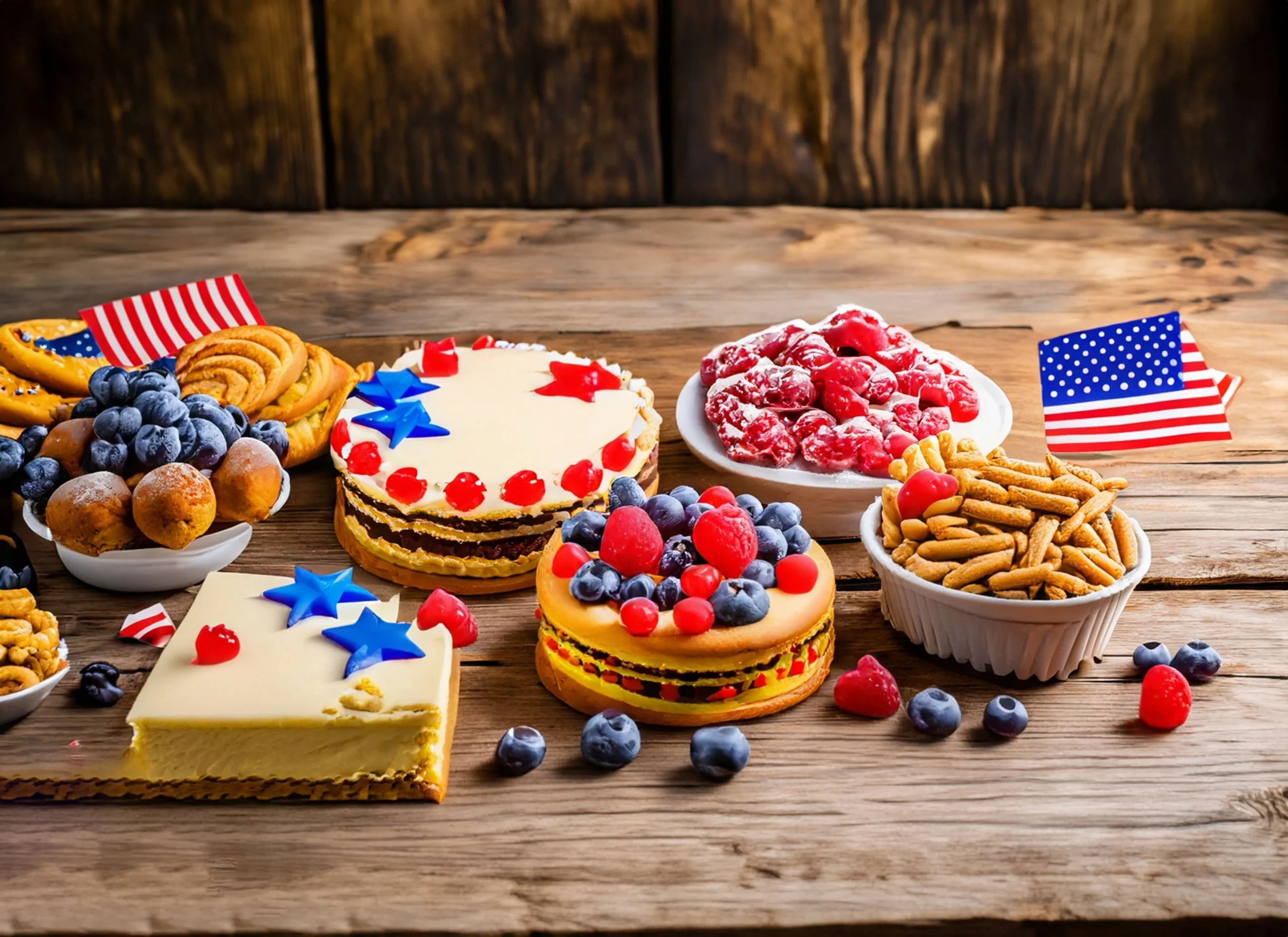
Candy is no longer just a childhood favorite, it is a fast-evolving industry that blends nostalgia with modern-day innovation.
What was once seen as an occasional treat has transformed into an everyday indulgence and even a functional snack. The confectionery industry in the United States is undergoing a major transformation, driven by changing consumer preferences, health-conscious trends, and flavor innovation. From sugar-free chocolate bars and organic gummies to mood-enhancing candy and nostalgic treats, American consumers are redefining what “sweets” mean to them.
Confectionery includes chocolates, gums, mints, candies, caramels, and a wide variety of sweet treats. Traditionally associated with holidays and impulse purchases, confectionery has now found a permanent place in daily snacking, gifting, and even wellness routines.
In the United States, the confectionery landscape is incredibly diverse, spanning mass-market chocolate, premium artisan truffles, plant-based sweets, and exotic global flavors. According to Grand View Research, the U.S. confectionery market is projected to reach USD 55.35 billion by 2030, fueled by premiumization, personalization, and the fusion of indulgence with health benefits.
A Taste of Transformation: What’s Driving the U.S. Confectionery Boom?
A combination of innovation and intention is shaping the sweet tooth of the American consumer. The following are the key trends fueling the current surge:
- Healthier Indulgence: Consumers want sweets that align with wellness goals. Products with reduced sugar, high protein, low carbs, and clean-label ingredients are gaining traction. Functional confectionery infused with vitamins, adaptogens, collagen, or probiotics is trending. Gummy vitamins and nootropic chocolates appeal to health-conscious Gen Z and millennials.
- Emotional and Nostalgic Appeal: The pandemic revived emotional snacking, with comfort found in familiar flavors. Nostalgic branding and retro packaging are resonating with adults. Classics like Necco Wafers, PEZ, and Hershey bars are making a comeback. Throwback designs and seasonal flavors help brands spark impulse buys and build loyalty.
- Premiumization and Artisan Craftsmanship: Americans are spending more on high-quality treats. Premium confectionery features small-batch production, organic ingredients, and ethical sourcing. Bean-to-bar chocolates and single-origin cocoa are in demand. Brands like Vosges and Mast Brothers offer elevated experiences for gifting or personal indulgence.
- Digital Disruption and D2C Candy Shopping: Confectionery brands are embracing e-commerce and D2C models. Subscription boxes, limited drops, and personalization boost online appeal. Platforms like Sugarfina and Dylan’s Candy Bar offer curated candy experiences. Legacy brands like Mars and Hershey are upgrading digital storefronts with faster delivery and smart recommendations.
Sugar Meets Science: The Rise of Functional Candy
Candy is not just for cravings anymore; it is becoming a wellness tool. The U.S. functional confectionery category is witnessing a boom, as consumers look for sweets that offer more than just taste.
Energy-boosting mints, calming CBD gummies, and immune-supporting chocolate bites are turning treats into daily health rituals. Products like “sleepy” gummies with melatonin or chocolates enhanced with magnesium and ashwagandha are gaining ground in retail aisles and online stores alike.
This shift is especially strong among younger consumers who view health holistically and seek multitasking products that blend pleasure with performance.
Startups Reshape the U.S. Confectionery Market
The traditional giants may still dominate store shelves, but it is the new wave of indie brands and startup disruptors that are bringing bold ideas to the U.S. confectionery scene. These nimble players are tapping into niche trends, like plant-based candies, exotic global flavors, functional ingredients, and sustainable packaging, to resonate with younger, values-driven consumers.
Brands like Hershey’s (with its organic and zero-sugar lines), Nestlé (offering clean-label and responsibly sourced treats), and Lindt (known for premium, sustainably sourced chocolate) are setting new standards for what candy can be. They are not just selling sweets; they are selling a lifestyle, one rooted in transparency, wellness, and ethical sourcing.
With digital-first strategies, Instagram-worthy packaging, and mission-driven marketing, these startups are capturing consumer attention and challenging legacy brands to evolve or risk being left behind. The future of U.S. confectionery is not just sweet, it is smart, sustainable, and startup-powered.
Beyond the Wrapper: How Storytelling, Sustainability, and Innovation Are Shaping Candy Brands
Today’s confectionery success is not just about taste, it is about brand identity, values, and connection. In the U.S., emerging and established candy brands alike are focusing on storytelling, ethical sourcing, and experiential marketing to win hearts (and shelf space).
From using fair-trade cocoa and compostable wrappers to launching AR games with every candy purchase, confectionery brands are engaging consumers in new, immersive ways. Story-driven packaging, brand activism, and influencer-driven content are turning simple sweets into cultural icons.
This shift is redefining brand loyalty, not just by flavor, but by values, innovation, and shared experience.
Looking Ahead: The Future is Sweet and Smart
The U.S. confectionery market is moving toward tech, wellness, and personalization. Unique flavor combinations, edible packaging, and AR experiences will shape future candy campaigns. Eco-friendly packaging, upcycled ingredients, and fair-trade practices will become standard as consumers demand more responsibility. Brands will balance indulgence with health and tradition with innovation. The future of sweets will blend emotional connection with functional benefits.















One Comment
Great insights! Love how the industry is mixing health trends with indulgence.