



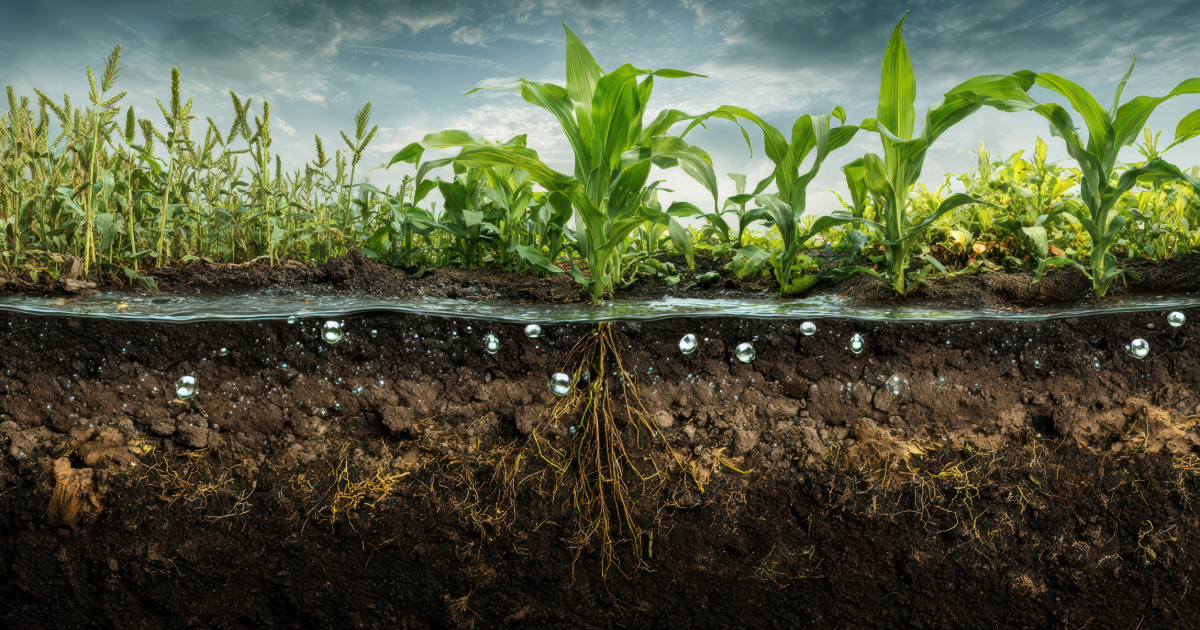
Every year on 5 December, the world celebrates World Soil Day to highlight the importance of soil for food security, climate resilience, biodiversity, and sustainable development. Sustainable agriculture and soil health preservation are deeply interconnected, and their growing importance is accelerating a major transformation in global agriculture.
Countries, companies, and farming communities are adopting sustainable and regenerative practices. These systems focus on rebuilding soil, restoring ecosystems, and supporting long-term economic stability for farmers.
This year’s theme reinforces a simple yet powerful message: healthy soils for healthy cities. Many global cities are actively participating by adopting soil health management. The market is emerging as a crucial component of this global transition.
Market Momentum
According to Grand View Research, the market is witnessing remarkable growth as global interest in sustainable and climate-smart agriculture accelerates. The global soil health management market size was estimated at USD 14.70 billion in 2024 and is projected to reach USD 31.95 billion by 2033, growing at a CAGR of 9.2% from 2025 to 2033. This rapid expansion reflects increasing investment in soil diagnostics, biological solutions, and digital soil intelligence technologies.

Why the World Is Shifting Toward Sustainable and Regenerative Agriculture
1. Rising Climate Challenges
Extreme weather, desertification, and unpredictable crop cycles encourage farmers and policymakers to adopt climate-resilient systems. Regenerative agriculture techniques such as cover cropping, crop rotation, agroforestry, and reduced tillage help restore ecological balance and support soil recovery.
2. Declining Soil Fertility
Global studies suggest nearly one-third of the world’s soil is degraded. Without timely intervention, food production faces serious risks. Regenerative practices focus on strengthening natural soil functions like nutrient cycling, carbon storage, and water retention.
3. Growing Consumer Demand for Organic Food
Millennials and Gen Z increasingly prefer sustainably grown food. This shift pushes brands and food companies to prioritize regenerative sourcing models and transparent supply chains.
4. Government Policies Promoting Sustainability
Countries are implementing soil missions, carbon credit programs, and subsidies for organic and regenerative farming, expanding adoption across regions.
Key Areas Driving the Soil Health Management Market
- Soil testing and diagnostics
- Biofertilizers and soil amendments
- Organic fertilizers
- Precision agriculture tools and sensors
- Carbon sequestration and soil analytics solutions
- Soil monitoring platforms
- Advisory and consulting services
AI-powered soil analytics, remote sensing platforms, and customized microbial inputs are transforming how farmers monitor and improve soil health. Rising demand from regenerative food brands and carbon farming companies strengthens the need for measurable soil data and restoration services.
How Regenerative Practices Strengthen the Soil Health Management Ecosystem
1. Reducing Chemical Inputs
Regenerative systems reduce dependence on synthetic fertilizers and pesticides. This shift increases demand for biofertilizers, biostimulants, compost, and organic amendments that improve soil function.
2. Increasing Soil Organic Matter
Practices like composting, mulching, and cover cropping improve soil structure and microbial diversity. This fuels demand for soil enhancement products and technical advisory services.
3. Supporting Carbon Sequestration
As governments and private companies expand carbon farming programs, soil carbon measurement tools and analytics platforms are becoming essential.
4. Boosting Precision Agriculture
Nutrient depletion and climate stress push farmers to adopt sensors, satellite imagery, and AI-powered diagnostics to optimize nutrient use and protect soil health.
The Future of Agriculture
The movement toward sustainable and regenerative agriculture is a long-term global transformation, not a temporary trend. As countries prioritize soil health, the Soil Health Management Market will play a decisive role in:
- Strengthening global food security
- Enhancing climate resilience
- Restoring biodiversity
- Reducing harmful agricultural emissions
- Supporting farmer income through regenerative premiums and carbon credits
The future of agriculture relies on restoring and protecting the planet’s most valuable natural resource: our earth and its diverse soils. This 5 December, World Soil Day encourages policymakers, farmers, businesses, and consumers to work together to safeguard soil. Healthy soil supports ecosystems, food systems, and human well-being. By investing in sustainable and regenerative agriculture, we invest in a healthier and more resilient future for generations to come.