


- AI is rapidly transforming energy distribution by improving forecasting, grid reliability, renewable integration, and real-time decision-making.
- With benefits like lower operating costs, fewer outages, and better ESG performance, AI is becoming essential for building resilient, efficient, and future-ready power grids.
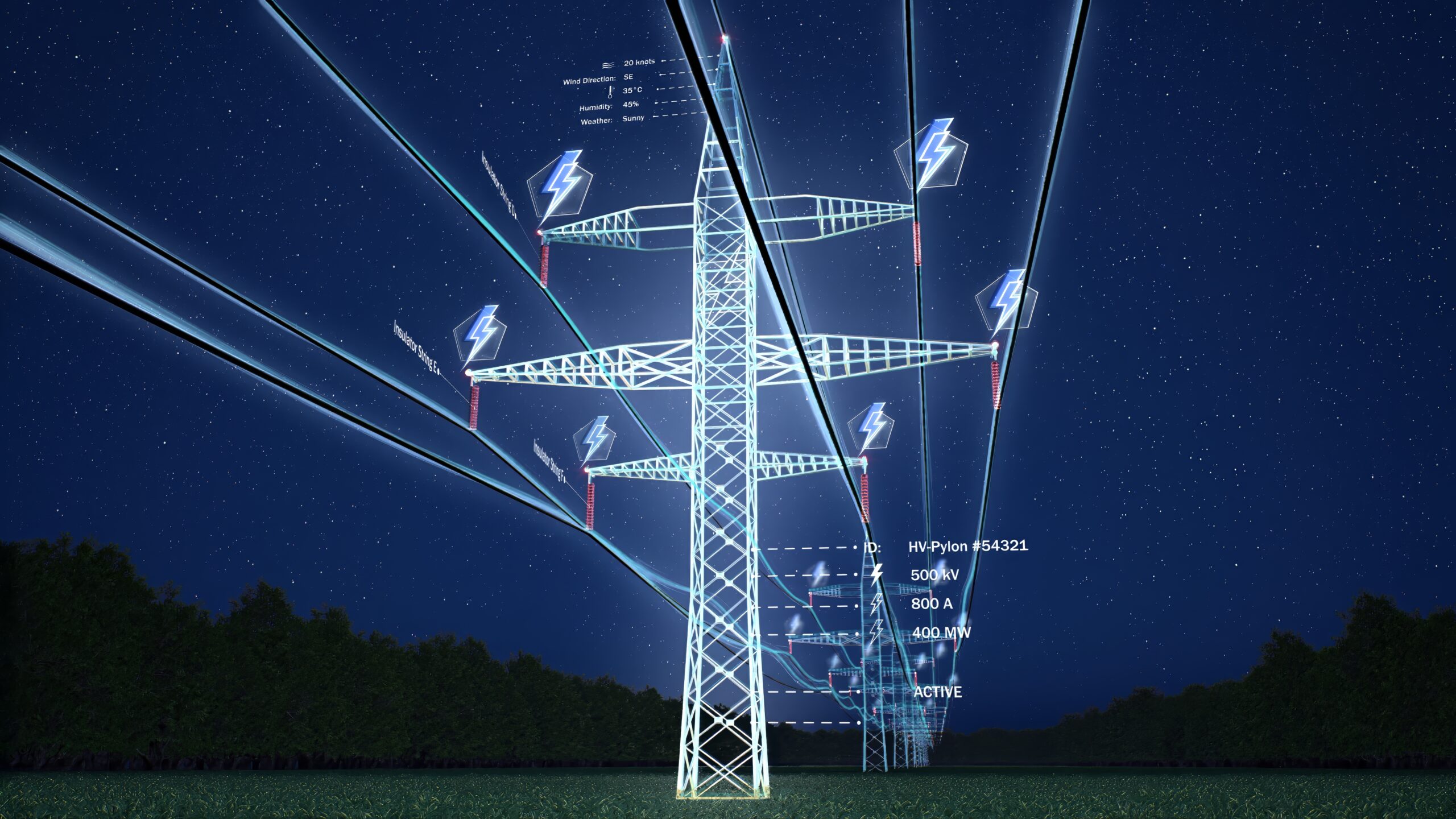
As power grids become more complex and dependent on variable renewables (solar and wind), the AI in energy distribution market finds many reasons to grow. Utilities now rely on AI for real-time monitoring, anomaly detection, and efficient coordination of distributed energy resources, helping cut costs and boost grid reliability.
The adoption of AI in energy distribution is rising as AI-powered predictive analytics and autonomous controls boost grid stability and reduce outages. With digital twins and cross-industry collaboration improving system design and monitoring, AI is becoming essential for smarter and more resilient grid management. The industry stood at $3.45 billion in 2024 and is expected to grow at a robust CAGR of 22.5% from 2025 to 2033.
Governments’ push for decarbonization and grid modernization is accelerating AI adoption for smarter and cleaner energy distribution. AI improves renewable integration, strengthens cybersecurity, and supports demand-side efficiency. It also raises investments in global smart-grid projects, driving wider use of predictive, transparent, and resilient systems. AI-driven optimization has the potential to reduce energy consumption by up to 60%.
Benefits of Using AI in Energy Distribution
Using AI in energy distribution helps utilities run power networks more reliably and at lower cost. AI systems can monitor grids in real time, quickly spot faults or unusual patterns, and predict equipment failures before they cause outages, which improves reliability for consumers. By analyzing demand and supply data, AI also helps balance electricity loads, reduce energy losses, and better integrate renewable sources like solar and wind.
- Cost-to-serve reduction: Using artificial intelligence in the energy sector ensures better short-term forecasting and automated switching. It also lowers peak purchases, reduces imbalance penalties, and shrinks energy procurement spend. This results in a direct reduction in wholesale purchases. According to the International Renewable Energy Agency (IRENA), AI-enhanced forecasting in Denmark has helped reduce operating reserve costs by 10-15%, yielding annual savings of over $9 million for users.
- Asset life efficiency: A digitalized power system also ensures improved security of supply. It offers a continuous and reliable power supply even under stress conditions. AI-equipped grids have been proven to reduce supply interruptions by up to 45% when compared to conventional grids. The reason is simple, predictive maintenance and AI-driven crew scheduling reduce failures, optimize replacement timing, and cut field labor costs.
- ESG and emission management: AI improves renewable output forecasting, reduces curtailment and enables fine-grained carbon accounting. That helps utilities and large customers demonstrate emissions reductions and meet investor/regulatory requirements.
Recent analyses show AI can increase data-center energy demand and has the potential to materially reduce emissions at scale. According to research by the Grantham Research Institute on Climate Change and the Environment and Systemiq, published in the Nature journal ‘npj Climate Action,’ AI can increase the load factor of solar photovoltaics and wind by as much as 20%.
- Customer engagement & product personalization: AI enables tailored price/tariff recommendations, usage notifications, and personalized demand response offers that increase participation and satisfaction. Better engagement translates to higher uptake of value-added services, lower churn and more predictable load profiles. Higher customer take-rates increase VPP scale and revenue per customer. Moreover, personalized offers improve conversion and retention. About 70% of U.S. consumers accept that smart technologies have helped them gain greater control over their energy consumption.
The Bottom Line
The electricity grid used to be a one-way highway once. Power flowed from big plants to consumers, and operators reacted when things broke. Today’s grid behaves more like a living marketplace. It has distributed resources, variable renewables, and new, heavy loads (data centers, EV fleets). Now, AI in energy distribution has become a mission-critical system that changes how utilities buy, sell, and balance power.