


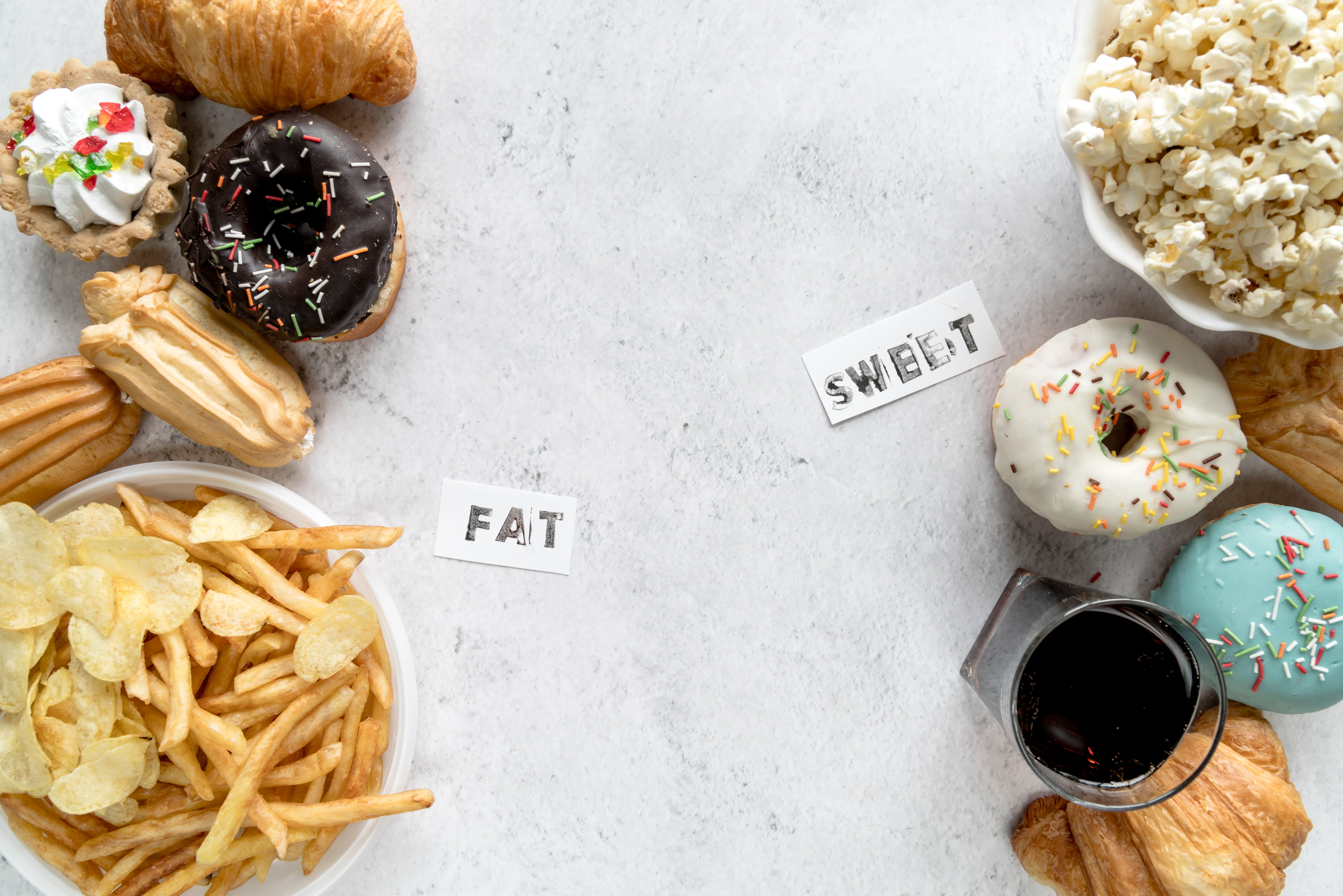
05 Jan, 2026 – The UK government has launched one of its most stringent public health interventions in years, imposing a daytime ban on junk food advertising across television and online platforms. The move, reportedly designed to curb childhood obesity, sharply restricts how and when foods high in fat, salt, and sugar (HFSS) can appear on screens watched by millions of children every day.
Under the new rules, broadcasters can no longer air HFSS food adverts before the 9 pm watershed, while paid online advertising for such products faces an outright ban.
What the Junk Food Advertising Ban Covers
Under the new rules, broadcasters will no longer air HFSS food adverts during daytime and early evening television, when children are most likely to watch. Online, the policy reportedly goes further, blocking paid junk food advertising across social media, search engines, and video-sharing platforms at all hours.
While companies may still promote brand identities without showing specific HFSS products, regulators have signaled scrutiny to prevent loopholes. The Advertising Standards Authority is likely to oversee enforcement, with penalties expected for non-compliance.
Why the Government Stepped In
Obesity in the UK is on the rise, largely driven by increasing rates across all age groups. According to government data, approximately 64% of adults in the country are classified as overweight or obese. Health officials insist the ban addresses a system that allegedly normalized unhealthy eating through constant marketing. Data suggest that children are exposed to thousands of junk food advertisements each year, shaping their food preferences well before adulthood.
Ministers also said that voluntary industry pledges failed to curb exposure. Public health experts reportedly warned that without legal restrictions, advertising budgets would continue to drown out healthier food messaging.
The government frames the ban as a necessary correction rather than an overreach, positioning it alongside wider NHS prevention goals.
What Changes the Ban Is Expected to Deliver
Officials claim the policy could remove billions of excess calories from children’s diets annually and slow the rise of obesity-related illnesses such as type 2 diabetes. The UK Government expects food manufacturers to reformulate products to remain competitive in a tighter advertising environment.
Critics, however, allegedly warn that advertising limits alone cannot fix affordability gaps or access to healthy food. Still, the government insists the ban marks a decisive shift, one that prioritizes public health over commercial influence.
As implementation approaches, the UK’s crackdown is already drawing international attention as a potential blueprint for regulating food marketing in the digital age.