


Carbine Systems, an emerging leader in deep-tech manufacturing, announced the successful completion of indoor static testing for H.A.R.A. Mk-1 (Hyper Amplification Radiant Array). The 10kW-class Directed-Energy Weapon (DEW) prototype marks a historic milestone for India’s private defense sector, demonstrating indigenous capability in high-energy laser architectures and beam stability.
While the primary application of H.A.R.A. Mk-1 lies in the small arms and light weapons (SALW) market, specifically as a counter-UAS (Unmanned Aerial System) and precision strike tool, the core technology stack reveals a strategic bridge into the global market.
Why This Matters
The H.A.R.A. Mk 1 is more than a technical milestone; it signals a fundamental evolution in industrial capability:
- Tangible Deep-Tech: Directed-energy platforms have transitioned from theory to reality within India’s private sector.
- Unified Innovation: Advanced manufacturing, photonics, and defense science are merging into a singular, versatile capability stack.
- Agile Execution: Specialized, high-velocity teams are now mastering complex domains previously limited to government-led initiatives.
- Methodical Growth: The future of technological sovereignty is being constructed quietly, focusing on precision and long-term impact.
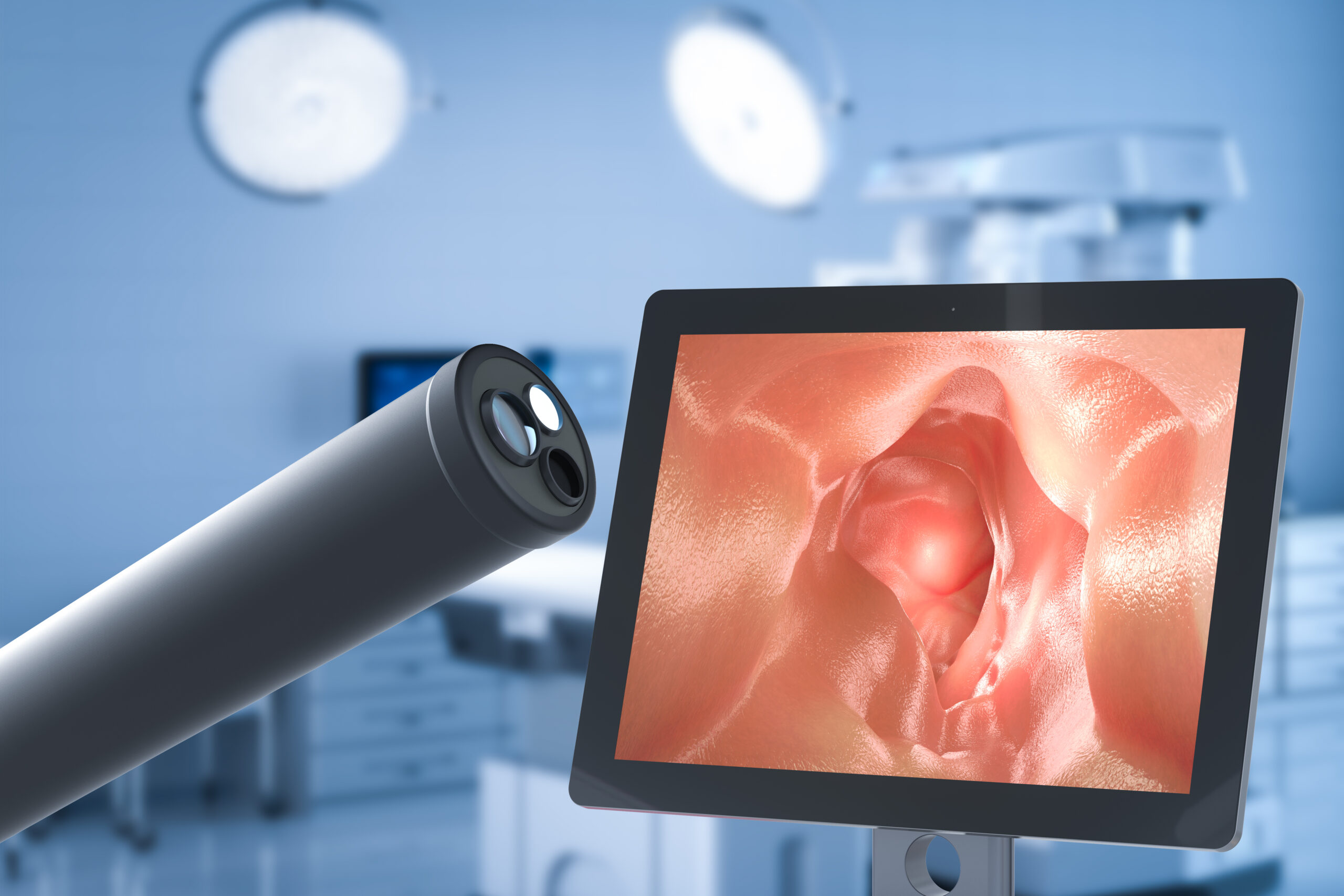
The successful testing of H.A.R.A. positions Carbine Systems at the intersection of two critical industries. As India moves toward Atmanirbhar Bharat (Self-Reliant India), the dual-use nature of H.A.R.A.’s underlying technology provides a roadmap for indigenous growth in both sovereign security and high-end life-sciences instrumentation.