




Key Highlights
- Crude oil production policies and export routes influence global fuel costs.
- Gas storage, pipeline reliability, and LNG competition shape regional prices.
- Renewable variability can increase reliance on dispatchable power generation.
- Coal prices reflect both power-sector needs and steelmaking demand.
- Uranium follows a distinct long-term cycle linked to nuclear investment.
In this article
Why Energy Sourcing Requires Better Market Visibility
Five Drivers Behind Global Energy Price Movements
Why Energy Sourcing Requires Better Market Visibility
Energy prices are shaped by more than supply and demand in a single market. Crude oil, natural gas, coal, uranium, electricity, LNG, and marine fuels respond to different production, infrastructure, geopolitical, and seasonal factors. A disruption in one part of the energy chain can affect costs across several connected markets.
For energy producers, utilities, procurement teams, and industrial buyers, understanding these relationships is essential to managing budgets and protecting operating margins. Energy pricing intelligence helps organizations move beyond reactive purchasing by connecting regional price movements with the conditions driving them.
Five Drivers Behind Global Energy Price Movements
1. Crude Oil Production and Export-Route Availability
Crude oil remains a major reference point for global energy costs. Production decisions by OPEC+ members can influence available supply, while geopolitical developments and disruptions around maritime chokepoints can restrict export-route availability. Changes in import logistics can also create regional differences, as seen in the pricing fluctuations described for India.
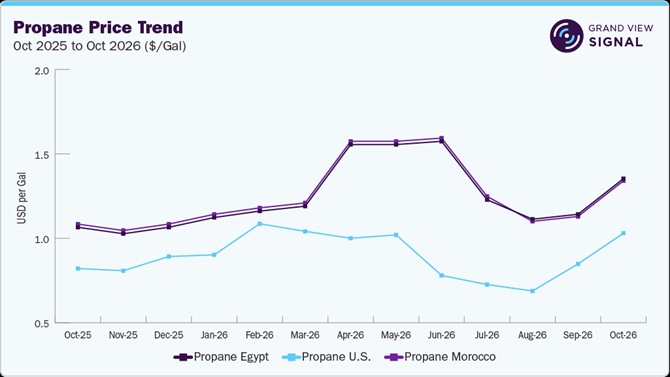
Get Full Access to Price Trends & Market Drivers.
These pressures can extend into refined and secondary fuels, including propane, marine gas oil, and very low sulfur fuel oil (VLSFO). Buyers therefore need to monitor both crude benchmarks and the physical routes used to move energy commodities.
2. Natural Gas Storage and Pipeline Reliability
Natural gas prices depend heavily on infrastructure and seasonal demand. European storage levels and pipeline integrity are important indicators of supply resilience. When wind generation falls, gas-fired power plants may be called upon to support electricity supply, increasing gas demand.
Liquefied natural gas (LNG) connects regional markets, but it can also intensify competition. European and Asian utilities may compete for spot cargoes during peak demand periods, shifting regional premiums. Procurement teams should therefore assess pipeline exposure alongside seaborne LNG availability and benchmarks.
3. Power Generation Requirements and Availability
The growth of renewable generation has increased the importance of balancing variable output with dispatchable capacity. Installed generation capacity does not necessarily guarantee that electricity is available when required. When wind or other renewable output declines, thermal power plants may need to compensate, transmitting coal and natural gas costs into spot electricity prices.
The source highlights India’s concerns over declining coal stocks at power plants and emergency procurement measures. It also notes European electricity price movements linked to changes in wind conditions. Monitoring fuel inventories, generation availability, and renewable output together gives buyers a more complete view of power-market exposure.
4. Mine Output and Steelmaking Demand
Steam coal and coking coal serve different demand drivers. Steam coal is closely associated with power generation and fuel inventory requirements, while coking coal is tied to steelmaking activity. Mine output constraints, labor negotiations, and export regulations can affect supply, while changes in steel production influence coking coal consumption.
This distinction matters to buyers: a single headline about coal demand may conceal different market conditions across power and metallurgical grades. Procurement analysis should track the relevant grade, region, and end-use sector.
5. Uranium Supply and Reactor Development
Uranium follows a different trajectory from many fossil fuels. Its market is influenced by primary supply, processing capacity, long investment cycles, and expectations for nuclear reactor development. Interest in extending existing reactors and developing small modular reactors (SMRs), alongside decarbonization objectives, contributes to long-term expectations for nuclear fuel demand.
For energy planners, uranium therefore requires a longer-term supply-security perspective rather than relying only on short-term fossil fuel indicators.
Turning Energy Intelligence Into Smarter Sourcing
A robust sourcing process should combine current price assessments with historical context and analysis of the drivers behind market changes. Grand View Signal offers coverage of more than 200 primary and secondary energy commodities, including granular average selling price (ASP) metrics across major regions. Its historical datasets extend beyond ten years, supporting the review of market cycles and seasonal patterns.
Predictive forecasting and driver analytics can help teams evaluate supply bottlenecks, geopolitical risks, and regional trade disruptions. These capabilities are most useful when incorporated into a consistent procurement process: compare regional benchmarks, review supply and infrastructure indicators, test sourcing scenarios, and align purchasing decisions with operational requirements.
Frequently Asked Questions
1. What are the main drivers of global energy prices?
Key drivers include crude production policy, export-route availability, gas storage, pipeline reliability, power generation requirements, coal supply, industrial demand, and uranium market developments.
2. How do LNG markets affect regional energy prices?
LNG cargoes connect regional markets. Competition between buyers in Europe and Asia can change spot availability and regional price premiums.
3. Why can renewable energy variability influence electricity prices?
When renewable output falls, dispatchable generators such as gas- or coal-fired plants may be needed, linking fuel costs to spot electricity prices.
4. Why should buyers distinguish steam coal from coking coal?
Steam coal is primarily associated with power generation, whereas coking coal is closely linked to steelmaking demand. Their supply and pricing drivers can differ.
5. How does energy pricing intelligence support procurement?
It combines price benchmarks, historical data, forecasts, and market-driver analysis to help buyers assess exposure, compare regions, and plan sourcing decisions.