




Key Highlights
- Upstream feedstock costs strongly influence organic chemical pricing.
- Methanol recorded a 7.4% month-over-month average price increase.
- Butyl acetate producers face diverging acetic acid and n-butanol costs.
- Indian acid manufacturers face significant exposure to imported sulphur.
- Downstream purchasing resistance limits manufacturers’ pricing flexibility.
In this article
The Changing Economics of Global Chemical Pricing
Organic Chemical Markets Face Uneven Cost Pass-Through
Inorganic Chemicals Face a Different Supply Challenge
China and India Reveal Different Regional Pricing Risks
Four Strategic Priorities for Chemical Procurement Teams
Turning Chemical Market Intelligence Into Procurement Advantage
The Changing Economics of Global Chemical Pricing
The global chemicals industry is navigating a challenging pricing environment shaped by fluctuating feedstock costs, production adjustments, logistics disruptions, and uneven industrial demand. While rising upstream raw material expenses create cost pressure for manufacturers, downstream buyers are increasingly cautious about accepting higher prices.
This disconnect is changing how chemical producers manage margins, inventories, and production capacity. For procurement managers, manufacturers, and commodity traders, understanding these interactions through chemical pricing intelligence is essential for anticipating market movements and making informed sourcing decisions.
Organic Chemical Markets Face Uneven Cost Pass-Through
Organic chemical pricing is closely connected to upstream inputs such as crude oil, naphtha, benzene, propylene, and methanol. According to the original market analysis, upstream feedstock fluctuations demonstrate an 85%+ price correlation coefficient with intermediate and downstream derivative pricing across global spot markets.
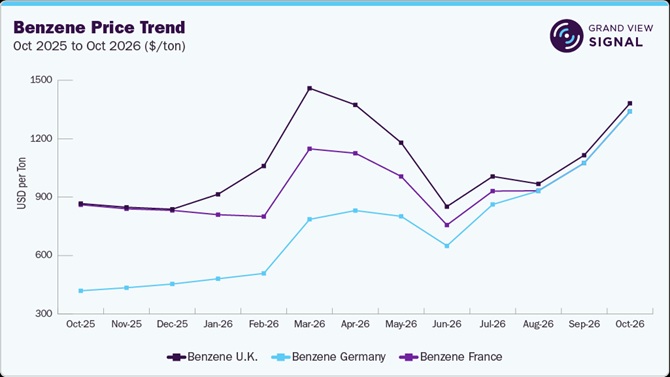
Get Full Access to Price Trends & Market Drivers.
However, this relationship does not mean every increase in raw material costs translates directly into higher selling prices. Inventory availability, production utilization, and downstream purchasing sentiment determine how much cost inflation manufacturers can pass along.
Methanol Prices Reflect the Supply-Demand Disconnect
The methanol market illustrates this imbalance. Higher production and import costs, combined with tightly managed inventories in coastal import hubs, have supported seller pricing positions.
Methanol recorded a 7.4% month-over-month average price increase across key regional markets while maintaining a Medium Volatility Index.
Nevertheless, downstream manufacturers producing formaldehyde, acetic acid, and olefin derivatives continue to face margin pressure. Many buyers prefer spot purchases based on immediate production requirements rather than committing to larger contractual volumes. This limits producers’ ability to transfer higher methanol costs to customers without risking reduced sales volumes.
Butyl Acetate Producers Navigate Conflicting Feedstock Signals
The acetate solvent market presents another example of uneven cost transmission. Butyl acetate production depends primarily on acetic acid and n-butanol, but these inputs have demonstrated different pricing directions.
Elevated upstream raw material costs and reduced operating rates have supported acetic acid prices. Conversely, declining n-butanol prices have partly offset the cost pressure faced by butyl acetate manufacturers.
To prevent inventory accumulation amid weaker demand from coatings, inks, and adhesives manufacturers, solvent producers have reduced average operating rates to approximately 65%–70% of installed capacity. Planned maintenance and production adjustments have helped balance spot availability against subdued purchasing activity.
Inorganic Chemicals Face a Different Supply Challenge
Unlike organic chemicals, whose pricing structures are closely connected to petrochemical and energy inputs, inorganic chemicals are heavily influenced by mineral availability, extraction economics, energy-intensive processing, and international trade flows.
Why Sulphur Matters to Mineral Acid Pricing
Sulphur is a foundational raw material for sulphuric acid production, which supports phosphate fertilizers, mining, and various industrial chemical applications.
Because sulphur is primarily generated as a byproduct of oil refining and natural gas processing, changes in refinery throughput, processing patterns, and environmental regulations can affect its availability.
When international sulphur supply tightens, sulphuric acid and phosphoric acid manufacturers face higher input costs. These pressures can extend across industrial value chains, particularly in markets dependent on imported raw materials. Securing long-term sulphur supply agreements has therefore become an important consideration for inorganic chemical producers.
China and India Reveal Different Regional Pricing Risks
Regional chemical markets do not respond uniformly to global cost movements. Domestic production structures, import exposure, inventory strategies, and industrial demand create distinct pricing conditions.
China: Production Discipline Meets Cautious Buying
Chinese manufacturers have supported prices across several organic chemical chains through operating-rate adjustments and disciplined inventory management.
However, downstream sectors such as resins, industrial coatings, textiles, and consumer goods continue to manage working capital carefully. Buyers generally prioritize immediate order requirements over inventory accumulation.
This purchasing restraint creates resistance to sustained price increases, even when upstream raw material costs remain elevated.
India: Imported Feedstocks Create Supply Vulnerabilities
India faces a different challenge because several inorganic chemical and fertilizer manufacturers depend heavily on overseas raw materials.
According to the original analysis, Indian domestic acid manufacturers rely on overseas supply for more than 60% of their elemental sulphur requirements. Shipping bottlenecks and international sulphur price movements can consequently increase landed production costs.
Supplier diversification, strategic import relationships, and longer-term procurement agreements are important considerations for managing this exposure.
Four Strategic Priorities for Chemical Procurement Teams
1. Monitor Upstream and Downstream Indicators
Track crude oil, naphtha, benzene, propylene, methanol, sulphur, and relevant derivative prices alongside end-user demand. This helps identify where cost pressures may be absorbed rather than passed through.
2. Evaluate Supplier Contracts Against Market Benchmarks
Compare contractual prices with dynamic average selling price benchmarks. Flexible indexing mechanisms tied to relevant feedstocks can help organizations manage changing market conditions.
3. Incorporate Production and Freight Intelligence
Monitor plant turnarounds, unexpected outages, utilization rates, shipping costs, and import availability. These factors can influence regional supply balances and delivered procurement costs.
4. Strengthen Supply Security
Diversify sourcing channels and evaluate long-term supply agreements, particularly for imported raw materials. Historical pricing datasets can also help distinguish temporary supply disruptions from structural market changes.
Turning Chemical Market Intelligence Into Procurement Advantage
Chemical pricing decisions require more than tracking individual commodity prices. Understanding the relationship between upstream feedstocks, production economics, freight movements, and downstream purchasing behavior provides a more complete view of market conditions.
Grand View Signal’s chemical pricing intelligence helps industry participants monitor these interconnected market drivers, benchmark raw material costs, and evaluate regional supply developments. Consistent market monitoring enables procurement teams to make more informed purchasing decisions, manage input cost exposure, and strengthen supply chain resilience.
Frequently Asked Questions
1. What drives global chemical pricing trends?
Feedstock costs, production capacity, inventory levels, downstream demand, freight rates, and international trade conditions influence chemical prices.
2. Why do chemical manufacturers struggle to pass on higher costs?
Downstream buyers may resist price increases, purchase only immediate requirements, or reduce volumes when higher costs threaten their margins.
3. How does methanol influence organic chemical markets?
Methanol serves as an important feedstock for derivatives such as formaldehyde and olefin-related products, making its price movements relevant to downstream manufacturing costs.
4. Why is sulphur important to India’s chemical industry?
Sulphur is essential for sulphuric acid production, and India’s reliance on imported elemental sulphur exposes domestic manufacturers to international price and logistics disruptions.
5. How can chemical pricing intelligence improve procurement?
It helps buyers monitor feedstocks, benchmark prices, evaluate regional supply conditions, and align sourcing decisions with changing market fundamentals.