




Key Highlights:
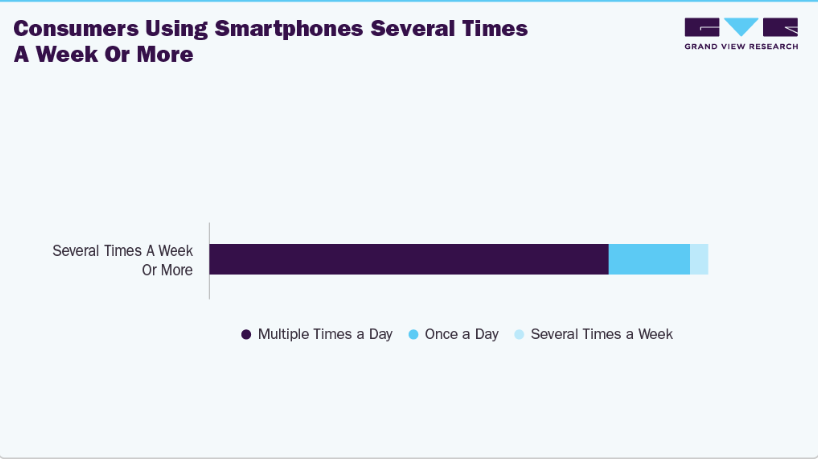
- 80% of U.S. consumers interact with their smartphones multiple times a day, yet upgrade intent is low as devices are now treated as utilities rather than objects of desire.
- Replacement decisions are no longer driven by excitement or new features. Consumers upgrade only when battery life declines, performance slows down, or physical damage forces a change.
- Consumers consistently prioritize reliability over speed, battery endurance over capacity claims, and value over premium positioning when evaluating a new device.
- Apple and Samsung dominate brand awareness, but high recognition is masking a deeper problem. Most brands still rely on feature-led launch cycles that are built for media attention, not consumer readiness.
- U.S. smartphone consumers are not one uniform audience. Distinct groups upgrade on planned cycles, research extensively before buying, or simply default to familiar brands out of habit, making one-size-fits-all messaging ineffective.
Smartphones are among the most widely used consumer products in the United States, yet they are increasingly difficult to replace from an emotional standpoint.
Consider Marcus, a representative consumer shaped by common usage patterns across U.S. smartphone consumers. He relies on his device throughout the day for work, entertainment, navigation, payments, and communication. Despite this heavy dependence, he has no immediate plans to upgrade, even though affordability is not a barrier.
His phone continues to perform reliably and integrates seamlessly into his daily routine. And that is exactly the challenge smartphone brands are now grappling with.
Consumer insights from Grand View Research indicate that while smartphone usage remains deeply embedded in daily life, purchase intent has shifted decisively from aspiration to necessity. Consumers are not looking for the next best device. They are looking for reassurance that the one they own will continue to work.
The Maturity Trap in U.S. Smartphones
Smartphones have reached a level of maturity where they have effectively disappeared from conscious consideration.
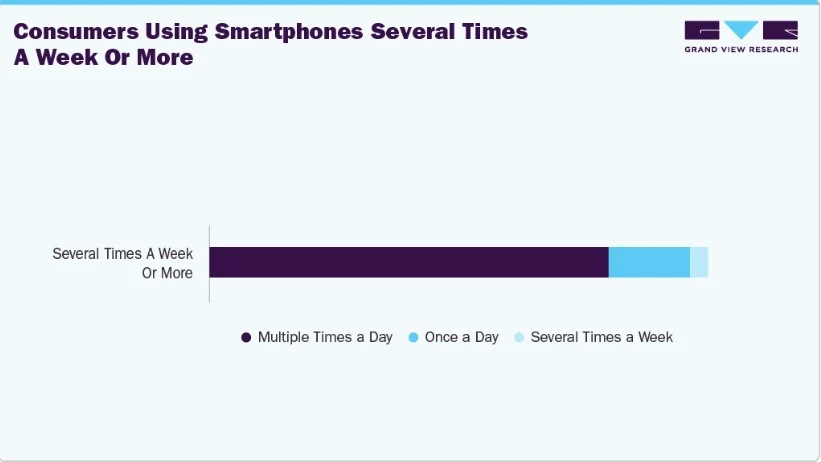
80% of U.S. consumers interact with their smartphones multiple times a day for AI assistance, digital payments, gaming and entertainment, social media, and other uses. However, replacement decisions are increasingly delayed. High engagement no longer translates into high urgency. Instead, smartphones are now treated as utilities rather than objects of desire.
This creates a structural paradox for brands.
- Usage is continuous, but upgrade intent is infrequent
- Feature additions feel incremental rather than transformative
- Emotional attachment is low, even as dependency is high
The result is a category where attention is abundant, but purchase motivation is scarce.
What Actually Triggers a Purchase Today
For most U.S. consumers, smartphone purchases are no longer driven by excitement or novelty. Instead, they are driven by necessity and performance gaps.
Replacement of existing smartphones is typically triggered when a device fails to meet basic expectations. This includes declining battery life, performance slowdowns, software incompatibility, or physical damage.
When consumers evaluate new devices, they prioritize outcomes over specifications:
- Reliability over speed benchmarks
- Battery endurance over technical capacity claims
- Camera consistency over megapixel escalation
- Value over premium positioning
This signals a broader behavioral shift. Consumers are no longer impressed by feature density. They are fatigued by it.
Where Legacy Approaches Fall Short
Brand awareness in the U.S. smartphone market is concentrated among a small group of established players, with Apple and Samsung dominating consumer consideration and preference.
However, high awareness is masking deeper structural weaknesses.
Many brands continue to rely on feature-led narratives and annual launch cycles designed for media attention rather than consumer readiness. This creates a disconnect between how brands communicate and how consumers actually make purchase decisions.
Another critical gap lies in overcommunication. Technical jargon, dense specifications, and exaggerated innovation claims tend to overwhelm rather than reassure consumers. Most users are not looking to be educated on technology. They are looking to simplify their decision-making process.

What U.S. Smartphone Consumers Say They Value
- Performance reliability, not speed benchmarks
- Battery endurance, not battery capacity specifications
- Camera quality, not megapixel counts
- Value for money, not premium positioning
- Durability, not design innovation
As complexity increases, trust declines. Brands that simplify communication are more likely to build long-term credibility and influence purchase decisions.
Understanding Behavioral Segments, Not Just Market Share
U.S. smartphone consumers are not a single, uniform audience. Voice of Customer patterns reveal distinct behavioral segments that respond to different purchase triggers.
Some consumers are deeply embedded within brand ecosystems. They plan upgrades in advance and prioritize compatibility over novelty.
Others take a more practical approach. They conduct extensive research and upgrade only when necessary, often once every five years.
A third group treats smartphones as interchangeable utilities and defaults to familiar brands out of habit.
Applying uniform messaging across these segments reduces relevance and weakens brand impact.
Strategic Implications for U.S. Smartphone Brands
The evolving behavior of U.S. smartphone consumers signals the need to recalibrate both strategy and execution.
Shift from novelty to performance credibility
Consumers enter the purchase journey with clear intent. Brands must focus on durability, reliability, and long-term usability instead of short-term innovation cycles.
Simplify the value proposition
As replacement cycles extend, products must clearly communicate value through real-world outcomes rather than feature lists.
Rebuild trust through clarity
Clear and confident messaging is more effective than excessive claims. Transparency is achieved through simplicity, not volume.
Compete on total ownership value
Consumers increasingly evaluate smartphones based on longevity, retained value, and ecosystem compatibility rather than just upfront pricing.
Segment strategy by behavior, not demographics
Different consumer mindsets require tailored messaging. A one-size-fits-all approach reduces effectiveness.
How Brands Can Win in a Slower Upgrade Cycle
The U.S. smartphone market is not declining. It is maturing.
In mature categories, growth does not come from making products more exciting. It comes from making them more dependable, better integrated, and easier to use over time.
Future winners will be brands that:
- Extend device relevance through long-term software support and battery health optimization
- Reduce friction through seamless ecosystems and intuitive user experiences
- Monetize customer relationships between purchase cycles, not just at the point of replacement
- Simplify choices and reduce information overload for consumers
The brands that succeed will not be those that demand attention, but those that earn long-term trust and patience. As research highlights consumers rely on their devices every day but replace them only when necessary, the real competition is not for awareness.
It is for the moment when the smartphone stops meeting expectations.
It is time to look beyond surface-level trends and understand what is truly shaping U.S. smartphone upgrade cycles, brand loyalty, and long-term growth. Access deeper consumer insights to guide your next strategic move!