


A decade ago, brands thought of creators as “influencers” who could just sprinkle awareness on a campaign. Today, they have evolved into growth partners, product co-designers, and even retail anchors. A creator can generate more trust in a 30-second reel than a TV spot. Platforms such as YouTube, Amazon, and Pinterest are racing to build new tools that turn videos into storefronts, creators into distributors, and collaborations into new product lines.
Businesses now have a plug-and-play system of growth they can activate on demand. In B2B, trust matters more than reach. Businesses should identify micro-creators who are known as subject-matter experts (analysts, consultants, niche educators) and partner with them for webinars, thought leadership videos, or LinkedIn campaigns. YouTube Open Call and Meta Creator Marketplace are expanding into professional categories, letting B2B brands tap into niche creators too.
The global creator economy market is expected to reach $1,345.54 billion by 2033, and the businesses/brands end-use segment is expected to witness the fastest CAGR during the forecast period of 2025 to 2033. Becoming a YouTuber or TikToker is now the top career aspiration for Gen Alpha. So, let’s have a look at some proven ways to use the creator economy for brand and business expansion.
- Co-create or Co-brand Products
When creators co-design a product, they bring not only design ideas but also a ready-made audience willing to try it. This can shorten product validation cycles and reduce launch risk. Research by global creator agency, Billion Dollar Boy, shows that 88% of creators have launched their own product. Pinterest partnering with Chamberlain Coffee in June 2025 to launch a Sea Salt Toffee blend is a good example. This is the first co-branded global product in Pinterest’s 15-year history.
- Build an Always-On Creator Network
Instead of one-off influencer deals, brands are now building structured networks of creators who act as an extension of their marketing team. This gives them continuous content flow, wider reach, and more authentic storytelling. Creating a roster of 20–50 creators across different tiers (nano, micro, macro), rotating campaigns to avoid fatigue, keeping consistency in storytelling, and providing exclusive access or insider information to deepen their connection with the brand can be some useful steps. In June 2025, Lowe’s Creator Network partnered with MrBeast and other DIY/home creators. MrBeast has a curated storefront on Lowes.com, showing how a retailer can integrate creators into its core commerce strategy.
- Turn Videos into Shops
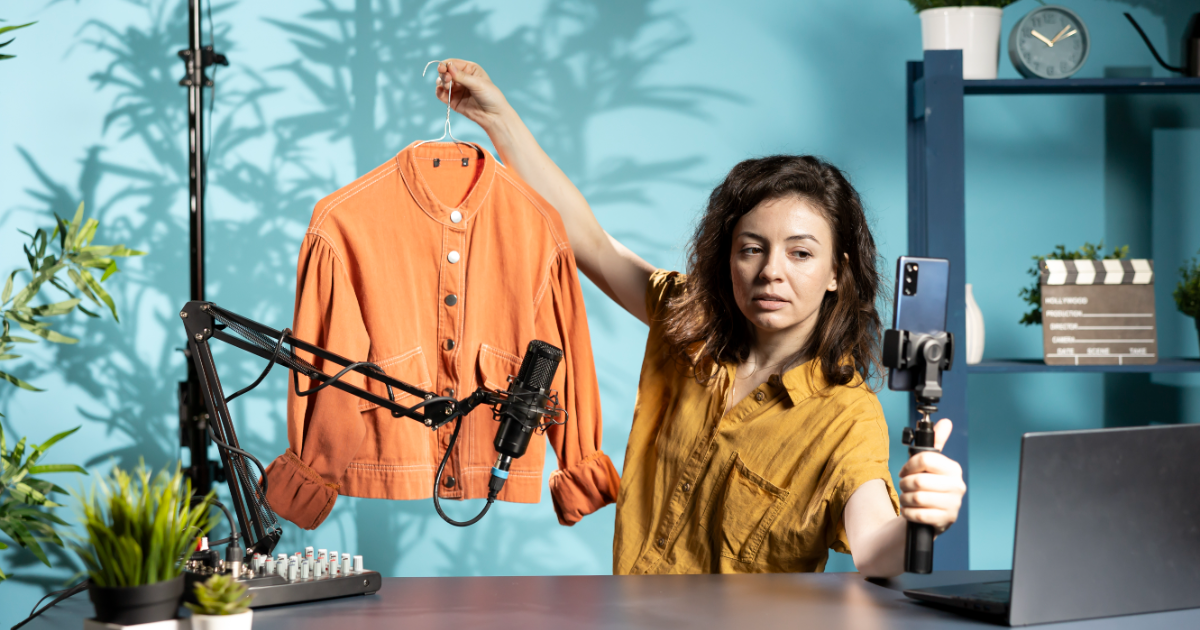
Creators excel at turning content into immediate conversions because their followers see them as peers. Embedding purchase paths into video removes friction. For example, YouTube Shopping Tags or TikTok Shop can be used to let buyers click and buy while watching. Brands need to encourage creators to host live shopping streams, where urgency and scarcity can drive impulse purchases. Traditional influencer marketing was messy. Today, marketplaces act as B2B links for creators and brands, cutting deal times and ensuring campaign tracking.
- Affiliate and Rev-Share Programs
This model aligns incentives as creators get paid when they sell. It attracts creators who genuinely believe in the product, because their income depends on conversion. Some brands provide bonus tiers for top sellers and share performance data so that creators can optimize content. For example, Amazon Creator Connections gives brands tools to set bonus commissions and track ROI directly inside Amazon, making it seamless to scale performance marketing with creators.
Final Thoughts The creator economy has quietly become one of the most scalable engines of brand growth. It is a structural shift in how demand is generated and monetized. Creator ads outperform traditional brand assets because they blend in with feeds. Viewers see them as authentic recommendations instead of polished ads. Platforms such as YouTube, Meta, Amazon, TikTok, and Pinterest are building commerce ecosystems where creators are the new distribution layer.