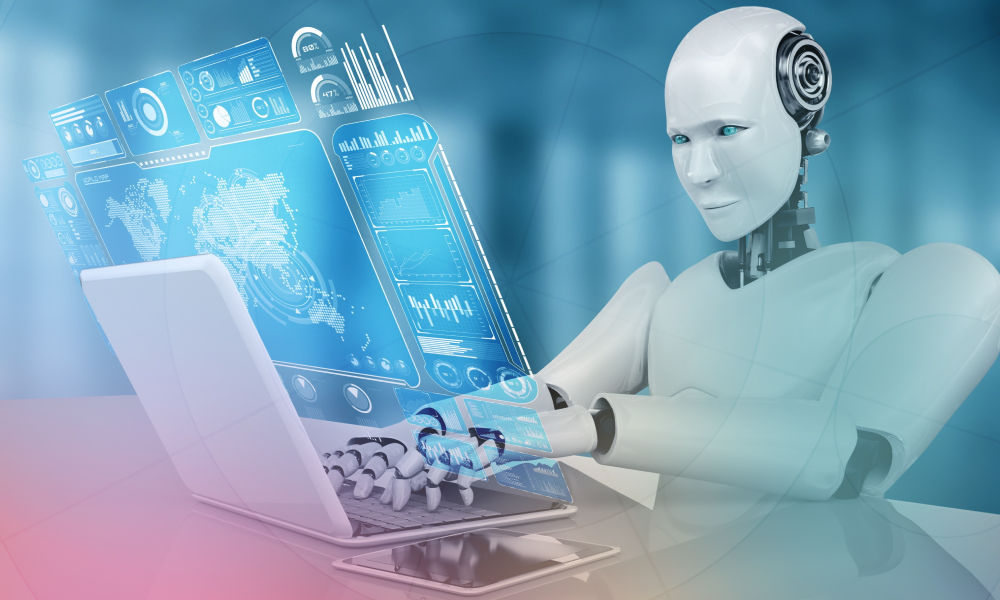
In 2025, Morgan Stanley quietly revealed a striking result: its internally developed AI tool, DevGen.AI, had already saved over 280,000 developer hours by translating legacy code into clear, modern specifications. This wasn’t a flashy demo—it was a real achievement inside a major financial institution. Even more interestingly, Morgan Stanley emphasized the tool wasn’t built to replace developers. Instead, it cleared away the drudgery, letting human engineers focus on modernization and innovation while keeping most tech job openings intact.
Stories like Morgan Stanley are becoming common. Across industries, AI in software development is moving from an experimental buzzword into an everyday helper. Developers are searching for terms like GitHub Copilot, AI testing tools, and AI code review, to figure out how to fit them into their workflows.
Why this moment matters
The momentum behind generative AI coding is not just about new tools, but about maturing expectations. Companies that once tested AI assistants on side projects are embedding them in production pipelines. Cloud platforms now offer instant access to pretrained models, regulators are issuing guidance on secure use, and engineers are discovering where AI actually saves time versus where it creates new risks. This rise in the use of Artificial Intelligence (AI) in software development is projected to witness revenues crossing USD 15 billion by 2033 at a mindboggling CAGR of 42.3%.
Why AI Tools Are Becoming Essential for Developers
Smarter developer assistants. AI helpers are now capable of generating functions, suggesting refactors, and even explaining unfamiliar code. Developers can cut down on repetitive tasks and spend more time thinking about architecture and business logic.
Rising productivity pressure. Companies face relentless demand for faster releases. With AI DevOps integrations, teams can shorten cycles from design to deployment, which gives businesses a sharper competitive edge.
Cloud-driven accessibility. The rise of managed model services means even small startups can use automated code generation without heavy infrastructure. AI no longer requires massive budgets — it’s accessible to anyone with a cloud account.
Governance and trust. Standards and regulations now treat AI as part of the software development lifecycle. That means enterprises can adopt AI tools with greater confidence, knowing compliance frameworks and security practices are beginning to catch up.
The Quiet Innovations That Are Reshaping Software Teams
Natural Language to Code: Generative AI can translate plain-language descriptions into functioning code, bridging jargon gaps between technical and non-technical teams. Tools like GitHub Copilot no longer just autocomplete snippets; they understand project context, predict intent, and adapt to coding style. For junior engineers, this feels like pairing with a mentor who quietly offers suggestions as you type.
AI-assisted testing and QA: Modern AI testing tools can generate complex test scenarios that catch bugs earlier. Imagine automatically generating dozens of load and security tests for an API — that’s time saved and reliability gained. Example: Diffblue Cover building full Java test suites.
Intelligent code review: Code review is tedious but critical. With AI code review tools, teams get help spotting vulnerabilities, memory leaks, or inefficient patterns that humans might miss under deadline pressure. Example: Snyk AI surfacing security issues with context-aware fixes.
Agentic DevOps workflows: AI DevOps agents are beginning to string together tasks: generating code, triggering tests, updating documentation, and even managing CI/CD pipelines. Instead of waiting for a handoff, the system nudges work along, cutting hours from delivery cycles.
Low-code AI platforms: Business users are building apps by describing them in natural language. Developers still oversee and secure the outputs, but low-code AI is expanding the pool of who can create useful internal tools. Example: enterprise low-code suites embedding generative AI modules.
Model monitoring and observability: AI in production can drift, producing less accurate outputs over time. Teams are adopting model observability tools that track performance and version history, making AI-driven development more predictable.
Challenges and Considerations
Despite clear benefits, integrating AI in software development brings challenges that teams must address. Model accuracy still depends on high-quality training data, which makes unchecked code suggestions risky without human review. Intellectual property concerns arise when AI tools train on public repositories that may contain licensed code, so companies need usage policies that clarify ownership. Skill gaps in prompt engineering, ethical AI practices, and model tuning require ongoing training programs. Finally, algorithmic bias and security vulnerabilities in AI models underscore the need for governance frameworks that monitor outputs, track performance, and enforce compliance.—
Human Skill Meets Machine Assistance
The AI in software development market is moving from experimental to essential, with AI code generation, AI testing tools, and AI DevOps platforms becoming standard parts of the toolkit. By balancing automation with human oversight, organizations can unlock productivity gains, improve code quality, and deliver features that align with user needs. However, success depends on clear policies, continuous learning, and ethical guardrails that ensure AI enhances, rather than hinders, software engineering. As teams adopt these technologies, they will find new ways to solve problems, collaborate across skill levels, and build applications that adapt to changing demands—shaping a future where software development is faster, smarter, and more inclusive.