



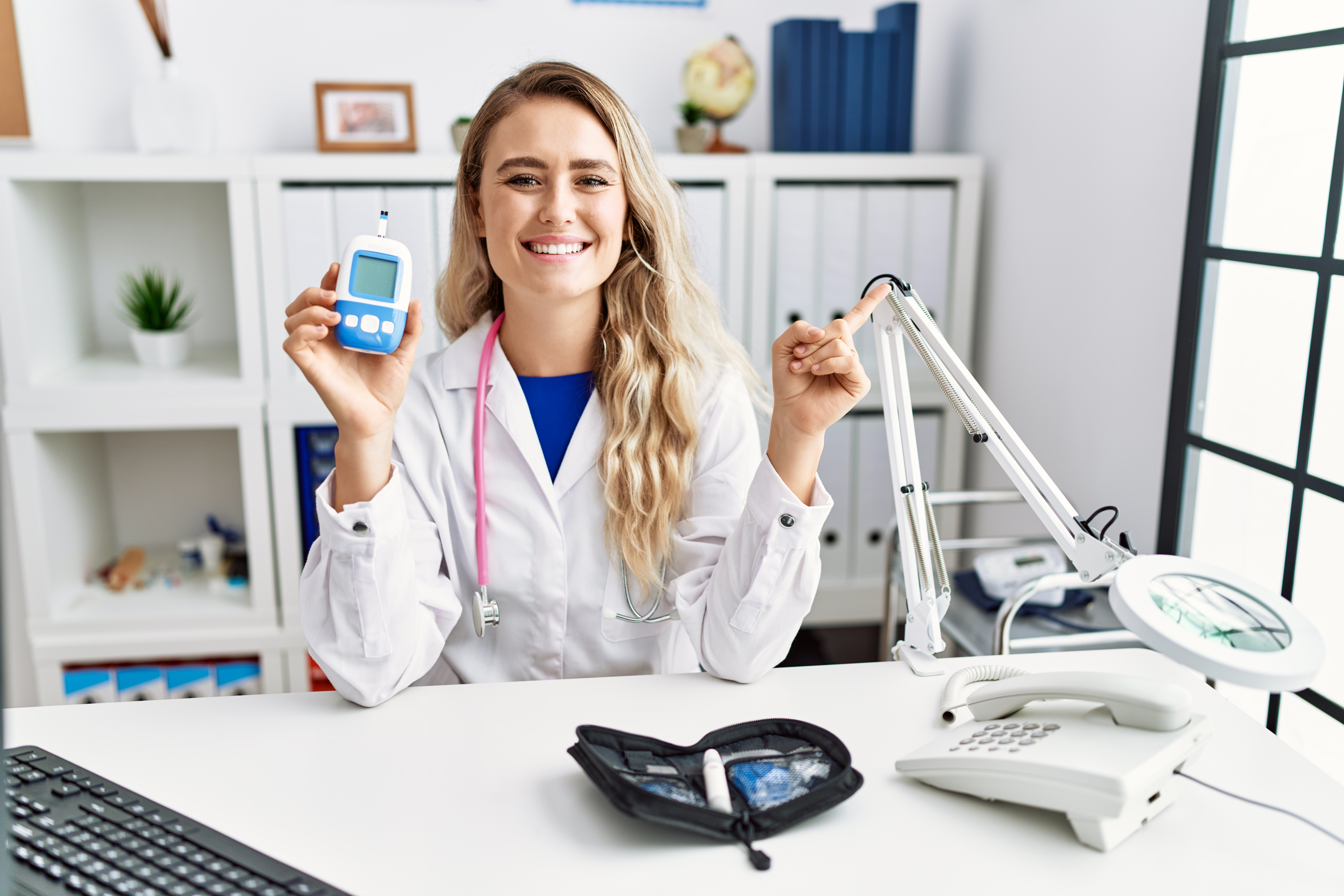
The blood glucose monitoring devices market was once limited to finger-stick glucometers used a few times a day. Today, it has evolved into an ecosystem of continuous sensors, mobile applications, and data-driven health insights. This ‘hospital-centric’ segment is now one of the most innovation-driven corners of the global medical devices industry.
This shift is not accidental. It is being driven by the global rise in diabetes and pre-diabetes, changing patient behavior, and a growing expectation that healthcare tools should be as seamless and intelligent as everyday consumer electronics. According to the International Diabetes Federation (IDF) Diabetes Atlas (2025), 1 out of 9 adults (20-79 years) is living with diabetes.
Today, the BGM devices market is not defined only by hardware sales. Companies are competing on software capabilities and user experience, too. As a result, these devices are being positioned as platforms rather than standalone products, opening new revenue models and strategic partnerships across digital health, insurance, and remote patient monitoring.
According to Grand View Research, the global industry for blood glucose monitoring devices stood at $15.53 billion in 2025 and is projected to grow at a CAGR of 8.8% from 2026 to 2033. The market will continue to grow across both developed and emerging economies as healthcare systems push for early diagnosis, self-monitoring, and better chronic disease management.
Why the Market is Expanding Beyond Traditional Glucometers
The way patients and providers approach diabetes monitoring has fundamentally changed. Consumers now expect continuous visibility rather than occasional readings, while healthcare providers seek actionable data instead of isolated numbers. Home-based blood sugar monitoring has gained momentum, supported by telehealth adoption and reimbursement models that encourage remote patient care. At the same time, awareness around metabolic health has expanded the addressable market beyond insulin-dependent patients to include people with pre-diabetes and lifestyle-related risks.
AI-based Glucose Monitoring Devices
One of the most commercially valuable trends in the industry is the integration of artificial intelligence and advanced analytics. Modern devices no longer stop at data collection. They analyze patterns, detect anomalies, and provide predictive alerts that help users avoid dangerous glucose fluctuations before they occur.
One prominent example is IBM and Roche’s co-creation of the Accu-Chek SmartGuide CGM solution, which integrates AI-based predictive analytics designed to forecast glucose levels up to 2 hours in advance. It also alerts users regarding potential low-sugar events before they occur. This system uses algorithms trained on thousands of real human glucose patterns to distinguish trends that would not be visible through raw data alone.
Non-invasive and Wearable Glucose Monitoring Technologies
Pain and inconvenience have long been barriers to consistent glucose monitoring. As a result, non-invasive and minimally invasive technologies are among the most sought-after innovations in the market today. Companies are exploring optical sensing, biosensors, and alternative measurement techniques that reduce or eliminate finger pricks.
A recent example of wearable glucose monitoring technologies gaining attention is Biolinq’s wearable biosensor, Shine, which received FDA De Novo classification in late 2025. The device is designed as a needle-free, forearm-worn patch that integrates real-time glucose monitoring with activity and sleep insights, and displays glucose status via a simple color-coded LED that works with or without a smartphone. Unlike traditional CGMs, Shine’s microsensor array sits much more shallowly under the skin, improving comfort and usability. Initially targeted toward adults with type 2 diabetes who do not depend on insulin, the device aims to support metabolic health by making continuous monitoring easier and more engaging.
Connectivity, Mobile Apps, and Digital Health Ecosystems
Connectivity has also become a baseline expectation for users. Modern remote glucose monitoring devices now integrate with smartphones and remote monitoring systems. This enables seamless data sharing between patients and healthcare professionals.
Abbott’s collaboration with French health tech company Withings in January 2026 is a good example. This partnership aims to integrate glucose data from Abbott’s Lingo over-the-counter continuous glucose monitors directly into the Withings app platform. It allows users to view their glucose trends alongside other health metrics in a single connected dashboard, making it easier to contextualize metabolic status within overall health behavior. The integration also works with ecosystem features such as Apple Health and Android’s Health Connect, enabling users to sync glucose data with broader digital health profiles and wellness apps.
This clearly illustrates how glucose monitoring devices are moving beyond standalone tools and becoming part of holistic digital health ecosystems that support preventive care and lifestyle tracking. These ecosystems increase switching costs and open up monetization avenues through personalized coaching, analytics services, and enterprise healthcare contracts.
Final Words
The blood glucose monitoring devices market is entering a phase where innovation is driven by clinical accuracy and how well devices fit into everyday life. Demand for continuous visibility and lower user burden has pushed the industry toward longer-wear CGMs, implantable sensors, and tightly connected digital health ecosystems. At the same time, advances in AI-based analytics and predictive algorithms are shifting glucose monitoring from a reactive process to a proactive management tool.