



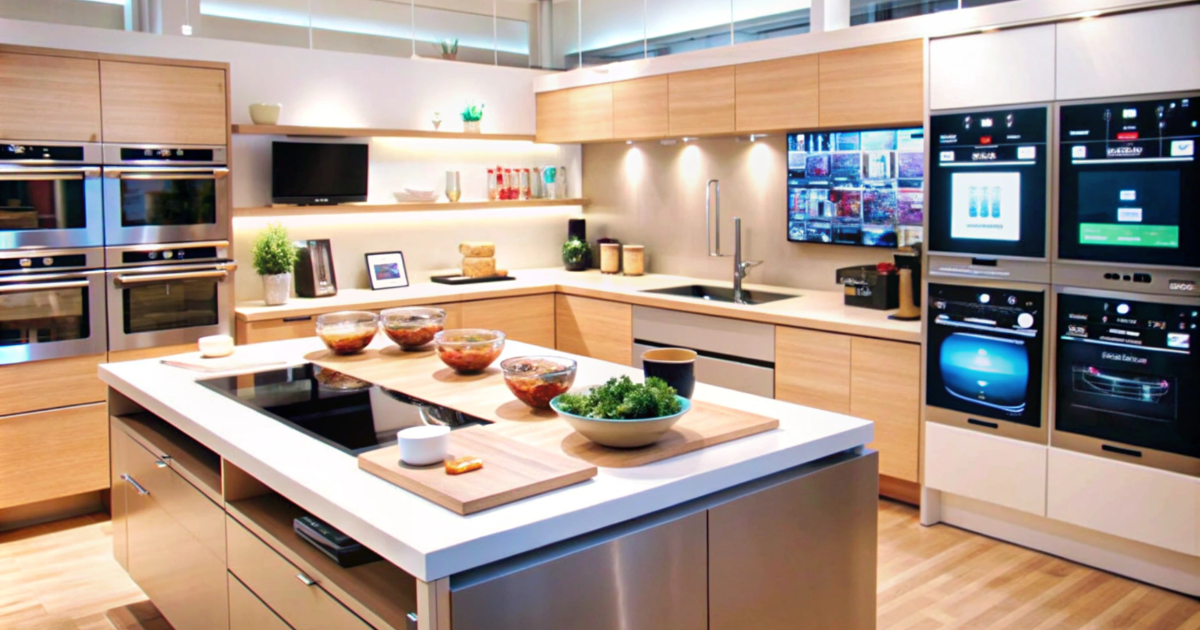
Key Highlights
- 99% of U.S. consumers use kitchen appliances weekly, while 53% use them multiple times daily.
- 70% of consumers primarily use appliances for cooking and meal preparation.
- Smart, healthy, and compact appliances are driving modern kitchen purchasing trends.
- Kitchen appliance purchases are highly planned, with only 9% made impulsively.
- Whirlpool leads brand awareness at 72%, while GE Appliances has the highest NPS at 46.
Today’s consumers view cooking as more than a daily task. Modern kitchen users increasingly seek smart appliance experiences that make cooking easier, more enjoyable, and more meaningful. The kitchen has evolved into a connected and convenience-driven space where consumers expect appliances to deliver efficiency, smart functionality, and long-term value.
U.S. consumers are no longer simply replacing outdated products. They are carefully evaluating features such as smart connectivity, health-focused capabilities, compact designs, and affordability before making a purchase decision.
According to Grand View Research’s U.S. kitchen appliance consumer insights, a major transformation of U.S. consumer expectations, buying habits, and brand preferences continues to evolve.
The Kitchen Has Become The Most Connected Space At Home
Kitchen appliances remain deeply integrated into everyday life across the U.S. Consumer insights data shows that 99% of U.S. consumers use kitchen appliances several times a week, while 53% use them multiple times a day. Few consumer product categories experience this level of consistent engagement.
Consumers now expect appliances to go beyond basic functionality. Smart coffee makers that remember preferences, refrigerators that send smartphone notifications, and ovens that can be controlled remotely are becoming increasingly common in modern households. Features such as smart connectivity, wellness-focused cooking, and compact design are no longer viewed as premium additions. They are becoming standard purchase expectations.
Smart, Healthy, and Compact Appliances Are Driving Market Demand
Smart kitchen appliances continue to gain momentum among U.S. consumers. Buyers increasingly prefer products compatible with voice assistants such as Alexa, Google Assistant, and Siri, allowing users to monitor and control appliances remotely through smartphone applications. Convenience, automation, and improved safety remain key drivers behind adoption.
Health-conscious cooking is also influencing appliance demand. Air fryers, juicers, and blenders are rapidly becoming essential kitchen products for consumers looking to prepare healthier meals at home with less oil and easier cleanup. The trend reflects growing interest in practical wellness solutions that simplify daily cooking routines.
Compact and multifunctional appliances are also gaining popularity, particularly among urban consumers and apartment dwellers. Portable blenders, compact coffee makers, and space-saving appliances are increasingly preferred as consumers seek greater utility without sacrificing countertop space.
Kitchen Appliances Are Embedded in Everyday Consumer Habits
Cooking and meal preparation continue to dominate appliance usage trends. Approximately 70% of consumers identify cooking and meal preparation as the primary purpose for using kitchen appliances. At the same time, consumers are increasingly gravitating toward portable appliances that offer flexibility for apartments, office spaces, and travel.
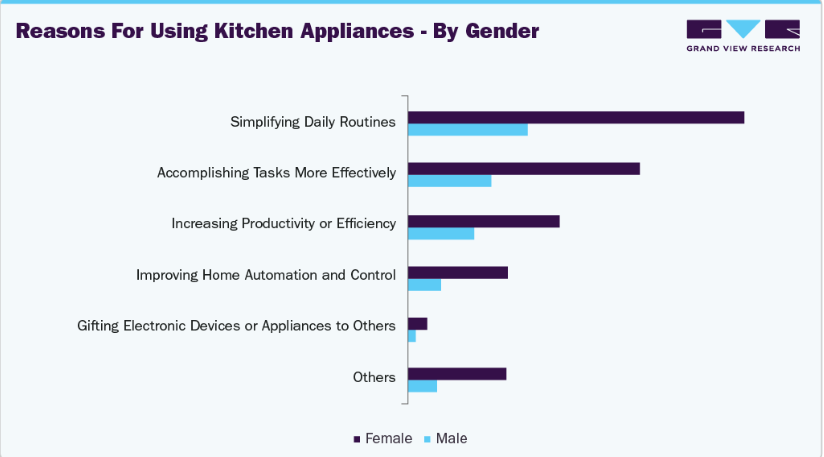
Across demographics, consumers share similar expectations from kitchen appliances. The most important benefits include simplifying routines, saving time, reducing effort, and minimizing cleanup. Appliances that consistently improve convenience are more likely to become part of consumers’ long-term daily habits.
One of the biggest challenges for brands is the growing gap between pricing and perceived value. Consumers are increasingly unwilling to pay premium prices for smart features that do not meaningfully improve their cooking experience.
What Influences Kitchen Appliance Purchases in the U.S?
Kitchen appliances are viewed as long-term investments, and consumer buying behavior reflects careful planning. The strongest purchase triggers include replacing older appliances, upgrading to newer models, and affordability.
The data also highlights how deliberate the buying process has become:
- 6 in 10 kitchen appliance purchases are planned
- 42% of consumers say their purchases are always planned
- Only 9% of consumers make spontaneous purchases
This makes kitchen appliances one of the least impulse-driven consumer categories in the market. Brands that maintain strong visibility, positive reviews, and consistent value messaging are more likely to stay top-of-mind when consumers are finally ready to upgrade.
Preferred Kitchen Appliance Shopping Channels
Local appliance stores remain the preferred shopping destination for both Gen Z and Millennial consumers. Department stores with electronics sections continue to rank as another leading purchase channel.
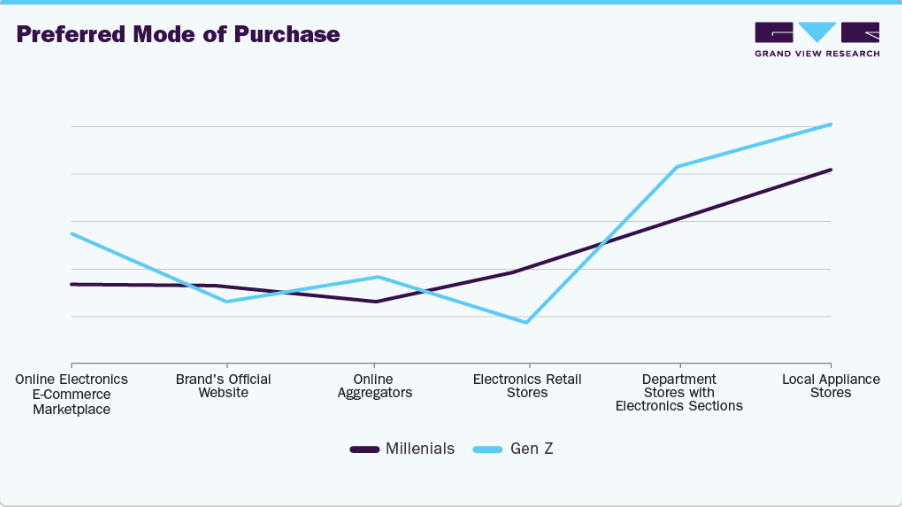
Consumers generally replace kitchen appliances every five years, with many purchases occurring during promotional periods or discount events. This extended replacement cycle makes long-term brand credibility increasingly important in the competitive kitchen appliance market.
Brand Awareness Remains Strong Among Industry Leaders
The U.S. kitchen appliance market continues to be led by several highly recognized brands, including: Whirlpool, GE Appliances, KitchenAid, LG, Samsung, Frigidaire, and others.
Among these companies, Whirlpool leads consumer awareness with 72% brand awareness, while GE Appliances records the highest Net Promoter Score (NPS) at 46. Samsung also continues to maintain strong market acceptance and consumer consideration.
Convenience and Long-Term Value Are Defining Consumer Decisions
Today’s U.S. kitchen appliance consumers are informed, research-driven, and focused on long-term value. They carefully compare features, pricing, and usability before making purchase decisions.
The latest consumer insights clearly show that buyers are prioritizing connected experiences, healthier cooking solutions, compact functionality, and reliable performance across the appliance ownership cycle.