




Key Highlights:
- Jewelry is now a tool for identity, not just adornment. Nearly 40% of U.S. consumers wear jewelry daily as a form of self-expression.
- Purchases are planned and research-driven. More than half of buyers research fit, comfort, and style before committing to a buy.
- Personalization is a core differentiator. Engravings, birthstones, and made-to-order designs are among the top options consumers actively seek out.
- Ethics and sustainability directly influence buying decisions. Lab-grown diamonds win on lower environmental impact, transparent sourcing, and more accessible price points.
- Emotional storytelling and a strong digital experience build brand trust. Younger buyers favor brand websites, virtual try-ons, and story-led campaigns over generic product ads.
Jewelry has never been just about metal or gemstones. It reflects identity, emotion, and social meaning. Today, U.S. consumers are moving beyond traditional perceptions of jewelry as mere adornment. They are actively choosing pieces that align with their personal values, individual style, and life experiences.
This shift is both emotional and practical, subtly redefining the preferences of U.S. jewelry consumers. For brands, understanding these evolving expectations is no longer optional; it is essential for staying relevant.
From Tradition to Self-Expression: The Shift in U.S. Jewelry Buying Behavior
Historically, jewelry has been tied to tradition, such as engagement rings, heirlooms, and status symbols, dominating purchase motivations. While these occasions still matter, modern consumers are reshaping the narrative.
Today’s U.S. buyers, particularly younger generations, view jewelry as:
- A form of self-expression
- A reflection of personal identity
- A symbol of confidence and individuality
Jewelry is no longer limited to gifting or long-term investment. Instead, it plays an active role in everyday styling and personal storytelling. Insights powered by Grand View Research highlight how consumer preferences are increasingly shaped by emotional value and lifestyle alignment.
Emotional Drivers Behind Jewelry Purchases
At the core of modern jewelry consumption lies identity affirmation. Consumers choose pieces that enhance how they feel and how they want to be perceived.
Whether it’s elegance, boldness, or uniqueness, emotional value plays a defining role in purchase decisions.
At the same time, jewelry is no longer reserved for special occasions. A significant share of consumers now wear jewelry daily, integrating it into their everyday lives. In fact, nearly 40% of U.S. consumers use jewelry on a daily basis, highlighting its shift toward routine expression.
However, emotional appeal alone is not enough. Consumers are increasingly evaluating:
- Whether the design feels unique or generic
- If the price aligns with perceived craftsmanship
- The balance between quality and value for money
Key Purchase Drivers Include:
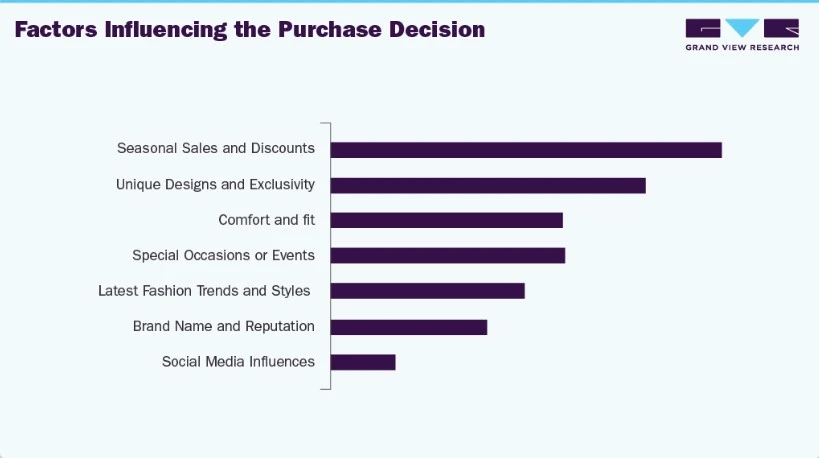
How U.S. Consumers Buy Jewelry: Planned, Not Impulsive
Unlike many other retail categories, jewelry purchases in the U.S. are largely intentional and research-driven rather than impulsive. Consumers typically invest time in evaluating key aspects before making a decision, reflecting a more informed and thoughtful buying approach. This includes careful consideration of:
- Fit and comfort
- Style compatibility
- Overall design appeal
Such evaluation highlights a shift toward mindful consumption, where buyers prioritize both emotional satisfaction and functional value.
Digital Influence on Buying Jewelry
Digital channels play a significant role in shaping modern jewelry purchasing journeys. Younger consumers, particularly Gen Z and Millennials, increasingly depend on online platforms for discovery and decision-making. Their preferred sources include:
- Brand websites
- Online fashion platforms
- Digital product showcases
While social media is effective in building initial awareness, it does not directly translate into conversions. Consumers are more likely to complete a purchase when the product aligns with their personal values, identity, and expectations of authenticity.
Even within this planned approach, seasonality continues to influence buying decisions. Key life moments and occasions often serve as final triggers, especially when supported by emotionally relevant messaging rather than purely price-driven promotions. These occasions include:
- Holidays
- Anniversaries
- Personal milestones
This combination of intentional research and emotional timing defines how modern U.S. consumers approach jewelry purchases today.
The Rise of Personalization in Jewelry
Personalization is no longer a niche offering. It has become a key expectation. Consumers are actively seeking ways to make their jewelry feel unique and meaningful.
Popular Personalization Options:
- Engravings and initials
- Birthstones and symbolic elements
- Custom-designed or made-to-order pieces
This trend reflects a broader shift toward ownership of design and emotional connection, where consumers want products that feel exclusively theirs.
Where Jewelry Brands Succeed
Leading brands in the U.S. jewelry market differentiate themselves through emotional storytelling and brand experience. Premium names like Tiffany & Co. and Cartier go beyond product features. They build narratives around:
- Identity
- Aspirations
- Timeless moments
From iconic packaging to heritage-driven storytelling, their strength lies in making each purchase feel personal and memorable.
Sustainability and Ethical Sourcing: A Growing Priority
Modern jewelry buyers are also becoming more conscious of ethical and environmental factors. This is particularly evident in categories like diamonds, where alternatives such as lab-grown stones are gaining traction.
Why Consumers Are Choosing Ethical Alternatives:
- Reduced environmental impact
- Greater supply chain transparency
- More accessible pricing
Transparency, when communicated clearly, builds trust and strengthens brand credibility.
Strategic Insights for Jewelry Brands
1. Shift Messaging Toward Identity and Storytelling
Consumers connect more with narratives than product features. Campaigns should focus on personal journeys and real-life moments rather than purely visual appeal.
2. Build Authentic Digital Experiences
With younger audiences relying on digital discovery, brands must create: Interactive product journeys, virtual try-on tools, and content-rich storytelling platforms. The goal is to make online experiences feel personal, guided, and engaging.
3. Simplify Personalization
Customization should empower consumers, not overwhelm them. Brands need to strike the right balance between creative flexibility and ease of selection
What Lies Ahead for the Jewelry Industry
The future of jewelry lies at the intersection of emotion, identity, and purpose. Consumers will increasingly gravitate toward brands that:
- Reflect their personal values
- Offer meaningful customization
- Demonstrate transparency and sustainability
Jewelry will continue to evolve from an occasional luxury into an everyday expression of identity.
It’s Not Just Jewelry, It’s a Story
The modern U.S. jewelry consumers are no longer driven by aesthetics alone. Consumers today are looking for pieces that reflect their identity, values, and personal stories, making emotional connection just as important as design or price. While brands like Tiffany & Co. and Cartier succeed through storytelling and experience, many still need to bridge the gap in personalization and authenticity.
At the same time, rising awareness around sustainability and ethical sourcing is reshaping expectations, with consumers favoring transparency and meaningful value. As jewelry becomes an everyday expression rather than an occasional purchase, brands that listen closely to consumer insights and translate them into relevant, personalized experiences will stand out. Ultimately, success in this evolving market will depend on how well brands move beyond selling products to creating stories that truly resonate. Let’s take a closer look at what consumers are really telling us beneath the surface.