




Global supply chain unpredictability and raw material volatility present continuous challenges to enterprise profitability. With unexpected market disruptions creating recurring financial friction, modern procurement teams are moving away from static spreadsheets and informal supplier quotes. To protect operating margins, enterprise leadership is turning to commodity price intelligence, the systematic aggregation, analysis, and forecasting of real-time raw-material market data. Advanced platforms like Grand View Signal synthesize spot rates, benchmark indexes, freight movements, and macroeconomic indicators into clear executive insights, helping organizations transition smoothly from reactive buying to strategic cost control.
At its core, commodity price intelligence offers an independent, transparent benchmark of true market value. Rather than navigating complex vendor negotiations with limited visibility, enterprise teams establish a clear data baseline. This transparent operational framework provides four critical strategic baselines: verifying real-time fair market value, clarifying fundamental supply-and-demand drivers, projecting pricing trajectories over 3- to 12-month horizons, and evaluating systemic market risks before they materialize as adverse balance sheet impacts.
Implementing a dedicated commodity price intelligence solution delivers three distinct strategic benefits for enterprise procurement:
- Optimized Purchasing Timing: Early visibility into cyclical market floors and impending price surges enables procurement teams to structure forward contracts strategically and hedge effectively against broader inflationary pressures.
- Standardized Vendor Negotiations: Detailed cost-breakdown analytics equip category managers to isolate underlying shifts in raw materials, ensuring that supplier price adjustments accurately reflect empirical market realities.
- Margin and COGS Safeguarding: Integrating predictive pricing feeds directly into financial planning enables accurate Cost of Goods Sold forecasting and dynamic alignment of commercial pricing.
Grand View Signal bridges the procurement data gap by leveraging an extensive repository of primary industry research alongside a structured analytical methodology. The platform translates complex global market dynamics into a streamlined three-stage operational workflow:
- Average Selling Price (ASP) Unbundling: Solves opaque pricing challenges by breaking down complex supplier quotes into granular cost components, providing procurement leaders with unbiased indicators of baseline market value.
- Multi-Driver Market Analysis: Contextualizes real-time price movements alongside multi-year datasets, policy changes, geopolitical shifts, weather patterns, and freight updates to explain the exact drivers behind cost shifts.
- Predictive Risk Modeling: Combines statistical forecasting models with regional volatility radars to project pricing trajectories, empowering leadership to quantify exposure and proactively time market entry points.
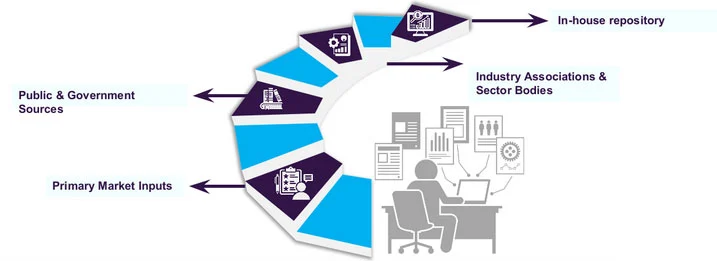
The platform delivers real-time data feeds across essential industrial sectors, including energy, base and precious metals, specialty chemicals, plastics, rubber, and freight logistics. Centralized visualization dashboards, predictive quantitative models, multi-geography comparisons, and automated executive alerts ensure key strategic insights remain easily accessible across every tier of the business.
This shared visibility creates broad cross-functional value across the organization. CPOs use predictive feeds to structure index-linked commercial agreements and refine spot purchasing decisions. Supply chain and operations executives rely on real-time market metrics to anticipate upstream production risks, avoid inventory bottlenecks, and optimize strategic buffer stocks. Meanwhile, executive leadership, CFOs, and commercial strategy teams draw on dynamic sensitivity models to sharpen the precision of annual budgeting, recalibrate client-facing pricing schedules, and defend net operating margins.
When selecting a SaaS-based commodity price intelligence platform, decision-makers should prioritize broad category coverage, transparent multi-factor forecasting, and rich contextual analyst commentary. Operating in modern supply chain environments requires organizations to move beyond static, backward-looking models. By replacing guesswork with empirical clarity, enterprise procurement teams can optimize purchasing performance by 20% to 30% while transforming raw material volatility into a durable commercial edge.