



Key Highlights:
- 90% of U.S. consumers use eyewear at least once a week, and 68% wear it daily, making it a true everyday essential rather than an occasional corrective tool.
- Around 7 out of 10 consumers plan their eyewear purchases in advance, comparing brands, assessing pricing, and waiting for the right deal before committing.
- Comfort is the foundation of every purchase decision. Fit, weight, and all-day wearability must be met first before style or branding can influence a buyer’s final choice.
- High brand awareness exists across names like Ray-Ban, Gucci, and Oakley, but recognition alone no longer guarantees preference. Consumers struggle to differentiate brands beyond price and visual appeal.
- Value is not about the lowest price point. Consumers are willing to spend when a product clearly justifies its cost through durability, comfort, and long-term reliability.
As eyewear becomes a daily essential, U.S. consumers are increasingly prioritizing comfort, clear vision, and pricing that feels fair. It is important for brands to understand emerging trends, replacement habits, and shifting loyalty dynamics.
In the U.S., eyewear has gradually moved beyond being just a corrective purchase to becoming an everyday necessity. For many U.S. eyewear consumers, glasses are no longer used occasionally for medical reasons. They are worn regularly, styled with intention, and assessed with the same attention as apparel or personal technology.
This shift is prompting brands and retailers to rethink how they define value, build trust, and maintain relevance in a category that is both functional and highly personal, especially when targeting segments like baby boomers and fashion-conscious younger consumers.
Insights from the Voice of Consumer, powered by Grand View Research, indicate that although eyewear is used regularly and has become a habit, purchasing decisions are still careful, well thought out, and strongly shaped by comfort, confidence, and perceived value.
Eyewear in the U.S. Has Moved Beyond Occasional Use
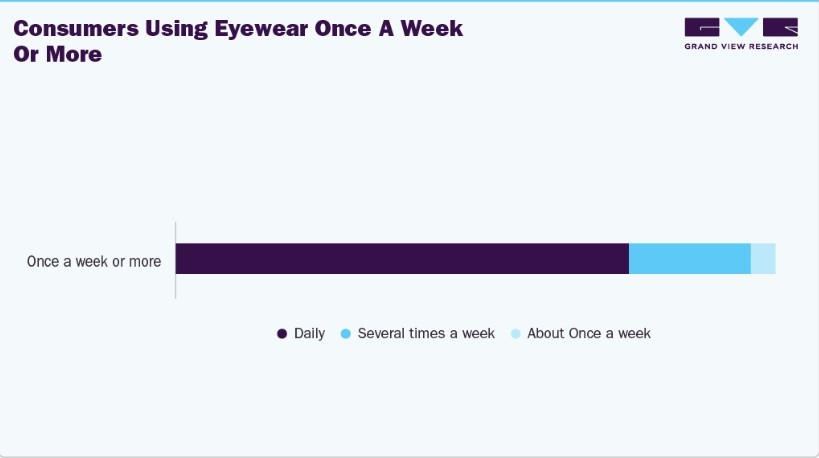
Most U.S. consumers now rely on eyewear across multiple moments in their day, including work, commuting, screen exposure, and social interactions. Data shows that 90% of consumers use eyewear at least once a week, with 68% wearing it daily. This level of usage naturally raises expectations. Consumers expect eyewear to deliver consistent performance throughout the day without causing discomfort or interruption.
However, frequent use does not translate into frequent replacement. Many consumers continue using their eyewear until there is a noticeable decline in performance, a change in prescription, or reduced comfort. This creates a clear disconnect between how often eyewear is used and how often it is replaced, a dynamic brands need to account for.
From Vision Aid to Confidence Enhancer
Eyewear is becoming closely linked to how consumers see themselves. The evaluation is no longer limited to visual clarity. Consumers also consider how their frames influence their professional image, personal style, and social presence.
This emotional connection helps explain the continued importance of brand reputation and familiar design language. Established brands benefit from long-standing trust, while emerging players are gaining ground by aligning eyewear with lifestyle, identity, and convenience. At the same time, sustainability is becoming more visible, with brands incorporating materials such as bio-acetates and recycled plastics.
Comfort Is Foundational. Style Drives Choice
Comfort remains the most essential requirement. Factors such as fit, weight, nose bridge support, and all-day wearability heavily influence satisfaction. If comfort is compromised, even strong design or branding cannot offset the experience.
Once comfort expectations are met, style becomes the key differentiator. Consumers prefer frames that feel modern yet not overly trend-driven. Timeless designs often take precedence, particularly among buyers who intend to use their eyewear for several years.
Purchases Are Deliberate, Not Impulsive
Eyewear buying decisions in the U.S. are typically planned and research-driven. Around 7 out of 10 consumers report planning their purchases in advance. They compare brands, assess pricing, explore offers, and often wait for the right deal before making a decision.
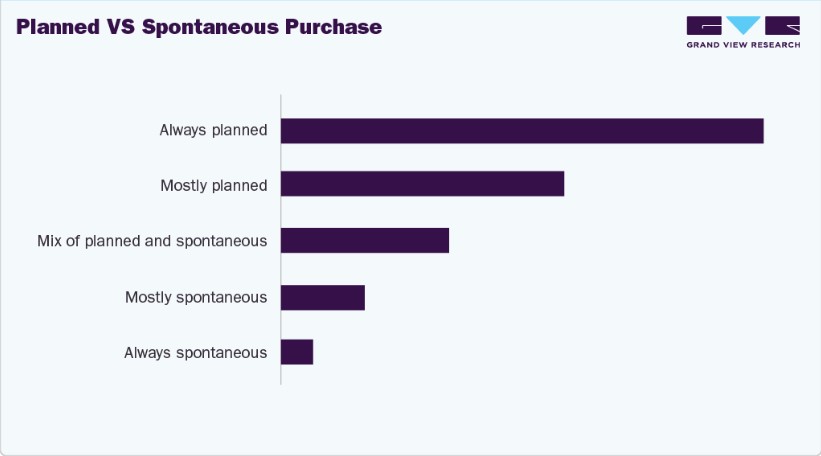
This behavior indicates that brands do not win at the final point of sale. Instead, influence is built earlier through clarity, reassurance, and transparent communication. Consumers want confidence that their choice will remain relevant and reliable over time.
Price Sensitivity Remains Strong in the U.S.
Even though eyewear is used daily, consumers remain highly conscious of pricing. They carefully weigh cost against durability, comfort, and brand reliability.
Value is not defined by the lowest price point. It is defined by the assurance that the product will last, remain comfortable, and justify its cost over time. While discounts can trigger purchases, they cannot compensate for a lack of trust in the product.
Digital First, Physical Confirmation
The eyewear purchase journey often begins online, where consumers explore options, compare prices, and evaluate brands. However, many still seek in-store validation for fit, comfort, and final decision-making.
Brands that ensure a seamless connection between digital discovery and physical experience are better positioned to reduce friction and improve conversions. In this category, the overall experience carries as much weight as the product itself.
Awareness Exists. Differentiation Does Not
The U.S. eyewear space has high brand awareness, largely dominated by established names such as Ray-Ban, Gucci, Oakley, and Prada. However, recognition alone is no longer enough to secure preference or loyalty.
Consumers often struggle to distinguish between brands beyond pricing or visual appeal. This opens the door for brands that clearly communicate their purpose, target audience, and how their products fit into specific lifestyles or needs.
What Brands and Retailers Should Focus On Next
- Simplify product messaging around comfort, durability, and daily usability
- Align pricing strategies with long-term value rather than short-term promotions
- Build trust through clear, helpful guidance instead of overly technical claims
- Create buying experiences that support research, comparison, and confidence
- Position eyewear as an ongoing lifestyle essential rather than a one-time purchase
Signals for the Road Ahead
The U.S. eyewear category is not experiencing a drop in demand. Instead, it is seeing a rise in expectations. Consumers are seeking fewer compromises, clearer value propositions, and products that integrate seamlessly into everyday life.
For brands and retailers, this shift calls for a move away from short-term sales tactics toward sustained relevance. Comfort, clarity, and confidence are becoming more important than constant innovation.
Consumers are sending a clear message. They want eyewear that fits naturally into their lives, purchases that feel well-justified, and brands that respect the thoughtful nature of their decisions.